The Isu tree Plant Advantage: Maximizing Home and Office Appeal and Wellness
1
The Isu tree is a adaptable plant recognized for its resilience against pests and illnesses.
2
It provides continuous appeal throughout the year due to its abundant leaves and unique growth habit.
3
Isu trees are an excellent choice for creating landscape seclusion and preventing soil degradation.
Why Isu tree is an Excellent Landscaping Option
Consistent Aesthetic Appeal Throughout the Year
A key attribute of the Isu tree is its capacity to offer continuous beauty to any outdoor space. Its evergreen foliage retains its color and texture across all seasons, ensuring your garden never appears barren or uninviting. The plant forms thick groupings, providing a rich backdrop for other seasonal flora.
Resistance to Pests and Diseases
The Isu tree offers the added benefit of being naturally resilient to numerous common pests and ailments. This makes it an ideal selection for gardeners aiming to reduce their reliance on chemical treatments. Its hardiness not only aids in maintaining a vibrant garden but also fosters a healthier environment by lessening the need for pesticides.
Isu tree's Contribution to Environmental Sustainability
Erosion Control for Soil
The Isu tree is particularly effective at preventing soil erosion. Its extensive root system helps stabilize the ground, making it a valuable plant for sloped areas and regions prone to erosion. This characteristic is especially beneficial for establishing sustainable landscapes in challenging terrains.
Air Quality Improvement
Through the process of photosynthesis, the Isu tree contributes to air purification by absorbing carbon dioxide and releasing oxygen. Its evergreen nature means it continues this beneficial process year-round, enhancing the air quality in your garden.
Can Isu tree Boost Biodiversity in My Garden?
Wildlife Sanctuary
By integrating the Isu tree into your landscape, you are also creating a habitat for various forms of wildlife. Birds, small mammals, and beneficial insects are drawn to the plant, seeking refuge and sustenance. This helps foster biodiversity, establishing a balanced ecosystem within your garden.
Support for Pollinators
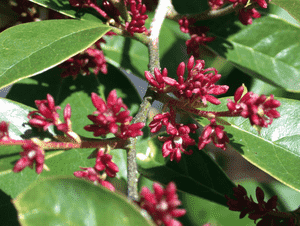
The blossoms of the Isu tree attract a variety of pollinators, including bees and butterflies. These pollinators play a vital role in the reproduction of many plants. By planting the Isu tree, you contribute to the well-being of local pollinator populations, which in turn supports the broader ecosystem.
Practical Applications of Isu tree in Landscape Design
Natural Privacy Barriers and Hedges
The Isu tree is an excellent option for creating natural privacy screens and hedges. Its dense leaves can be shaped and maintained to form effective barriers that enhance your outdoor privacy. Unlike artificial screens, natural hedges provide the added benefits of air purification and aesthetic appeal.
Adaptable Decorative Feature
Beyond its functional uses, the Isu tree serves as a versatile decorative element in landscaping. It can be pruned into various forms and sizes, allowing for creativity in garden design. Its adaptability makes it suitable for diverse themes, from traditional to contemporary gardens.
Caring for Your Isu tree
Planting and Soil Needs
The Isu tree thrives in well-drained, fertile soil. When planting, it's important to prepare the soil by incorporating organic matter to improve its nutrient content and drainage properties. Plant the Isu tree at the correct depth, ensuring the root ball is adequately covered but not buried too deeply.
Watering and Upkeep
Consistent watering is essential, especially during the first year after planting. Once established, the Isu tree is relatively drought-tolerant and requires less frequent irrigation. Minimal pruning is needed to maintain its shape and health, making it a low-maintenance addition to your garden.



