The Sticky monkey-flower Plant Advantage: Maximizing Home and Office Appeal and Wellness
1
Diplacus aurantiacus flourishes in diverse soil conditions, offering flexibility for garden placement.
2
This botanical specimen attracts hummingbirds, enhancing the ecological variety of your outdoor space.
3
Diplacus aurantiacus withstands dry spells, presenting an environmentally conscious choice for garden design.
What Conditions Does Sticky Monkey-flower Need to Grow?
Soil Preferences
Sticky monkey-flower flourishes in various soil types, including sandy, loamy, and clay. Its adaptability makes it a great option for diverse garden environments. However, well-draining soils are especially advantageous, ensuring optimal growth and abundant flowers.
Light and Water Requirements
Sticky monkey-flower prefers full sun to partial shade, making it suitable for different garden locations. Little watering is needed, particularly once established. Its drought resistance reduces water use, aligning it with sustainable gardening practices.
How Does Sticky Monkey-flower Support Ecosystems?
Attracting Pollinators
A key advantage of Sticky monkey-flower is its capacity to draw in pollinators like hummingbirds and butterflies. The bright orange blossoms are not only visually appealing but also serve as a rich nectar source, supporting local wildlife.
Providing Habitat
Sticky monkey-flower can also offer shelter for small insects and birds. This encourages a flourishing mini-ecosystem in your garden, contributing to increased biodiversity.
What Are the Garden Design Benefits of Sticky Monkey-flower?
Aesthetic Appeal
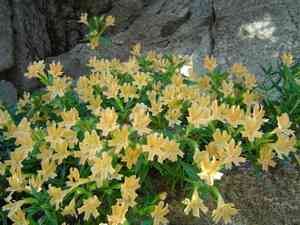
The vivid orange flowers of Sticky monkey-flower add a splash of color to any garden setting. Whether utilized as a border plant, in a rock garden, or as a focal point, its visual value is undeniable.
Eco-Friendly Landscaping
Given its drought tolerance, Sticky monkey-flower is an excellent choice for environmentally conscious landscaping. Its low water demands mean less resource consumption, making your garden more sustainable and ecologically responsible.
Are There Conservation Advantages to Cultivating Sticky Monkey-flower?
Supporting Native Species
Sticky monkey-flower is indigenous to certain areas, and planting it helps sustain local flora. This is vital for maintaining ecological balance and promoting plant diversity.
Erosion Control
The robust root system of Sticky monkey-flower aids in preventing soil erosion. Planting it on slopes or areas prone to erosion will keep the soil stable, contributing to land preservation efforts.
What Makes Sticky Monkey-flower a Low-Maintenance Plant?
Minimal Pruning
Sticky monkey-flower requires little pruning, making it an ideal option for gardeners who prefer easy-care plants. Occasional trimming to remove dead or damaged branches is usually sufficient.
Pest Resistance
Sticky monkey-flower is relatively resistant to pests and diseases. This lessens the need for chemical treatments, fostering a healthier garden environment.
How Can Sticky Monkey-flower Be Integrated into Garden Design?
Companion Planting
Sticky monkey-flower pairs well with various other plants, such as drought-tolerant perennials and other native species. This makes it a versatile element in mixed planting schemes.
Seasonal Interest
With its extended blooming period, Sticky monkey-flower offers prolonged seasonal appeal. It ensures your garden remains vibrant and lively from spring through late summer.



