The Grecian foxglove Plant Advantage: Maximizing Home and Office Appeal and Wellness
1
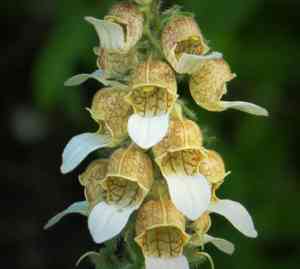
Digitalis lanata enhances garden aesthetics with its impressive, towering floral stalks.
2
The constituents present in Digitalis lanata find application in diverse sectors, showcasing its adaptability.
3
Digitalis lanata flourishes in numerous soil conditions, making it a resilient inclusion for your plant assortment.
What Makes Grecian foxglove Special?
Aesthetic Appeal
Grecian foxglove is celebrated for its visually pleasing flower spikes that can elevate the beauty of any garden. Its tall, graceful stems bear numerous bell-shaped blossoms, enriching the garden's visual diversity. These flowers come in hues from white to light brown, complementing various other plants in your garden.
Adaptability
Grecian foxglove readily adapts to diverse soil types, making it an excellent choice for gardeners. Whether your soil is clay, loamy, or sandy, this resilient plant can flourish with minimal care. Its capacity to adjust to various environmental conditions also allows it to be grown in different climates, increasing its appeal to gardeners globally.
How Does Grecian foxglove Benefit Different Industries?
Home Gardening
A key advantage of Grecian foxglove is its ease of cultivation in home gardens. It requires less upkeep once established, making it a favorite among both new and experienced gardeners. Its tall stature and lovely blooms can serve as an attractive focal point in any garden.
Commercial Uses
Grecian foxglove is commercially utilized in various sectors due to its unique compounds. These compounds are often extracted for applications such as dyes and natural products, making the plant valuable beyond its decorative use. While we won't discuss medical uses, it's noteworthy that the plant's compounds have a wide range of applications, including in eco-friendly products.
Can Grecian foxglove Enhance Biodiversity in My Garden?
Supporting Pollinators
Grecian foxglove is an excellent plant for attracting pollinators like bees and butterflies. Its blooms are rich in nectar, providing a vital food source for these insects. By growing Grecian foxglove, you contribute to a healthier ecosystem by supporting the local pollinator population.
Companion Planting
Incorporating Grecian foxglove into your garden can also benefit other plants. It works well in companion planting schemes, where it can deter pests and improve growth conditions for nearby plants. Its ability to thrive in various soil types means it can share space with a diverse range of plants, further boosting your garden's biodiversity.
Is Grecian foxglove Low-Maintenance?
Watering and Soil Requirements
Grecian foxglove is relatively low-maintenance regarding watering and soil conditions. While it prefers well-draining soil, it can endure occasional droughts once established. Regular watering is essential during the initial planting phase, but over time, the plant becomes more self-sufficient.
Pest Resistance
Another significant benefit of Grecian foxglove is its resistance to many common garden pests. This resistance makes it an appealing option for gardeners seeking to maintain a beautiful garden with less effort and fewer chemical interventions. By planting Grecian foxglove, you can enjoy a healthier, more sustainable garden.



