The Bear's paw Plant Advantage: Maximizing Home and Office Appeal and Wellness
1
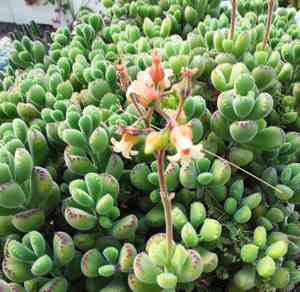
The bear's paw plant is recognized for its distinctive foliage, which looks like small bear paws.
2
This particular plant is ideal for cultivating indoors because it requires minimal upkeep.
3
Bear's paw plants can improve the air inside your home and introduce a bit of nature to any area.
What Makes Bear's paw Unique?
Distinctive Appearance
A key attractive trait of Bear's paw is its singular foliage, resembling small bear paws, complete with 'claws' at the tips. This charming feature makes it a favored option for both new and seasoned gardeners. The leaves are thick and fleshy, indicating its succulent nature, adapted to store water and flourish in arid environments.
Compact Size
Bear's paw is a small plant, reaching a manageable size ideal for indoor containers or limited garden areas. Its modest dimensions make it suitable for apartment living, office desks, and even windowsill gardens. Despite its small stature, it creates a significant visual impact, adding character and warmth to your indoor spaces.
Why is Bear's paw a Perfect Indoor Plant?
Low-Maintenance Needs
A primary reason Bear's paw is excellent for indoor cultivation is its minimal care requirements. It thrives in bright, indirect light but can also endure lower light levels, making it adaptable for various indoor settings. The plant needs little watering, as it is drought-tolerant and can go for extended periods without moisture. Excessive watering is one of the few conditions that can harm Bear's paw, so it's best to let the soil dry out between waterings.
Air-Purifying Qualities
Like many other succulents, Bear's paw possesses air-purifying properties that can help enhance indoor air quality. It absorbs toxins and releases oxygen, providing a fresher atmosphere within your home. This makes Bear's paw not just a decorative element but also a functional addition to your living or working space.
How to Care for Bear's paw?
Lighting and Temperature
Bear's paw prefers bright, indirect illumination, mimicking the filtered sunlight it would receive in its natural habitat. Direct sun can scorch its leaves, while insufficient light can cause it to become leggy. Optimal temperatures range from 65°F to 75°F (18°C to 24°C). It does not tolerate frost well, so it's best to keep it indoors during colder months.
Watering and Soil
Watering Bear's paw is simple: allow the soil to completely dry out between waterings. Use well-draining soil, such as a cactus or succulent mix, to prevent waterlogged roots. During the active growth period (spring and summer), you can water it every two weeks. In the dormant seasons (fall and winter), reduce watering to once a month or even less.
What Are the Benefits of Bear's paw in Your Home?
Stress Reduction
Plants like Bear's paw are known to lower stress levels by fostering a calming environment. The act of tending to plants can also be therapeutic, offering a sense of accomplishment and connection to nature. The visually appealing, quirky leaves of Bear's paw can bring a smile to your face and uplift your mood.
Aesthetic Appeal
Bear's paw's distinctive appearance makes it an attractive addition to any room. Its compact size and interesting leaf shape can complement various interior design styles, from minimalist to eclectic. Whether placed on a desk, shelf, or windowsill, Bear's paw adds a touch of greenery and personality to your space.
Can Bear's paw Thrive Outdoors?
Suitable Climatic Conditions
Bear's paw can flourish outdoors if planted in an appropriate climate, typically in USDA hardiness zones 9-11. It prefers dry, warm conditions and can be an excellent addition to rock gardens, succulent arrangements, or xeriscaping projects. Ensure it is planted in well-draining soil and receives partial to full sun.
Protection from Elements
While Bear's paw is resilient, it should be shielded from extreme weather conditions. Heavy rains can waterlog the soil, leading to root rot, while frost can damage the plant. If you live in an area with fluctuating weather, consider planting Bear's paw in containers that can be moved indoors during adverse conditions.
How to Propagate Bear's paw?
Methods of Propagation
Propagating Bear's paw is relatively easy and can be achieved through leaf cuttings or offsets. To propagate via leaf cuttings, gently twist off a healthy leaf and let it dry out for a few days until the cut end calluses over. Then, place it on top of well-draining soil and mist lightly until roots and new leaves develop. For offsets, gently remove the small plants growing at the base of the mother plant and replant them in their own pots.
Growth Tips
Newly propagated plants require a bit more attention than established ones. Keep them in a warm, bright area with indirect sunlight and water sparingly. Over time, these small plants will grow into robust Bear's paw specimens, continuing to add beauty and benefits to your home or garden.



