The Purple pampas grass Plant Advantage: Maximizing Home and Office Appeal and Wellness
1
Purple pampas grass, an ornamental variety, is recognized for its striking violet plumes.
2
It flourishes across various climates and demands little upkeep.
3
This grass draws in helpful insects and avian species, enriching your garden's natural balance.
Why Opt for Purple Pampas Grass in Your Garden?
Visual Allure
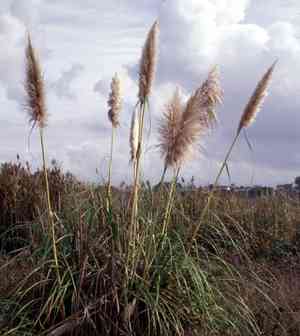
A prominent characteristic of Purple pampas grass is its stunning aesthetic appeal. Its delicate, purple-hued plumes introduce sophistication and charm to any garden space. These decorative grasses gracefully sway with the breeze, crafting an engaging and captivating garden experience. Their towering, bushy form makes them perfect for privacy screens or as central features in the landscape.
Minimal Upkeep Requirements
A significant advantage of Purple pampas grass is its low-maintenance nature. This plant readily adapts to diverse environmental conditions and needs little watering once established. It resists drought and flourishes in various soil types, making it an excellent option for busy gardeners or those new to the hobby. Annual trimming or cutting is usually enough to keep Purple pampas grass looking its best.
Environmental Advantages
Beyond its beauty, Purple pampas grass offers considerable ecological benefits. It provides a habitat for numerous beneficial insects, including pollinators like bees and butterflies. Furthermore, its dense foliage and seeds attract birds, fostering a lively and balanced ecosystem in your garden. This aspect makes Purple pampas grass an ideal choice for environmentally conscious gardeners aiming to boost biodiversity.
Erosion Prevention
Purple pampas grass is also highly effective at preventing soil erosion. Its extensive root system helps stabilize the ground, stopping erosion on inclines and embankments. This makes it a valuable plant for areas prone to soil displacement or degradation. By planting Purple pampas grass, you contribute to maintaining soil integrity while enhancing your landscape's beauty.
Landscaping Versatility
Purple pampas grass is incredibly adaptable and can be incorporated into various landscaping designs, from formal gardens to wild, naturalistic settings. Its vibrant plumes make excellent cut flowers for arrangements, bringing a touch of natural elegance to indoor spaces. Additionally, Purple pampas grass can be grown in containers, offering flexibility for patios, balconies, or urban gardens where ground space might be limited.
How to Successfully Grow Purple Pampas Grass
Optimal Growing Conditions
Purple pampas grass thrives in well-draining soil and full sunlight but can endure partial shade. While it adapts to different soil types, ensuring proper drainage is vital to prevent waterlogging, which can harm its growth. Slightly acidic to neutral pH levels are ideal for Purple pampas grass, though it is known to flourish across a broad pH range.
Planting and Propagation Methods
When planting Purple pampas grass, it's best to do so in early spring or late autumn when the weather is milder. Space the plants approximately 3 to 4 feet apart to allow for sufficient air circulation and development. Propagation is commonly achieved through seeds or division. If using seeds, scatter them over the soil surface and lightly cover them with a thin layer of soil. Water the area gently to encourage germination. For division, simply remove an established clump and separate the roots into smaller sections before replanting.
Watering and Fertilization Practices
Initially, Purple pampas grass will need consistent watering to establish a robust root system. Once established, it becomes drought-tolerant and only requires irrigation during extended dry periods. Avoid overwatering to prevent root rot. Fertilization is generally not necessary, but an annual application of a balanced, slow-release fertilizer in early spring can promote vigorous growth and vibrant plumes.
Pruning and Maintenance Routines
Pruning Purple pampas grass is simple and can be done once a year, ideally in late winter or early spring before new growth begins. Cut the plants back to about 12 inches above the ground to remove old and dead foliage, encouraging fresh growth. Regularly inspect your plants for any signs of pest infestations or diseases and address them promptly to maintain their health and vitality.
Common Questions About Purple Pampas Grass
Is Purple Pampas Grass Invasive?
Yes, in certain areas, Purple pampas grass can become invasive due to its rapid growth and self-seeding capabilities. It is crucial to check local guidelines and regulations before planting Purple pampas grass in your region. In managed landscapes, removing flower heads before they produce seeds can help control its spread.
Can Purple Pampas Grass Be Grown Indoors?
While Purple pampas grass is typically an outdoor plant, it can be cultivated indoors in large containers if provided with ample light and space. Choose a sunny spot near a window and ensure the pot has excellent drainage to prevent waterlogging. Regular pruning may be necessary to manage its size when grown indoors.
What Pests and Diseases Affect Purple Pampas Grass?
Purple pampas grass is relatively resistant to pests and diseases, making it a hardy choice for gardens. However, it can occasionally be affected by aphids, spider mites, or fungal infections. Consistent monitoring and appropriate treatments, such as insecticidal soap for pests or fungicides for diseases, can keep these issues under control.



