The Roughleaf dogwood Plant Advantage: Maximizing Home and Office Appeal and Wellness
1
Roughleaf dogwood draws in helpful pollinators such as bees and butterflies.
2
Roughleaf dogwood offers superb erosion prevention due to its robust root structure.
3
Roughleaf dogwood presents beautiful seasonal aesthetics, from springtime blooms to autumn fruits.
What Makes Roughleaf dogwood So Special?
Ecological Benefits
A primary benefit of Roughleaf dogwood is its positive impact on local ecosystems. It draws in various pollinators like bees, butterflies, and birds. These creatures aid in the reproduction of Roughleaf dogwood and contribute to the pollination of other nearby plants, boosting overall biodiversity. The plant offers a food source through its nectar-rich spring flowers and its berry-like drupes in autumn, making it a year-round asset for wildlife.
Erosion Control
Another notable advantage of Roughleaf dogwood is its capacity to manage soil erosion. Due to its robust root system, Roughleaf dogwood stabilizes the ground and prevents erosion, particularly on slopes and along riverbanks. This makes it an ideal choice for landscape designers and gardeners aiming to preserve soil integrity. The dense roots not only stabilize the soil but also enhance its quality by promoting aeration and the accumulation of organic matter.
Is Roughleaf dogwood Easy to Maintain?
Low Maintenance Requirements
Roughleaf dogwood is recognized for its resilience and minimal care needs. It adapts well to various soil types, from sandy to clay, and tolerates a range of moisture levels. Whether facing dry or slightly boggy conditions, Roughleaf dogwood can flourish, making it a dependable option for diverse environments. Occasional pruning to maintain its shape and remove dead branches is typically all that's needed to keep Roughleaf dogwood healthy and vibrant.
Pest and Disease Resistance
One reason Roughleaf dogwood is favored by gardeners is its natural immunity to many common pests and diseases. While no plant is completely invulnerable, Roughleaf dogwood encounters fewer problems than many other species, reducing the need for chemical treatments and interventions. This makes it a more sustainable option for environmentally conscious gardeners seeking to lessen their ecological footprint.
How Does Roughleaf dogwood Enhance Landscape Aesthetics?
Seasonal Visual Appeal
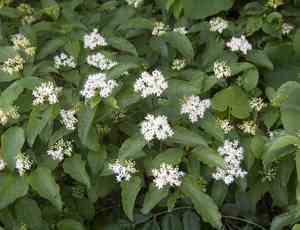
From spring through fall, Roughleaf dogwood offers striking visual appeal, making it an excellent ornamental plant. In spring, it produces clusters of white flowers that create a picturesque scene, attracting pollinators and adding elegance to any garden. By fall, the plant provides clusters of white berries, adding another layer of aesthetic value. Its leaves also turn a warm red hue in autumn, offering a colorful contrast that enriches any landscape design.
Versatile Uses in Landscaping
Roughleaf dogwood is incredibly adaptable in its landscape applications. It can be utilized as a standalone specimen or as part of a larger garden bed. Many landscape architects employ it as a natural barrier or hedge due to its dense growth habit. It can also be incorporated into woodland gardens, meadows, and naturalistic plantings, ensuring it fits seamlessly into various garden styles and themes.
What Are the Propagation Methods for Roughleaf dogwood?
Sowing Seeds
Propagating Roughleaf dogwood can be effectively achieved by sowing seeds. The seeds require a period of cold stratification to break dormancy, mimicking the natural winter conditions essential for germination. Planting them in a seed tray with a well-draining soil mix and keeping them in a cool, moist environment for several weeks will improve germination success.
Cuttings and Transplants
Another reliable method for propagating Roughleaf dogwood is through cuttings or transplants. Softwood cuttings taken in early summer can be rooted in pots with suitable growing media. Transplanting young plants during their dormant season, either in late fall or early spring, also yields excellent results. These methods ensure you can enjoy more of these beneficial plants in your garden with minimal effort.



