The Night-blooming jasmine Plant Advantage: Maximizing Home and Office Appeal and Wellness
1
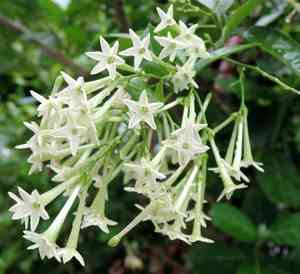
Cestrum nocturnum is celebrated for its enchanting nocturnal scent.
2
This botanical specimen contributes to the visual charm of both exterior and interior environments.
3
Cestrum nocturnum is fairly simple to care for and thrives in diverse weather conditions.
How Can Night-blooming jasmine Enhance Your Garden?
Aesthetic Appeal
A primary reason individuals select Night-blooming jasmine for their gardens is its visual charm. The plant's shiny green leaves and clusters of tubular, white-to-greenish blossoms can lend an elegant touch to any outdoor space. Its abundant foliage and periodic flowering periods create a scenic setting that can boost the visual appeal of both small plots and extensive landscapes.
Fragrance
The aroma of Night-blooming jasmine is undeniably one of its most prominent characteristics. Primarily blooming in the evening, this plant emits a sweet, intoxicating scent that can linger in your garden throughout the night. The fragrance not only enriches the outdoor experience but can also draw in pollinators, such as moths and bees, which are crucial for maintaining a thriving ecosystem.
What Makes Night-blooming jasmine Ideal for Home Decoration?
Adaptability to Indoor Spaces
One of the remarkable qualities of Night-blooming jasmine is its capacity to adapt to indoor environments. While typically cultivated outdoors, it can also flourish as a potted plant, making it a versatile option for home decor. With adequate light and proper care, Night-blooming jasmine can thrive indoors, adding natural beauty and a pleasant scent to your living area.
Low Maintenance
Night-blooming jasmine requires relatively little upkeep, demanding minimal effort to keep it healthy and vibrant. This makes it an excellent choice for busy homeowners or those new to plant care. With basic watering, occasional trimming, and ensuring sufficient sunlight, you can enjoy the benefits of this plant without needing to invest significant time or resources into its maintenance.
How to Care for Night-blooming jasmine?
Optimal Growing Conditions
To cultivate Night-blooming jasmine to its fullest potential, it's crucial to understand its ideal growing conditions. This plant prefers well-drained soil and can tolerate various soil types, from sandy to loamy. It thrives in both full sun and partial shade, making it adaptable to different garden environments. Watering should be moderate, ensuring the soil remains slightly moist but not waterlogged.
Pest and Disease Management
Another aspect of caring for Night-blooming jasmine involves managing pests and diseases. While generally robust, the plant can occasionally fall victim to aphids, spider mites, and whiteflies. Regular inspection and treatment with natural or organic pesticides can help keep these issues at bay. Additionally, it's vital to avoid overwatering, as it can lead to root rot and other fungal infections.
What Environmental Benefits Does Night-blooming jasmine Offer?
Pollinator Attraction
Attracting pollinators is a significant environmental advantage of Night-blooming jasmine. The plant's fragrant flowers are particularly appealing to nocturnal pollinators, such as moths. These creatures play a crucial role in pollinating other plants in your garden, thereby promoting biodiversity and a healthier ecosystem. By planting Night-blooming jasmine, you're contributing to the well-being of your local flora and fauna.
Air Quality Improvement
Plants are natural air purifiers, and Night-blooming jasmine is no exception. By incorporating this plant into your home or garden, you're helping to enhance the air quality in your surroundings. Night-blooming jasmine absorbs carbon dioxide and releases oxygen during photosynthesis, making the air fresher and more breathable. This quality is particularly beneficial for indoor spaces where air circulation may be limited.



