The Snow-in-summer Plant Advantage: Maximizing Home and Office Appeal and Wellness
1
Cerastium tomentosum serves as a superb ground cover, flourishing in soils with good drainage.
2
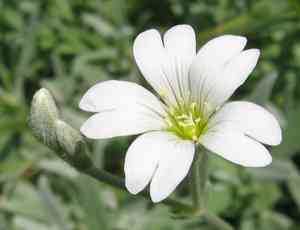
Cerastium tomentosum produces eye-catching white blossoms, enhancing the aesthetic of any garden space.
3
After it's rooted, Cerastium tomentosum needs little care and provides effective erosion prevention.
Why Select Snow-in-summer for Your Garden?
Adaptable Ground Cover
A key attractive feature of Snow-in-summer is its flexibility as a ground cover. Its dense, mat-forming growth habit makes it ideal for filling bare areas in the garden, reducing soil erosion, and inhibiting weed growth. It thrives in various soil types, provided they drain well, and performs exceptionally in rock gardens, borders, and even hanging baskets.
Effortless Beauty
Snow-in-summer is one of those rare plants that demand minimal care once established. This plant is drought-tolerant and can endure periods of neglect, making it perfect for those with limited time for garden maintenance. The plant's silvery leaves are not only appealing; they are also highly resilient, performing well in less-than-ideal conditions. Consistent watering during its initial growth phase is usually sufficient to establish this robust plant.
How to Plant and Care for Snow-in-summer?
Optimal Planting Conditions
For peak growth, Snow-in-summer should be situated in a spot that receives full sunlight. While it can tolerate partial shade, full sun will ensure the most abundant flowering. The soil must be well-drained, as waterlogging can be harmful to the plant's health. If your garden soil is heavy clay, consider incorporating sand or gravel to enhance drainage before planting.
Watering and Fertilization
Once mature, Snow-in-summer has low water needs, making it suitable for xeriscaping. However, during its initial growth stage, the plant should be watered regularly to aid root establishment. Fertilizing is typically unnecessary, but an occasional application of a balanced, slow-release fertilizer can promote more vigorous growth and blooms. Avoid over-fertilizing, as this can lead to increased foliage at the expense of flowers.
What Are the Visual and Ecological Advantages of Snow-in-summer?
Aesthetic Appeal
Snow-in-summer creates a striking visual impact, especially during its flowering period from late spring to early summer. The contrast between its silvery foliage and bright white blossoms can produce a charming look that complements other garden plants. When planted in masses, it forms a sea of white blooms, resembling a snow-covered landscape, which is the origin of its common name.
Ecological Contribution
Beyond its beauty, Snow-in-summer offers ecological benefits. Its dense foliage provides shelter and cover for beneficial insects, including pollinators like bees. Furthermore, as an evergreen perennial, it continues to offer ground cover and soil protection throughout the year, unlike annuals that die back in colder months. This perennial nature also suits garden designs focused on sustainability and reduced upkeep.
Can Snow-in-summer Be Utilized for Erosion Control?
Impact on Soil Stability
Snow-in-summer's capacity to form a dense mat of roots and foliage makes it excellent for erosion control. When planted on slopes or banks, it can prevent soil erosion by stabilizing the soil. This characteristic is particularly advantageous in gardens with sloped terrain or areas prone to heavy rainfall.
Complementary Plant Pairings
To maximize erosion control benefits, consider combining Snow-in-summer with other ground covers or deep-rooted perennials. Plants like creeping thyme or low-growing sedums can complement Snow-in-summer's growth habit while providing additional soil anchoring properties. Together, they create a robust, multi-layered ground cover that offers both beauty and utility.
What Are the Common Pests and Diseases Affecting Snow-in-summer?
Common Pests
Although Snow-in-summer is relatively pest-resistant, it is not entirely immune. Common garden pests such as aphids and spider mites can occasionally infest the plant. Regular inspection and, if needed, the use of insecticidal soap can help keep these pests under control.
Disease Management
The most frequent disease impacting Snow-in-summer is root rot, often caused by inadequate drainage. Ensuring well-drained soil and avoiding overwatering are the best preventive measures. In the event of fungal issues, such as powdery mildew, applying a fungicide and improving air circulation around the plant can help manage and alleviate the problem.
How to Propagate Snow-in-summer?
Propagation Methods
Snow-in-summer can be propagated via division, cuttings, or seeds. Division is often the simplest method and should be performed in early spring or early autumn. Simply dig up an established clump, separate it into smaller sections, and replant them in prepared soil.
Successful Propagation Tips
For optimal results, ensure that each divided section possesses a healthy amount of root mass. After planting, water the new divisions thoroughly to aid their establishment. If propagating from seeds, sow them in well-draining soil and keep them moist until germination occurs. Cuttings should be taken from healthy, non-flowering stems and rooted in a soil mix with good drainage.



