The Pearl millet Plant Advantage: Maximizing Home and Office Appeal and Wellness
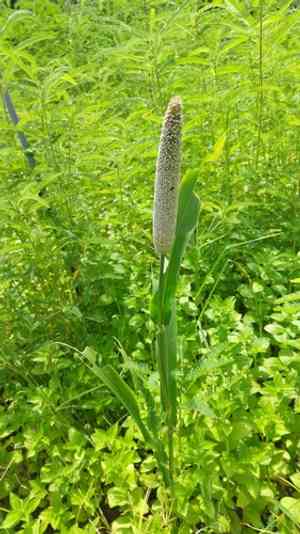
1
Pearl millet provides a good supply of vital minerals, including magnesium and phosphorus.
2
It lacks gluten, making it a great substitute for individuals sensitive to gluten.
3
Pearl millet aids sustainable farming due to its ability to withstand drought and its ease of cultivation.
What Are the Nutritional Advantages of Pearl Millet?
Abundant in Key Nutrients
Pearl millet is replete with vital nutrients that support overall well-being. This grain is particularly rich in magnesium, crucial for bone density, energy generation, and nerve function. Additionally, Pearl millet supplies a good quantity of phosphorus, a mineral essential for cellular repair and development.
High in Dietary Fiber
Dietary fiber is fundamental for digestive wellness, and Pearl millet serves as an excellent source. Incorporating Pearl millet into your meals can help maintain regular bowel movements, prevent constipation, and may even aid in managing blood sugar levels by slowing sugar absorption.
How Does Pearl Millet Benefit Specific Dietary Requirements?
Gluten-Free Alternative
For individuals with gluten sensitivities or celiac disease, finding a nutritious, gluten-free grain can be challenging. Pearl millet is naturally gluten-free and can be utilized in various recipes, offering a wholesome substitute for wheat, barley, and rye.
Supports Weight Management
Pearl millet can be advantageous for weight control due to its high fiber content. Fiber helps you feel satiated for a longer duration, decreasing the likelihood of overeating. It can be a valuable component of a balanced diet aimed at maintaining a healthy weight.
Why Is Pearl Millet Important for Sustainable Agriculture?
Drought-Resistant Crop
A significant benefit of Pearl millet is its capacity to flourish in arid and drought-prone regions. Its drought resilience makes it a dependable food source where other crops might fail, contributing to food security.
Low Input Requirements
Pearl millet demands fewer inputs like water and fertilizers compared to many other crops. This makes it an eco-friendly choice, as it can lessen the environmental footprint linked to agricultural practices. Farmers can cultivate Pearl millet with reduced costs and less ecological strain.
How Can You Integrate Pearl Millet into Your Diet?
Adaptable Culinary Options
Pearl millet is incredibly versatile and can be incorporated into a wide range of dishes. It can be cooked and used as a base for salads, added to soups, or even ground into flour for baking. Its mild taste allows it to pair well with both sweet and savory ingredients.
Simple Preparation Methods
Preparing Pearl millet is straightforward and requires no specialized cooking techniques. Simply rinse it under cold water, add it to boiling water or broth, and let it simmer until tender. This ease of preparation makes it a convenient grain to include in your daily meals.
What Are the Potential Economic Advantages of Cultivating Pearl Millet?
Economic Feasibility for Farmers
Growing Pearl millet can be economically beneficial for farmers, especially in drought-prone areas. Because it needs minimal input and can thrive in less fertile soils, farmers can save on resources and still achieve profitable yields.
Market Demand and Opportunities
The increasing demand for gluten-free and nutritious grains has created new market opportunities for Pearl millet. This grain's rising popularity means farmers can access a growing market, fostering economic stability and growth.



