The Water hickory Plant Advantage: Maximizing Home and Office Appeal and Wellness
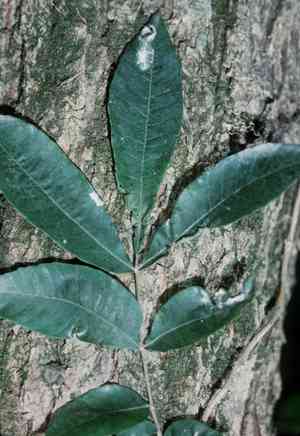
1
Water hickory is greatly appreciated for its capacity to flourish in marshy habitats.
2
The nuts yielded by Water hickory serve as a crucial food supply for wild animals.
3
Water hickory contributes significantly to maintaining soil integrity and enhancing water purity.
What Makes Water hickory Unique?
Adaptability to Wetland Environments
A notable characteristic of Water hickory is its remarkable capacity to flourish in marshy areas. This plant species is naturally suited to endure in locations that undergo periodic inundation, frequently dominating these landscapes. This adaptability not only guarantees the survival of Water hickory in challenging settings but also aids in preserving ecological equilibrium in these regions.
Contribution to Biodiversity
Another significant aspect of Water hickory is its role in fostering biodiversity. Wetlands are renowned for their rich variety of life, and Water hickory is instrumental in sustaining diverse organisms. The plant offers shelter and sustenance for a wide range of wildlife, including avian species, insects, and mammals. The nuts yielded by Water hickory are particularly vital, serving as a food source for creatures such as ducks, squirrels, and even some larger mammals.
The Ecological Benefits of Water hickory
Soil Stabilization
Water hickory plays a crucial part in securing soil in wetland zones. Its robust root network helps bind the earth, lessening erosion and preventing the loss of valuable topsoil. This function is especially important in areas prone to heavy precipitation and flooding, where soil degradation can be a significant issue. By stabilizing the soil, Water hickory helps maintain the integrity of wetland ecosystems and ensures the ongoing availability of nutrient-rich soil for various plant types.
Water Quality Improvement
Another important ecological advantage of Water hickory is its contribution to enhancing water quality. Wetlands function as natural purifiers, capturing pollutants and sediments before they reach larger bodies of water. The presence of Water hickory boosts this filtering capability, as the plant's root systems can absorb and immobilize certain contaminants. This process helps sustain the health of aquatic ecosystems, providing cleaner water for both wildlife and human consumption.
Economic and Cultural Significance
Uses in Traditional Practices
Water hickory has been employed in various traditional customs by indigenous communities. The nuts from Water hickory are frequently gathered and used in different culinary preparations. Furthermore, Water hickory wood, recognized for its strength and resilience, is sometimes utilized in crafting tools and constructing shelters. These traditional applications underscore the cultural importance of Water hickory and its role in the daily routines of those residing near its natural habitats.
Economic Benefits
Beyond its ecological roles, Water hickory also offers economic advantages. The nuts produced by Water hickory can be harvested and sold, providing an income stream for local communities. Additionally, the plant's role in maintaining wetland health supports industries like fishing and tourism, which depend on well-functioning ecosystems. By bolstering these sectors, Water hickory indirectly contributes to the economic prosperity of regions where it is common.
How Does Water hickory Support Wildlife?
Food Source
One of the primary ways Water hickory aids wildlife is by supplying a dependable food source. The nuts produced by Water hickory are rich in nutrients and attract a variety of animals, including birds, mammals, and insects. This abundance of sustenance helps support both resident and migratory species, ensuring they have the necessary resources to survive and flourish.
Habitat Provision
Water hickory also furnishes essential habitat for numerous species. The plant's dense foliage and sturdy branches offer refuge and nesting locations for birds and small mammals. Moreover, the root systems create microhabitats for aquatic organisms and insects. By providing both food and shelter, Water hickory plays a vital role in sustaining diverse wildlife populations.
Sustainable Management and Conservation
Conservation Efforts
Given its ecological importance, conservation initiatives are vital for Water hickory. Safeguarding wetland areas where Water hickory thrives ensures that this valuable plant species continues to deliver its many benefits. Conservation programs often focus on preserving natural habitats, managing invasive species, and promoting sustainable land-use practices. These efforts help maintain the health and functionality of wetland ecosystems.
Sustainable Harvesting
In regions where Water hickory nuts are collected for economic purposes, sustainable harvesting methods are crucial. Ensuring that collection does not deplete plant populations or disrupt ecosystems is key to maintaining the balance between utilization and preservation. By adopting sustainable harvesting techniques, communities can continue to benefit from Water hickory while safeguarding its ecological functions.



