The Slough Sedge Plant Advantage: Maximizing Home and Office Appeal and Wellness
1
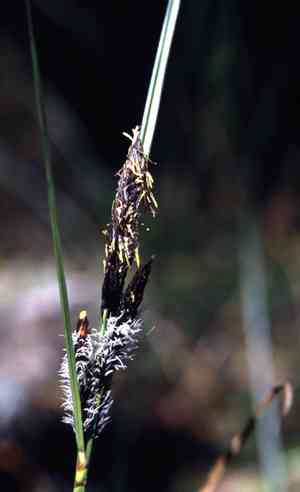
Slough Sedge is recognized for its capacity to enhance wetland water purity.
2
The robust root structure of Slough Sedge aids in preventing soil degradation.
3
Slough Sedge offers essential living space for native animals and promotes ecological variety.
How Does Slough Sedge Improve Water Quality?
Natural Filtration System
Slough Sedge acts as a natural purifier in wetland settings. Its dense root structure captures sediments, excess nutrients, and pollutants from water, thereby boosting clarity and overall quality. By reducing harmful substance levels in the water, Slough Sedge helps maintain cleaner aquatic environments, crucial for local plant and animal health.
Nutrient Uptake
The plant's robust growth enables it to absorb significant amounts of nutrients, like nitrogen and phosphorus, often found in contaminated waters. This nutrient absorption prevents algal blooms that can deplete water oxygen and returns vital nutrients to the soil, fostering a balanced ecosystem. Slough Sedge is key to wetland nutrient cycling.
What Are the Erosion Control Benefits of Slough Sedge?
Anchor for Soil
A key feature of Slough Sedge is its extensive root network. This system acts as an anchor, firmly securing the soil. By doing so, Slough Sedge lessens soil erosion, safeguarding the integrity of wetland banks and shores. This stabilization is especially vital during heavy rains or floods, which can otherwise cause significant soil displacement and degradation.
Buffer Against Flooding
Beyond stabilizing soil, Slough Sedge serves as a natural flood barrier. The plant's structure can slow water flow, dissipating the energy of moving water and reducing its erosive force. This not only minimizes soil loss but also helps preserve the landform and structure of wetland areas over time.
How Does Slough Sedge Support Local Wildlife?
Habitat Provision
Slough Sedge provides essential habitat for various wildlife. Its dense foliage offers refuge and breeding grounds for many bird, amphibian, and invertebrate species. Small mammals also depend on this plant for protection from predators and harsh weather. By supporting diverse species, Slough Sedge helps sustain ecological balance in its native wetland environment.
Food Source
In addition to providing shelter, Slough Sedge is a food source for several wetland creatures. Many insects and herbivores consume its leaves, stems, and roots, which in turn support predators higher up the food chain. This interconnected food web highlights Slough Sedge's importance in maintaining complex trophic interactions within wetland ecosystems.
Why Is Slough Sedge Important for Biodiversity?
Promoting Native Flora
Slough Sedge helps maintain and enhance biodiversity by encouraging the growth of native plant species. Its presence deters the spread of non-native species, which can outcompete and displace indigenous flora. By sustaining a diverse plant community, Slough Sedge ensures wetlands remain resilient to environmental changes and disturbances.
Supporting Pollinators
Pollinators such as bees and butterflies are drawn to Slough Sedge flowers, which provide them with vital nectar and pollen. The health and survival of these pollinators are crucial as they play a pivotal role in the reproduction of many plant species. Consequently, Slough Sedge supports the broader ecosystem services that pollinators offer, such as sustaining food crops and other vegetation.
How Is Slough Sedge Utilized in Wetland Restoration Projects?
Restoration and Rehabilitation Efforts
Slough Sedge is a favored species in wetland restoration projects due to its adaptability and ecological benefits. The plant's ability to thrive in waterlogged soils and support diverse wildlife makes it an invaluable tool for revitalizing degraded wetland areas. Restoration efforts often involve planting Slough Sedge to accelerate the recovery of wetland functions and biodiversity.
Long-term Ecological Stability
Using Slough Sedge in restoration projects contributes to enduring ecological stability. Its presence ensures continuous nutrient cycling, soil stabilization, and habitat provision. Over time, restored wetlands with Slough Sedge establish more resilient ecosystems that can withstand environmental stresses, such as climate change and urban development pressures.



