The Spreading bellflower Plant Advantage: Maximizing Home and Office Appeal and Wellness
1
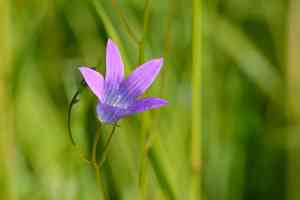
This botanical specimen is recognized for its striking violet, campanulate blossoms, enhancing the aesthetic of any horticultural space.
2
It functions as a superb lure for beneficial insects such as bees and lepidopterans.
3
Frequently incorporated into therapeutic herb plots and naturalized flower fields, boosting ecological variety.
What Are the Visual and Aesthetic Benefits of Spreading bellflower?
Charming Floral Display
Spreading bellflower is known for its striking purple, bell-shaped blooms, appearing from late spring to early summer. This captivating floral show not only enhances gardens but also adds elegance to wildflower areas and mixed borders. Its delicate yet vibrant flowers create a stunning visual focal point, boosting any landscape's overall beauty.
Versatility in Garden Design
The plant's adaptability suits various garden styles, from rustic cottage gardens to sleek modern designs. Its upright, spreading growth habit allows for diverse planting schemes, whether as a border plant, in rock gardens, or as part of a wildflower meadow. Its ability to flourish in different soil types and conditions further increases its flexibility.
How Does Spreading bellflower Support Local Wildlife?
Attraction to Pollinators
A key advantage of Spreading bellflower is its appeal to pollinators, especially bees and butterflies. The plant's bell-shaped blossoms offer an excellent nectar source, supporting the health and abundance of these vital insects. By planting Spreading bellflower, gardeners aid local pollinator populations, crucial for the fertilization of many other plants, including food crops.
Habitat and Food Source
Spreading bellflower also provides a home and food for various other beneficial insects and small creatures. Its dense foliage offers shelter and nesting spots, while its seeds feed birds. This makes Spreading bellflower an essential part of a diverse garden, supporting a range of species and boosting the ecological value of your outdoor space.
How Does Spreading bellflower Contribute to Soil Health?
Soil Erosion Control
The extensive root system of Spreading bellflower effectively controls soil erosion. By stabilizing the soil, it prevents degradation and loss, which is especially useful on slopes and erosion-prone areas. This root structure not only anchors the soil but also improves its composition and fertility.
Nutrient Cycling
Spreading bellflower contributes to nutrient cycling within the garden ecosystem. As its leaves and flowers decay, they release nutrients back into the soil, enriching it and fostering the growth of other plants. This natural process reduces the need for chemical fertilizers and promotes a healthier, more sustainable garden environment.
What Are Some Common Uses of Spreading bellflower?
Wildflower Meadows and Naturalized Areas
Spreading bellflower is a popular choice for wildflower meadows and naturalized areas due to its ability to thrive in various soil types and conditions. Its self-seeding nature allows it to spread and naturalize over time, creating a vibrant and dynamic landscape. Its presence in these areas contributes to biodiversity and the overall health of the ecosystem.
Herb Gardens and Companion Planting
Beyond its aesthetic and ecological benefits, Spreading bellflower is often included in herb gardens and used in companion planting. Its flowers and foliage can complement other herbs and plants, creating a balanced and visually appealing garden. Its ability to attract beneficial insects also supports the growth and health of companion plants, enhancing the garden's productivity.



