The Kern brodiaea Plant Advantage: Maximizing Home and Office Appeal and Wellness
1
Kern brodiaea flourishes in diverse soil conditions, rendering it a versatile garden plant.
2
Kern brodiaea's blooming period offers lovely flowers in springtime, boosting aesthetic charm.
3
Kern brodiaea tolerates dry spells, needing little water and presenting an environmentally sound option.
Why is Kern brodiaea an Excellent Garden Plant?
Versatility
Kern brodiaea is renowned for its remarkable capacity to thrive in diverse soil types and climatic conditions. Regardless of whether your soil is sandy, loamy, or clay, this plant can flourish without extensive modifications or specialized attention. This versatility makes it an outstanding selection for gardeners facing varied environmental circumstances.
Aridity Tolerance
A prominent characteristic of Kern brodiaea is its ability to withstand dry conditions. This plant needs very little water, making it an environmentally conscious choice for those aiming to conserve water. In areas where water scarcity is an issue, cultivating Kern brodiaea can help decrease your overall water consumption without compromising your garden's beauty.
How Does Kern brodiaea Improve Your Garden's Visual Appeal?
Flowering Period
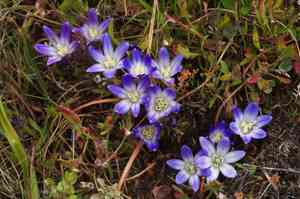
Kern brodiaea produces magnificent blossoms during the spring season, infusing your garden with vibrant hues. The flowers typically appear in shades of purple and blue, creating a visually striking display that can elevate the entire landscape. This flowering cycle perfectly complements other springtime flora, making Kern brodiaea an excellent companion plant.
Flexible Landscape Application
Given its aesthetic charm and robust nature, Kern brodiaea offers high versatility in landscaping. It can be utilized as a ground cover, in rock gardens, or as a border plant. Its adaptability and minimal upkeep requirements make it a favorite among landscape designers seeking to create visually appealing yet sustainable outdoor environments.
What Environmental Advantages Does Kern brodiaea Offer?
Soil Enhancement
Kern brodiaea contributes to soil health by preventing erosion and fostering nutrient cycling. Its root system helps stabilize the soil, reducing the likelihood of erosion during heavy rainfall. Furthermore, the plant's natural processes aid in the gradual release of nutrients, promoting healthier soil over time.
Pollinator Attraction
Another significant benefit of Kern brodiaea is its capacity to draw in pollinators such as bees and butterflies. These pollinators play a vital role in maintaining biodiversity and promoting the health of other plants in your garden. By planting Kern brodiaea, you are not only adding aesthetic value to your garden but also supporting the local ecosystem.
What Are the Upkeep Requirements for Kern brodiaea?
Minimal Irrigation
As previously stated, Kern brodiaea is drought-resistant and requires very little watering. Once established, this plant can thrive with infrequent irrigation, making it a low-maintenance option for busy gardeners or those in arid regions.
Pest Resistance
Kern brodiaea naturally resists most common garden pests. This inherent resistance means you will spend less time and money on pest control products, allowing you to enjoy a healthier garden with fewer interventions.
What Are the Optimal Practices for Planting Kern brodiaea?
Choosing the Right Spot
For the best results when planting Kern brodiaea, select a location that receives full to partial sunlight. While Kern brodiaea can adjust to various light conditions, optimal growth and flowering are achieved with sufficient sunlight.
Soil Preparation
Although Kern brodiaea adapts to diverse soil types, preparing your soil can enhance its growth. Ensure the soil is well-drained and, if necessary, amend it with organic matter to improve its structure and fertility.
How to Multiply Kern brodiaea?
Separation
One of the simplest ways to multiply Kern brodiaea is through separation. This method involves dividing mature clumps of the plant and replanting them in a new spot. It's best performed during the plant's dormant period to minimize stress and ensure successful establishment.
Seeds
Another method of propagation is using seeds. Collect seeds from mature plants and sow them in well-prepared soil. While this approach takes longer to produce mature plants, it allows for greater genetic diversity in your garden.



