The Yellow Birch Plant Advantage: Maximizing Home and Office Appeal and Wellness
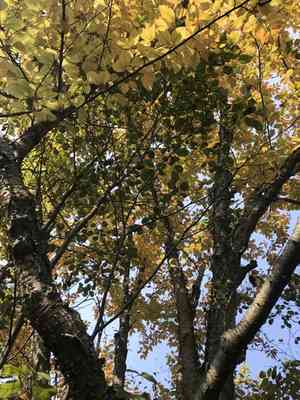
1
The Yellow Birch is recognized for its characteristic exfoliating bark and fragrant timber.
2
This particular tree serves as an excellent origin for premium wood.
3
The foliage and outer layer of the Yellow Birch offer various ecological advantages.
Why Select Yellow Birch for Your Surroundings?
Visual Appeal and Landscape Enhancement
A primary reason Yellow Birch is valued in landscaping is its striking appearance. This tree is recognized by its distinct bark, which peels in thin, curling strips, revealing a smooth, golden surface underneath. This unique characteristic adds elegance and beauty to gardens and public areas, making it a favorite among landscapers and gardeners.
Contribution to Biodiversity
Beyond its visual charm, Yellow Birch significantly supports local wildlife. Its seeds provide sustenance for birds and small mammals, while the tree itself offers refuge to various species. By planting Yellow Birch, you contribute to preserving local ecosystems and fostering biodiversity.
The Practical Applications of Yellow Birch
Premium Timber
Yellow Birch is highly esteemed for its exceptional wood. Known for its robustness and longevity, this timber is utilized in various applications, from furniture construction to flooring. The fine, uniform grain of Yellow Birch wood makes it a preferred option for crafting high-quality, enduring products.
Aromatherapy and Natural Scents
The aromatic qualities of Yellow Birch are another notable advantage. The wood's scent is often described as wintergreen-like, imparting a pleasant aroma to wooden items. This trait not only boosts the market value of products made from Yellow Birch but also makes it a popular choice for essential oils and natural fragrances.
Environmental Advantages of Yellow Birch
Soil Improvement
One remarkable characteristic of Yellow Birch is its capacity to enhance soil quality. Its leaves and bark decompose to form rich humus, boosting soil fertility and structure. This natural process aids in maintaining a healthy, productive garden or forest floor.
Carbon Sequestration
Yellow Birch plays a crucial role in mitigating climate change by absorbing carbon dioxide from the atmosphere. Like many trees, it takes in CO2 during photosynthesis and stores carbon in its biomass. Planting Yellow Birch helps reduce atmospheric CO2 levels, making it a valuable ally in combating global warming.
How Can Yellow Birch Be Integrated into Daily Life?
Gardening and Landscaping
Incorporating Yellow Birch into your garden or landscaping projects can significantly boost the aesthetic and ecological value of your space. Consider Yellow Birch for hedges, as standalone ornamental trees, or as part of a diverse planting scheme to support local wildlife and improve environmental health.
Crafting and Furniture Making
For those in the woodworking and crafting sectors, Yellow Birch offers a superior material choice. Its strength, texture, and natural fragrance make it ideal for creating beautiful, durable items, from fine furniture to artistic carvings. Utilizing the unique properties of Yellow Birch can lead to the production of high-demand, marketable goods.



