The Garden orache Plant Advantage: Maximizing Home and Office Appeal and Wellness
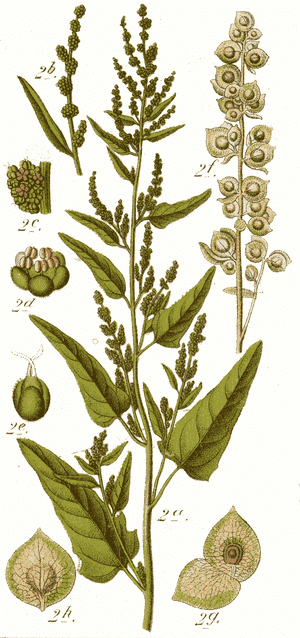
1
Garden orache improves soil quality by introducing beneficial elements.
2
Contains dietary fiber which supports digestion and intestinal well-being.
3
Packed with vital vitamins and minerals, offering a wholesome boost to dishes.
How Does Garden orache Enhance Soil Quality?
Functions as a Green Manure
Garden orache is frequently utilized as a green manure, a method where plants are integrated into the soil to improve its composition and nutrient levels. As Garden orache decomposes, it releases vital nutrients back into the earth, boosting its fertility. This makes it an excellent crop for gardeners aiming to naturally enrich their soil.
Enhances Soil Structure
Beyond adding nutrients, Garden orache also contributes to better soil structure. Its root system breaks up dense soil, facilitating improved water penetration and root development for subsequent crops. This results in more productive gardening and healthier plants overall.
What Nutrients Does Garden orache Offer?
Rich in Vitamins
Garden orache is a nutritional powerhouse, containing a broad spectrum of essential vitamins including Vitamin A, Vitamin C, and several B vitamins. These vitamins play critical roles in maintaining ocular health, strengthening the immune system, and supporting metabolic functions.
Abundant in Minerals
Besides vitamins, Garden orache is also plentiful in minerals such as iron, magnesium, and potassium. Iron is crucial for red blood cell production, magnesium supports muscle and nerve functions, and potassium aids in regulating fluid balance in the body. Including Garden orache in your diet can help you meet your daily mineral needs.
How Can Garden orache Aid Digestion?
High Fiber Content
Garden orache is rich in dietary fiber, which is vital for a healthy digestive system. Fiber helps to add bulk to stool and encourage regular bowel movements, preventing constipation. This makes Garden orache a great addition to meals for those seeking to improve their digestive health.
Prebiotic Qualities
The fiber in Garden orache also acts as a prebiotic, fostering the growth of beneficial bacteria in the gut. These bacteria are essential for breaking down food, absorbing nutrients, and protecting the body from harmful pathogens. By helping to maintain a healthy gut flora, Garden orache supports overall digestive wellness.
How Can You Incorporate Garden orache into Your Meals?
Fresh Leaves in Salads
One of the simplest ways to enjoy Garden orache is by adding fresh leaves to salads. They offer a subtly salty flavor and can be combined with other greens for a nutritious, delicious meal. Mixing Garden orache with a variety of colorful vegetables also boosts the nutritional value of your salad.
Cooked Preparations
Garden orache can also be cooked and utilized in various dishes such as soups, stews, and stir-fries. When cooked, the leaves tend to soften and can be a great addition to a wide range of recipes. Cooking Garden orache can also help to reduce its oxalate content, making it safer to consume for those with specific dietary restrictions.
Why Cultivate Garden orache in Your Garden?
Low Maintenance
Garden orache is known for being a resilient plant that requires minimal upkeep, making it an excellent choice for both beginner and experienced gardeners. It thrives in various soil types and can withstand diverse climatic conditions. This hardiness ensures a good yield with less effort.
Beneficial for Crop Rotation
Integrating Garden orache into your crop rotation strategy can offer multiple advantages. Its capacity to improve soil health and structure makes it a valuable asset to any garden. Furthermore, rotating crops with different nutrient demands helps in reducing soil depletion and pest issues, promoting sustainable gardening practices.



