The Crescent milkvetch Plant Advantage: Maximizing Home and Office Appeal and Wellness
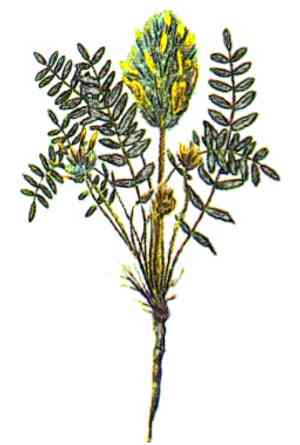
1
Crescent milkvetch enriches soil, making it an excellent garden addition.
2
It draws beneficial insects, fostering a robust ecosystem.
3
This resilient plant flourishes in dry climates, offering gardening versatility.
Why Crescent Milkvetch is Vital for Your Garden
Soil Improvement
Crescent milkvetch is key to boosting soil health due to its nitrogen-fixing capability. Nitrogen is a vital nutrient for plant development, and Crescent milkvetch transforms atmospheric nitrogen into a form plants can readily absorb. This natural process lessens the need for chemical fertilizers, supporting organic gardening methods. Furthermore, adding Crescent milkvetch to your garden can better soil structure, boost fertility, and improve moisture retention.
Attracting Beneficial Insects
A notable characteristic of Crescent milkvetch is its capacity to draw in various helpful insects. Pollinators like bees and butterflies are attracted to its blooms, aiding in the pollination of other garden plants. Moreover, certain insects that prey on garden pests find Crescent milkvetch an ideal home, helping to naturally manage pest populations without harmful pesticides. This fosters a balanced and healthy garden ecosystem.
How Crescent Milkvetch Supports Environmental Sustainability
Drought Resistance
Crescent milkvetch is well-suited to dry and semi-arid climates, making it an excellent choice for areas prone to drought. The plant's deep root system allows it to access water from deeper soil layers, enabling it to flourish with minimal irrigation. This drought tolerance helps conserve water and makes Crescent milkvetch a sustainable option for eco-conscious gardening.
Erosion Prevention
The strong root system of Crescent milkvetch also plays a crucial role in preventing soil erosion. By stabilizing the soil, Crescent milkvetch lowers the risk of erosion caused by wind and water runoff. Planting Crescent milkvetch on slopes or in areas susceptible to erosion can help maintain soil integrity, safeguarding the environment and preserving valuable topsoil.
Practical Advice for Cultivating Crescent Milkvetch in Your Garden
Optimal Growing Conditions
Crescent milkvetch prefers well-drained soil and thrives in full sun. While it tolerates poor soil, adding organic matter can enhance growth. Ensure the planting site gets ample sunlight and that soil drainage is sufficient to prevent waterlogging. Once established, Crescent milkvetch needs little upkeep, making it a low-effort, high-reward choice for gardeners.
Propagation and Upkeep
Crescent milkvetch can be grown from seeds or cuttings. For seeds, sow them in early spring or fall and keep the soil moist until germination. For cuttings, select healthy stems and plant them in a sand and compost mix. Regular watering is essential during initial growth, but once established, the plant can endure dry spells. Occasional trimming can help maintain its shape and encourage denser growth.
The Wider Ecological Impact of Crescent Milkvetch
Boosting Biodiversity
By integrating Crescent milkvetch into your landscape, you contribute to local biodiversity. The plant offers habitat and food sources for various wildlife, including insects, birds, and small mammals. This enriches the ecological diversity of your garden and supports the overall health of your local environment.
Reducing Carbon Footprint
Gardening with Crescent milkvetch can also positively affect your carbon footprint. By lessening the need for synthetic fertilizers and pesticides, you reduce the carbon emissions linked to their production and transport. Additionally, Crescent milkvetch's ability to thrive in low-water conditions decreases the energy consumption required for water supply and irrigation.



