The Cast-iron plant Plant Advantage: Maximizing Home and Office Appeal and Wellness
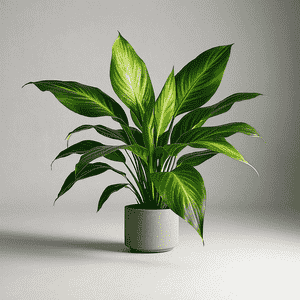
1
Hardy and easy to care for, ideal for busy individuals.
2
Enhances air purity indoors by removing harmful substances.
3
Flourishes in dim light and fluctuating temperature conditions.
Benefits of Aspidistra for Your Home
Effortless Upkeep
A key attractive feature of Aspidistra is its minimal care requirements. This plant flourishes in dim light, making it ideal for poorly lit areas in your home or workplace. Unlike many houseplants needing frequent watering, Aspidistra only requires moisture when its soil feels dry. This suits busy individuals who lack time for high-maintenance plants.
Adaptability to Various Environments
The charm of Aspidistra lies in its robustness. Whether situated in a room with fluctuating temperatures or an area exposed to drafts, this plant endures such conditions without issue. Its capacity to adjust to less-than-ideal surroundings makes it a versatile addition to any living space.
Air Purification Capabilities
Indoor air quality is a major concern for many, especially in urban areas. Aspidistra helps mitigate this by serving as a natural air purifier. The plant effectively removes harmful airborne substances, including benzene and formaldehyde, from your indoor environment. This can lead to improved air quality and a healthier living atmosphere.
Visual Advantages
Decor Enhancement
With its rich green foliage and sturdy structure, Aspidistra can significantly boost the visual appeal of any room. Its dark green, shiny leaves offer a lovely contrast to various interior design styles, be it modern, rustic, or classic. Placing Aspidistra in stylish containers or planters can further elevate your living spaces' decor.
Flexible Placement Options
Given its resilient nature, Aspidistra can be positioned almost anywhere within your home. Whether you wish to add a touch of green to your office desk, living room, or even bathroom, the plant will continue to thrive with minimal attention. Its versatility also extends to outdoor settings, where it can enhance garden beds or patio areas.
Aspidistra Care Guide
Temperature and Humidity Needs
This tough plant is quite flexible but prefers temperatures between 15-29°C (60-85°F). It also tolerates various humidity levels, making it suitable for different climates and indoor settings. In particularly dry regions, occasional misting can help maintain lush, healthy leaves.
Watering and Soil Requirements
While Aspidistra is low-maintenance, proper care ensures its health and vibrancy. Water the plant only when the top inch of soil is dry, and use well-draining soil to prevent root rot. Overwatering is a common error, so it's best to be cautious.
Light Preferences
Although Aspidistra can endure low-light conditions, it flourishes best in indirect sunlight. Positioning it near a north-facing window or in a spot receiving filtered light throughout the day can encourage optimal growth. Avoid direct sunlight, as this can scorch its leaves.
Common Problems and Solutions
Pests and Diseases
While Aspidistra is generally pest-resistant, it can occasionally suffer from spider mites or scale. Regular inspection and wiping leaves with a damp cloth can help prevent infestations. Neem oil or insecticidal soap can also be effective treatments if pests appear.
Leaf Discoloration
Yellowing leaves often indicate overwatering or inadequate drainage. Ensure the pot has drainage holes and avoid watering too frequently. If the problem persists, consider repotting the plant in fresh, well-draining soil.



