The Marguerite daisy Plant Advantage: Maximizing Home and Office Appeal and Wellness
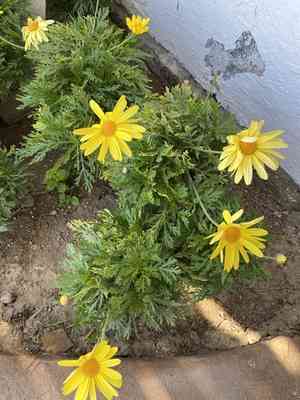
1
Ideal for enlivening outdoor spaces with its vivid flowers.
2
Draws in beneficial insects such as bees and butterflies.
3
Easy-care plant that flourishes in diverse soil conditions.
What Makes Marguerite Daisy Special?
Aesthetic Appeal
A primary reason for the Marguerite daisy's popularity among gardeners is its striking look. Its flower heads are typically bright yellow or white, adding a burst of color that can brighten any garden. These blossoms are perfect for creating captivating displays, whether planted alone or with other plants.
Adaptability in Garden Design
Another key benefit is the Marguerite daisy's flexibility in various garden styles. Whether you have a contemporary, minimalist garden or a lush, cottage-style landscape, the Marguerite daisy can seamlessly integrate into diverse environments. Its compact growth habit also makes it suitable for container gardening, allowing even those with limited space to enjoy its beauty.
Why Add Marguerite Daisy to Your Garden?
Attracts Beneficial Insects
One of the less obvious, yet highly valuable advantages of the Marguerite daisy is its capacity to draw in helpful insects. Pollinators like bees and butterflies are naturally drawn to the vibrant colors and abundant nectar of the Marguerite daisy. By planting it in your garden, you can foster a more lively and diverse ecosystem.
Low Maintenance and Resilient
In an era where many of us lead busy lives, having a low-maintenance garden plant can be a huge relief. The Marguerite daisy fits this description perfectly. It is generally drought-tolerant and thrives in various soil types, making it an excellent choice for those who may not have the greenest thumbs. Minimal watering and occasional trimming are typically all that's needed to keep it looking its best.
How to Care for Marguerite Daisy for Optimal Growth
Ideal Growing Conditions
The Marguerite daisy requires specific growing conditions to truly thrive. Full sun exposure is ideal, as it promotes more abundant flowering. The plant prefers well-drained soil but can adapt to different types, including sandy or loamy soils. Regular watering helps, but it's important to allow the soil to dry out between watering sessions to prevent root rot.
Pruning and Deadheading Advice
To maintain the aesthetic appeal of the Marguerite daisy, regular pruning and deadheading are recommended. Removing spent blooms not only keeps the plant looking tidy but also encourages further flowering. Pruning should be done in the spring to remove any dead or damaged growth, stimulating new and healthy growth for the blooming season ahead.
Common Issues and Solutions
Pests and Diseases
Despite being relatively hardy, the Marguerite daisy can be susceptible to certain pests and diseases. Common issues include aphids and powdery mildew. Using organic pesticides and ensuring proper spacing for airflow can help mitigate these problems. Regular inspection of the plant also aids in early detection and treatment.
Environmental Stressors
Environmental factors such as overly shady conditions or excessively damp soil can cause setbacks for the Marguerite daisy. Ensuring proper planting conditions will minimize these stressors. In regions with extreme temperatures, it's advisable to offer some shade during peak heat and mulch to retain soil moisture.



