The Giant taro Plant Advantage: Maximizing Home and Office Appeal and Wellness
1
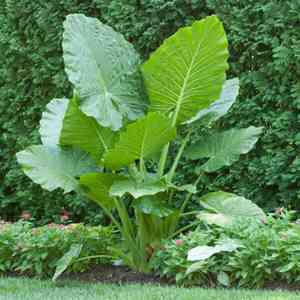
Alocasia macrorrhiza is recognized for its remarkable capacity to flourish in both interior and exterior settings.
2
The substantial foliage of Alocasia macrorrhiza can enhance atmospheric purity by eliminating contaminants.
3
This plant offers a striking enhancement to any garden due to its abundant, exotic aesthetic.
What Makes Giant Taro Special?
Distinctive Features
Giant taro is easily identified by its expansive, heart-shaped foliage and imposing stature. With leaves reaching up to three feet in length, it creates a striking visual impact whether situated in a garden or an indoor setting. The plant is also robust, capable of flourishing in diverse conditions, which adds to its appeal.
Versatility
Giant taro exhibits remarkable adaptability to various surroundings. It can prosper in both shaded and sunlit areas, offering flexibility for gardeners and homeowners. This versatility makes it an excellent option for those seeking to introduce greenery without excessive maintenance concerns.
How Giant Taro Improves Indoor Environments
Air Quality Enhancement
A key advantage of Giant taro is its capacity to significantly better indoor air quality. The plant's large leaves possess a high ability to absorb airborne contaminants, such as formaldehyde and benzene. This positions it as an outstanding natural air purifier, contributing to a healthier living space.
Visual Appeal
The aesthetic charm of Giant taro is undeniable. Its large, lustrous leaves and upright growth habit make it a captivating addition to any interior. Whether placed in a living room, office, or even a bathroom, it can infuse a touch of nature and sophistication, elevating the overall atmosphere.
Giant Taro's Role in Outdoor Settings
Flexible Landscaping Element
Giant taro serves as a versatile component in any landscape design. It can function as a focal point in garden beds, a dramatic backdrop in planting schemes, or even to cultivate a lush, tropical ambiance. Its size and leaf structure make it a prominent addition that can enhance the visual dynamics of outdoor areas.
Soil Erosion Control
Beyond its beauty, Giant taro also plays a practical role in preventing soil erosion. Its extensive root system helps to stabilize the ground, making it an excellent choice for regions prone to erosion. This not only preserves the landscape but also safeguards the environment by reducing sediment runoff.
Practical Applications of Giant Taro
Historical Uses
Historically, Giant taro has had various traditional applications. In certain cultures, the leaves are utilized as natural wrappers for cooking, leveraging their large surface area and durability. These traditional practices highlight the plant's multifaceted nature, extending its utility beyond mere ornamental purposes.
Ecological Contribution
From an ecological standpoint, Giant taro plays a significant role in biodiversity. It provides habitat and sustenance for various insects and wildlife, supporting local ecosystems. By cultivating Giant taro, gardeners can contribute to ecological balance and foster biodiversity in their own yards.
Common Inquiries About Giant Taro
Is Giant Taro Simple to Care For?
Giant taro is relatively easy to maintain provided some basic care guidelines are followed. It thrives in well-draining soil and requires moderate watering. Given its preference for humid conditions, occasional misting or placement near a water source can help keep the plant healthy and vibrant.
Can Giant Taro Be Grown Indoors?
Absolutely! Giant taro can be successfully cultivated indoors with the right conditions. It prefers indirect light and high humidity, so positioning it near a window with filtered sunlight or using a humidifier can create an ideal environment. With proper care, it can flourish and grow impressively even within interior spaces.



