The Three-cornered leek Plant Advantage: Maximizing Home and Office Appeal and Wellness
1
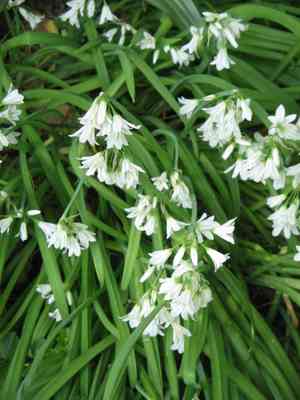
Three-cornered leek foliage offers a gentle garlic taste, ideal for inclusion in salads.
2
Packed with essential vitamins and minerals, Three-cornered leek contributes to general well-being.
3
This plant readily propagates and serves as an effective ground cover in garden settings.
What Nutritional Benefits Does Three-cornered leek Offer?
Rich in Vitamins and Minerals
A primary advantage of Three-cornered leek is its abundant nutrient content. This herb is packed with vital vitamins and minerals, including vitamin C, vitamin A, calcium, and iron. These nutrients are crucial for maintaining good health, bolstering immune function, and fostering strong bones and teeth.
Dietary Fiber
Another key advantage of Three-cornered leek is its high dietary fiber content. Consuming adequate fiber is essential for digestive wellness, aiding in regulating bowel movements, and preventing constipation. Incorporating Three-cornered leek into your diet can contribute to overall gastrointestinal health.
How Can Three-cornered leek Enhance Your Culinary Creations?
Flavor Enhancer
The subtly garlicky leaves of Three-cornered leek can be used to boost the taste of various dishes. Whether you add them raw to salads, soups, or sandwiches, or use them as a cooked ingredient in pasta and stir-fries, Three-cornered leek can elevate your cooking. Its delicate flavor complements many ingredients, offering a subtle yet distinct taste.
Versatile Ingredient
The entire plant, including the leaves, flowers, and stems, is edible, making Three-cornered leek a flexible addition to your kitchen. You can use its blossoms as a decorative and flavorful garnish, or chop the leaves and stems for a fresh burst of taste. This adaptability allows you to experiment with Three-cornered leek in a range of recipes.
What Are the Gardening Benefits of Three-cornered leek?
Natural Ground Cover
Three-cornered leek is known for its ability to spread easily, making it an excellent choice for natural ground cover. This plant can help control weeds, reducing the need for chemical herbicides in your garden. Additionally, its low-growing nature means it can fill in gaps and create a lush, green carpet-like effect.
Pollinator-Friendly Plant
By incorporating Three-cornered leek into your garden, you can attract a variety of pollinators, such as bees and butterflies. The plant's delicate, white flowers provide a source of nectar for these beneficial insects, supporting biodiversity in your garden. A thriving population of pollinators can enhance the health and productivity of other plants as well.
How to Grow and Care for Three-cornered leek
Ideal Growing Conditions
Three-cornered leek thrives in well-drained soil and can grow in both full sun and partial shade. It's a hardy plant that can tolerate a range of conditions, making it relatively low-maintenance. When planting Three-cornered leek, ensure that the soil is kept moist, especially during dry spells, to promote healthy growth.
Propagation Techniques
One of the easiest ways to propagate Three-cornered leek is through division. Simply separate a clump of the plant and replant it in a new location. This method allows the plant to spread and establish itself quickly. You can also collect and sow seeds, though this method may take longer to produce mature plants.
What Are the Ecological Benefits of Three-cornered leek?
Soil Health
Three-cornered leek can contribute to soil health by preventing erosion and improving soil structure. Its roots help to stabilize the soil, reducing the risk of erosion, while its decaying foliage adds organic matter, enriching the soil with vital nutrients.
Biodiversity Support
By incorporating Three-cornered leek into your garden, you support local biodiversity. Its flowers attract pollinators, while its foliage provides habitat for various small organisms. This increased biodiversity can result in a more resilient and thriving ecosystem.



