The Welsh onion Plant Advantage: Maximizing Home and Office Appeal and Wellness
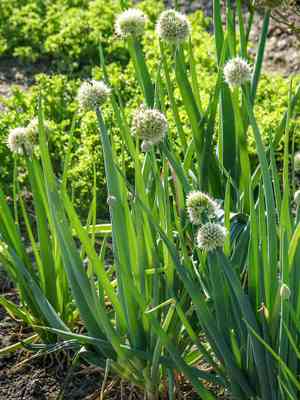
1
Welsh onion contains ample vitamins A and C, bolstering immune function.
2
Cultivation is straightforward, suitable for both garden plots and pots.
3
This plant naturally deters pests, contributing positively to your garden's environment.
Advantages of Welsh onion for Well-being
Why Add Welsh onion to Your Meals?
Welsh onion is rich in vital nutrients like vitamins A and C, crucial for a robust immune system. Including this plant in your diet can provide the necessary boost to ward off common illnesses and sustain your energy levels. Furthermore, Welsh onion contains beneficial compounds with antioxidant qualities, aiding in neutralizing harmful free radicals within the body.
Nutrient Content of Welsh onion
A key characteristic of Welsh onion is its impressive nutritional makeup. A single serving can supply a substantial portion of your daily recommended intake of various vitamins and minerals. For example, its high vitamin A content supports good vision and skin health, while vitamin C assists in collagen production and improves iron absorption. Additionally, Welsh onion offers a good source of dietary fiber, which promotes digestive wellness and helps in maintaining a healthy weight.
Cultivating Welsh onion
How to Cultivate Welsh onion in Your Garden
Cultivating Welsh onion is a relatively straightforward task requiring minimal effort, making it ideal for both new and experienced gardeners. It thrives in well-drained soil with ample sunlight and can be planted directly into the ground or started from young plants. Consistent watering and occasional fertilization will ensure vigorous growth. The plant can be harvested continuously by cutting the stalks, which encourages new development.
Pest-Deterring Qualities
Welsh onion is not only valuable for its nutritional benefits but also for its role in garden pest management. The plant's natural compounds serve as effective pest deterrents, keeping away common nuisances such as aphids, carrot flies, and cabbage loopers. By integrating Welsh onion into your garden, you can foster a healthier and more balanced ecosystem, reducing the need for chemical pesticides and promoting sustainable gardening practices.
Cooking Applications of Welsh onion
Incorporating Welsh onion into Your Dishes
Welsh onion is incredibly versatile in the kitchen and can be used to enhance a variety of meals. Its mild, sweet onion flavor makes it a perfect addition to salads, soups, and stir-fries. The green tops can be used as garnishes, while the white base offers a taste similar to that of a mild scallion or leek. Whether you're sautéing it with other vegetables or using it as a topping for your favorite dishes, Welsh onion brings both flavor and nutrition to your meals.
Traditional and Cultural Uses
In many cultures, Welsh onion holds a special place in traditional cooking. Known for its aromatic properties, it is frequently used in Asian cuisine, such as in Korean dishes like pajeon (savory pancakes) or in Chinese hotpots and soups. Its unique flavor can enhance and balance the taste of various ingredients, making it a staple in many households globally.
Ecological Advantages of Welsh onion
Supporting Biodiversity
Growing Welsh onion in your garden can contribute to supporting local biodiversity. The flowers of Welsh onion attract beneficial insects, such as bees and butterflies, which are crucial for pollination. By providing a habitat for these pollinators, you're helping to promote a healthy and diverse garden ecosystem. This, in turn, supports the growth of other plants and helps maintain balance within the garden environment.
Soil Health and Erosion Control
Welsh onion also plays a significant role in maintaining soil health. Its root system helps in aerating the soil, making it more fertile and conducive to the growth of other plants. Moreover, Welsh onion can also help in controlling soil erosion, particularly in areas prone to heavy rainfall. By stabilizing the soil with its roots, it prevents the loss of topsoil and enhances the overall health of your garden landscape.



