The False aloe Plant Advantage: Maximizing Home and Office Appeal and Wellness
1
False aloe is recognized for its remarkable ability to withstand dry conditions and its versatility.
2
Historically, components of False aloe have been utilized in diverse traditional customs.
3
False aloe contributes to regional ecosystems by offering shelter and sustenance to native animals.
Key Attributes of False Aloe
Environmental Adaptability
A notable characteristic of False aloe is its capacity to flourish across diverse environmental settings. Renowned for its drought tolerance, False aloe can endure arid climates where numerous other plants would struggle. This flexibility makes it an excellent option for xeriscaping, a landscaping approach that minimizes water usage. Furthermore, False aloe can grow in inferior soil conditions, further highlighting its hardiness and versatility.
Cultural Importance
Throughout history, False aloe has been esteemed in various cultures for its distinct qualities. In certain communities, it is employed in traditional ceremonies and customs. Its fibers have been utilized for crafting ropes, mats, and other essential items. The plant's robust structure and longevity symbolize endurance and strength, qualities that have made it a staple in cultural rituals and folklore across different regions.
Environmental Advantages of False Aloe
Supporting Local Ecosystems
False aloe plays a vital role in sustaining local ecosystems. It offers crucial habitat and nourishment for various wildlife species. Bees and other pollinators frequently visit False aloe blossoms, contributing to the pollination process that is essential for the health of many ecosystems. Moreover, the plant's strong root system helps prevent soil erosion, maintaining soil health and stability in its native regions.
Fostering Biodiversity
The presence of False aloe in an ecosystem can enhance biodiversity. As a native species in many parts of its range, False aloe supports the survival of other native plants and animals. It often acts as a pioneer species, aiding in the establishment and stabilization of ecosystems in areas where the soil and other conditions are challenging. By promoting a diverse array of flora and fauna, False aloe helps maintain the ecological balance and resilience of its habitat.
Practical Applications of False Aloe
Horticulture and Landscape Design
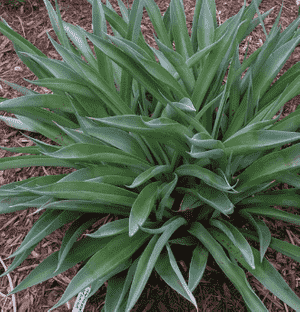
Due to its decorative appeal and minimal maintenance needs, False aloe is a popular choice in horticulture and landscaping. Gardeners appreciate its unique aesthetic, characterized by its striking, succulent-like leaves and tall flowering stalks. The plant's ability to withstand drought and poor soil conditions makes it ideal for sustainable landscaping practices aimed at conserving water and reducing garden upkeep.
Traditional and Contemporary Uses
The versatility of False aloe extends beyond aesthetics to practical applications in both traditional and modern contexts. Historically, indigenous peoples have utilized various parts of False aloe for creating textiles, tools, and even food products. In contemporary settings, there is a growing interest in exploring the plant's potential for producing biodegradable materials and natural products, aligning with increasing global sustainability efforts.
Integrating False Aloe into Your Daily Life
Gardening with False Aloe
Incorporating False aloe into your garden can be a fulfilling experience. Its low water requirements and resistance to pests and diseases make it an ideal choice for gardeners looking to create sustainable and eco-friendly outdoor spaces. To begin, select a sunny location with well-draining soil and consider pairing False aloe with other drought-resistant plants for a cohesive landscape design. Regular but moderate watering during the establishment phase will help False aloe thrive.
DIY Projects
For the more creatively inclined, False aloe offers various opportunities for DIY projects. The plant’s fibers can be used in crafting ropes, baskets, and other handmade items. With the resurgence of interest in traditional crafts, many are turning to natural resources like False aloe for their projects. Whether you are weaving a mat or creating decorative pieces, False aloe provides a sustainable and eco-friendly material that is both functional and aesthetically pleasing.



