The Rough century plant Plant Advantage: Maximizing Home and Office Appeal and Wellness
1
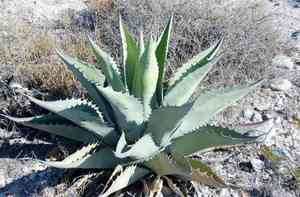
Agave asperrima is a hardy plant well-suited for dry landscapes and water-wise gardens.
2
Its liquid and threads have historically been utilized for making things and folk medicine.
3
This species contributes significantly to preserving soil integrity and stopping soil loss.
Why is Rough century plant Ideal for Water-Wise Landscaping?
Drought Tolerance
Rough century plant flourishes in dry environments, making it an excellent option for xeriscapingâa landscaping approach that minimizes the need for irrigation. This plant's capacity to store water in its thick foliage ensures its survival during extended dry spells, thereby conserving water and reducing garden upkeep.
Minimal Upkeep
Rough century plant demands little attention once established. Unlike many garden plants requiring frequent watering and fertilization, Rough century plant can thrive with basic care, making it perfect for those preferring low-maintenance gardening. Its natural resistance to pests and diseases further lessens the need for chemical treatments.
How Does Rough century plant Enhance Soil Quality?
Erosion Prevention
A significant ecological advantage of planting Rough century plant is its role in preventing soil erosion. The plantâs extensive root system stabilizes the earth, decreasing the risk of landslides and soil degradation. This makes Rough century plant particularly valuable in areas prone to erosion, such as inclines and sandy soils.
Soil Enrichment
Rough century plant contributes to soil health by improving its structure and fertility. As the plant sheds leaves and they decompose, they add organic matter to the soil, boosting its nutrient content and water-retention capacity. This natural process helps create a more fertile environment for other garden plants.
What are the Traditional Applications of Rough century plant's Sap and Fibers?
Crafting and Textiles
The fibers from Rough century plant have been utilized for centuries in crafting and textile production. These strong, durable fibers are perfect for making ropes, mats, and even fabric. Artisans continue to value Rough century plant for its versatility and sustainability, making it a preferred choice for eco-friendly creations.
Natural Remedies
While this article avoids discussing medical uses, itâs worth noting that Rough century plant's sap has historically been employed in various natural remedies. Its long-standing presence in traditional practices underscores its cultural and practical significance.
How Does Rough century plant Support Biodiversity?
Wildlife Habitat
Rough century plant offers a habitat for various forms of wildlife. Its sturdy structure provides shelter to insects, small birds, and other fauna, contributing to local biodiversity. By including Rough century plant in your garden, you support the ecological balance and promote a healthy, thriving ecosystem.
Pollinator Attraction
Rough century plant blooms with striking flowers that attract pollinators such as bees and hummingbirds. These pollinators play a crucial role in maintaining the health of your garden and the broader environment. Encouraging their presence through planting Rough century plant can enhance the pollination of other plants, leading to a more productive garden.
Why Select Rough century plant for Sustainable Gardening?
Environmental Impact
Incorporating Rough century plant into your garden is a sustainable choice that benefits the environment. Its low water and maintenance needs reduce the carbon footprint associated with gardening, while its various ecological contributionsâsuch as improving soil health and supporting biodiversityâmake it an environmentally friendly option.
Aesthetic Appeal
Beyond its practical benefits, Rough century plant adds a unique aesthetic appeal to your garden. Its strikingly architectural form and textured leaves create visual interest, serving as an attractive focal point. Its versatility means it can be incorporated into a variety of garden designs, from contemporary landscapes to more traditional settings.
How to Cultivate and Care for Rough century plant?
Planting Guidelines
To plant Rough century plant, choose well-draining soil in a sunny location. This plant thrives in conditions that mimic its natural habitat, so avoid overwatering and ensure it receives ample sunlight. Planting in raised beds or on slopes can help improve drainage and mimic its native environments.
Ongoing Care
Once established, Rough century plant requires minimal ongoing care. Prune dead or damaged leaves as needed to maintain its appearance and health. Avoid excessive watering, as prolonged moisture can lead to root rot. During extreme drought conditions, occasional deep watering may be beneficial, but in most cases, natural rainfall suffices.



