The African-lily Plant Advantage: Maximizing Home and Office Appeal and Wellness
1
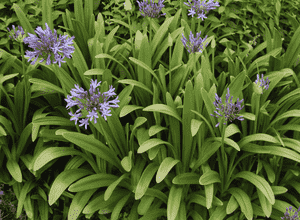
Agapanthus improves garden beauty with its striking flowers.
2
It's recognized for its ability to withstand dry conditions, needing less hydration.
3
Ideal for garden edges and pots.
What Makes African-lily So Special?
Eye-Catching Aesthetics
A primary reason African-lily is cherished by gardeners is its stunning flower clusters. These blossoms appear in shades of blue, purple, and white, creating a captivating visual display. The tall stems and lush foliage offer a structured elegance that can enhance any garden design. Its vivid colors and bold forms make it a striking focal point or a perfect complement to other garden plants.
Adaptability and Hardiness
African-lily is remarkably versatile, thriving across various climates and soil types. It is particularly noted for its drought tolerance, making it an excellent option for areas with water restrictions or for gardeners aiming to minimize water use. This plant can endure poor soil conditions and prefers full sun but can also grow in partial shade. Its capacity to withstand high temperatures without wilting makes it a resilient addition to any garden.
How to Effectively Grow African-lily?
Planting Tips
Cultivating African-lily begins with selecting the appropriate location in your garden. Choose an area that receives ample sunlight as this promotes vigorous blooming. The soil should drain well to prevent root rot. When planting, ensure the rhizomes are approximately two inches deep and spaced at least 12 inches apart to allow for growth.
Caring for Your Plant
Once established, African-lily requires minimal attention. Watering should be done sparinglyâonly when the topsoil feels dry. Over-watering can lead to root rot, so it's best to exercise caution. Fertilize in early spring with a balanced fertilizer to support growth and flowering. Removing spent flowers can encourage more blooms and maintain plant vigor.
What Are the Key Benefits of African-lily?
Environmental Benefits
African-lily contributes positively to the environment. Its drought resistance reduces the need for excessive irrigation, conserving water resources. Additionally, it attracts pollinators like bees and butterflies, supporting local biodiversity and aiding in the pollination of nearby plants.
Versatility in Landscaping
African-lily is a versatile plant that integrates seamlessly into various garden styles. It performs well in borders, rock gardens, and containers. The plant's upright form and vibrant flowers add height and color, creating visual interest. Its adaptability makes it a suitable choice for different garden settingsâbe it a formal landscape or a more casual, cottage-style garden.
Why Choose African-lily for Your Garden?
Low Maintenance Requirements
One of the standout attributes of African-lily is its low maintenance nature. It doesn't demand much once planted, making it ideal for busy gardeners or those new to gardening. Its robustness means it rarely succumbs to pests and diseases, reducing the need for chemical interventions and constant monitoring.
Long Blooming Period
African-lily offers an extended bloom period, often flowering from mid-summer through early fall. This prolonged flowering season ensures your garden remains vibrant and colorful for a significant portion of the year. The sheer delight of seeing these lovely blooms for an extended duration is a compelling reason to cultivate African-lily.



