The Prairie acacia Plant Advantage: Maximizing Home and Office Appeal and Wellness
1
Prairie acacia is vital for nitrogen fixation, improving soil health.
2
Its strong root system makes it an effective plant for preventing soil erosion.
3
Livestock benefit from this plant as a superior forage source.
How Does Prairie acacia Improve Soil Fertility?
Nitrogen Fixation Capabilities
Prairie acacia is recognized for its capacity to fix nitrogen in the ground, significantly boosting soil fertility. This process is aided by the symbiotic relationship between the plant's root system and rhizobia bacteria. These bacteria assist in converting atmospheric nitrogen into a form readily absorbed by plants, enriching the soil and lessening the need for synthetic fertilizers.
Organic Matter Contribution
Prairie acacia adds organic material to the soil through fallen leaves and root decomposition. As these components break down, they introduce vital nutrients to the soil, thereby increasing its organic content and structure. This enhancement in soil quality promotes superior growth conditions for a wide array of plants, making Prairie acacia an excellent choice for sustainable agriculture and gardening.
Why Is Prairie acacia Excellent for Erosion Control?
Robust Root System
Prairie acacia possesses a deep and extensive root network that helps stabilize the soil. This is particularly advantageous in areas susceptible to erosion, such as inclines and riverbanks. The strong root system binds soil particles together, reducing the risk of soil loss caused by wind and water.
Soil Water Retention
Beyond preventing erosion, the roots of Prairie acacia improve the soil's ability to retain water. They create pathways in the soil that allow water to penetrate more effectively, decreasing runoff and fostering better water management. This characteristic benefits both agricultural lands and natural ecosystems, helping to maintain soil health and moisture levels.
What Makes Prairie acacia a Great Forage Crop?
High Nutritional Value
Prairie acacia is highly valued as a feed crop for livestock due to its rich nutrient profile. It supplies essential nutrients such as proteins, vitamins, and minerals that are vital for the health and development of farm animals. By incorporating Prairie acacia into livestock diets, farmers can enhance the overall nutritional intake of their herds.
Palatability and Digestibility
Prairie acacia is not only nourishing but also highly palatable and digestible for various types of livestock, including cattle, sheep, and goats. Its leaves and shoots are tender and easily consumed, making it a preferred forage option. The plant's digestibility ensures that animals efficiently utilize the nutrients, promoting better health and productivity.
How Can Prairie acacia Be Used in Landscaping?
Aesthetic Appeal
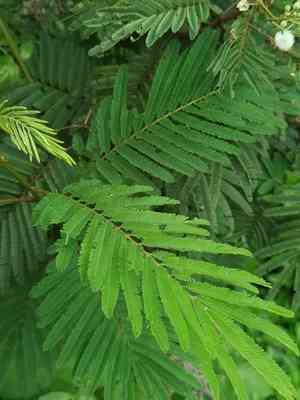
Prairie acacia can be an attractive addition to landscapes due to its delicate foliage and seasonal blooms. The plant's visual appeal makes it suitable for ornamental gardening, providing a natural and beautiful touch to gardens, parks, and green spaces. Its ability to thrive in various soil types and conditions adds to its versatility in landscaping projects.
Wildlife Habitat
Prairie acacia also serves as a dwelling for various wildlife species. Birds, insects, and small mammals often utilize the plant for shelter and sustenance. Incorporating Prairie acacia into your landscape not only enhances its beauty but also promotes biodiversity by providing a haven for local wildlife. This ecological benefit makes Prairie acacia a valuable plant for conservation efforts and natural gardening practices.



