The Silver wattle Plant Advantage: Maximizing Home and Office Appeal and Wellness
1
Silver wattle provides substantial erosion prevention for your land.
2
This plant draws in helpful insects that assist with pollination.
3
It enhances soil richness due to its ability to fix nitrogen.
What Are the Ecological Advantages of Silver Wattle?
Soil Erosion Prevention
A key benefit of Silver wattle is its capacity to prevent soil degradation. Its extensive root network stabilizes the earth, making it an excellent choice for areas susceptible to erosion, such as inclines and riverbanks. By binding the soil, Silver wattle can lessen the detrimental effects of heavy rainfall and water runoff, ensuring your landscape remains intact and thriving.
Nitrogen Fixation
Silver wattle is a nitrogen-fixing plant, meaning it possesses the remarkable ability to convert atmospheric nitrogen into a usable form for plants. This process enriches the soil, making it more fertile and supportive of other plant growth. This natural fertilization lessens the need for synthetic fertilizers, promoting a more eco-friendly gardening approach.
How Does Silver Wattle Improve Garden Beauty?
Visual Appeal
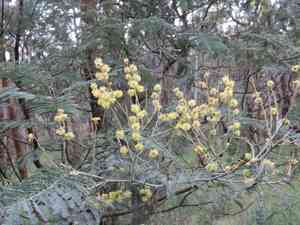
Silver wattle showcases a stunning appearance that can significantly boost the visual charm of any garden. Its vibrant yellow blooms and silvery foliage create a striking contrast, adding layers of color and texture to your landscape. Whether used as a focal point or as part of a mixed border, Silver wattle can elevate the overall aesthetic of your garden.
Attracting Wildlife
Beyond its visual charm, Silver wattle plays a vital role in drawing beneficial wildlife to your garden. Its flowers are a rich source of nectar, attracting pollinators like bees and butterflies. These insects not only add life and movement to your garden but also aid in the pollination of other plants, ensuring a flourishing and diverse ecosystem.
What Practical Applications Does Silver Wattle Offer?
Windbreak Function
Silver wattle can also serve as an effective barrier against wind. Its dense foliage and robust branches are capable of shielding other plants from strong gusts, reducing damage and desiccation. This makes it particularly useful in open or exposed areas where wind can pose a significant challenge for plant development.
Sustainable Wood Source
In addition to its landscaping advantages, Silver wattle can provide sustainable timber. Its wood is useful for various purposes, including crafting furniture, building fences, and even in artistic endeavors. By cultivating Silver wattle, you contribute to a resource that can be harvested sustainably, lessening the strain on traditional timber supplies.
How Can Silver Wattle Enhance Soil Health?
Organic Matter Contribution
Silver wattle contributes organic material to the soil through its fallen leaves. As the leaves decompose, they enrich the soil with essential nutrients, improving its structure and water retention capabilities. This organic matter acts as a natural ground cover, keeping the soil moist and promoting the healthy growth of nearby plants.
Microbial Activity Boost
The presence of Silver wattle in your garden can enhance microbial activity within the soil. Microbes play a crucial role in breaking down organic matter and releasing nutrients that plants require. By fostering a thriving microbial community, Silver wattle helps maintain a balanced and fertile soil environment, benefiting all plants in your garden.
Why Is Silver Wattle a Sustainable Option?
Low Maintenance
Silver wattle is a low-upkeep plant, making it an ideal choice for gardeners seeking to reduce their workload. Once established, it requires minimal watering and pruning, allowing you to enjoy a beautiful and resilient garden with less effort. Its drought tolerance also means it can thrive in regions with limited water resources.
Environmental Impact Reduction
By incorporating Silver wattle into your garden, you can contribute to environmental sustainability. Its ability to improve soil fertility and reduce erosion means fewer chemical inputs and a healthier ecosystem. Additionally, the plant's capacity to attract pollinators supports local biodiversity, making your garden a sanctuary for various species.



