Jujube (Ziziphus jujuba)
Also known as: Red date, Common jujuba
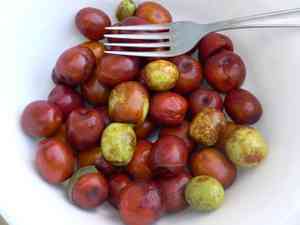
The jujube tree, scientifically known as Ziziphus jujuba, is a deciduous species commonly cultivated for its unique fruit. When young, the fruit is crunchy and apple-like, but as it matures, it shrivels and takes on a sweet, date-like quality. This tree is also referred to as the red date or Chinese date.
In This Article
Attributes of Jujube
Lifespan
Perennial
Plant Type
Tree, Shrub
Plant Height
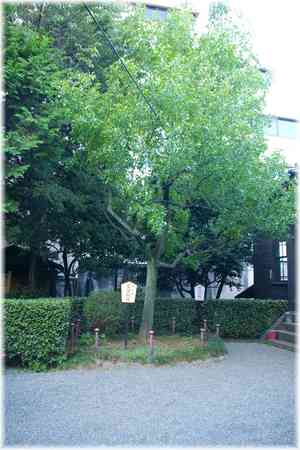
10 m to 20 m
Spread
7 m
Leaf Color
Green Yellow Gold
Flower Size
5 mm
Flower Color
Yellow Green
Images of Jujube
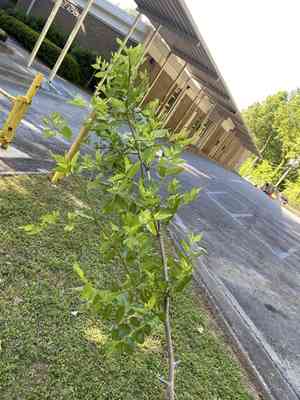
Quickly Identify Jujube
1
White to yellowish-green fragrant flowers with five petals, blooming from late spring to early summer.
2
Brownish-purple drupe fruit transitioning from apple-like to date-like texture, housing 2 seeds.
3
Shiny, ovate to lanceolate green leaves with rounded tips and yellow fall coloration.
4
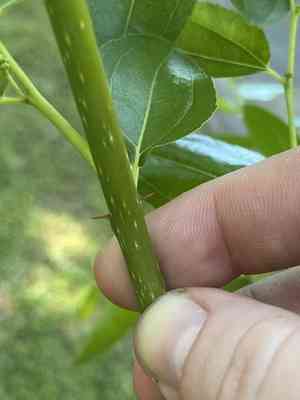
Robust brown stem with straight or curved thorns up to 2.4 inches (6 cm) long.
5
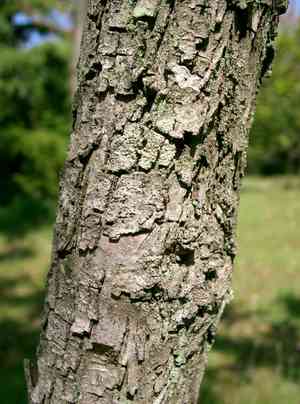
Dark brown to gray blocky bark with deep furrows and scales, resembling a jigsaw puzzle.
Scientific Classification of Jujube
Phylum
Vascular plants
Class
Dicotyledons
Order
Roses, elms, figs, and allies
Family
Buckthorn
Genus
Jujube
Species
Jujube
Planting and Growing of Jujube
Care Difficulty
Easy
Watering Schedule
Every 2 days
Sunlight Requirements
Full sun
Sunshine Duration
6-10 hours
Ideal Temperature
77-86℉
Soil Type
Potting Mix, Peat Mix
Soil pH
6-7.5
Fertilizer Type
Balanced
Pruning Season
Spring, Summer
Pruning Area
Branches, Leaves
Pruning Frequency
2 times a year
Repotting Season
Spring
Pot Type
Plastic, Ceramic
 How to Water Jujube?
Ziziphus jujuba prefers moderate watering, where the goal is to keep the soil consistently moist but not waterlogged. The key is to ensure you water enough to moisten the root zone deeply, but avoid leaving the soil overly saturated. Typically, around 500 ml per session is adequate.
More About Watering Techniques→
What are the symptoms of an underwatered Jujube?
›
What should I do if my Jujube is not getting enough water?
›
What are the symptoms of an overwatered Jujube?
›
How to save an overwatered Jujube?
›
 What Are the Sunlight Requirements for Jujube?
Ziziphus jujuba flourishes in a full to partial sunlight range, benefiting from at least six to eight hours of light. This exposure promotes optimal growth, vigorous health, and abundant fruiting.
More About Sunlight Requirements Techniques→
How much sunlight does Ziziphus jujuba need?
›
What are ways to achieve ideal light exposure?
›
What are the benefits of achieving ideal light conditions?
›
 What Is the Ideal Temperature Range for Jujube?
Ziziphus jujuba thrives best in an ideal temperature range of 77°F to 86°F. This range ensures optimal growth and development, supporting vigorous foliage and fruiting. Consistent warmth encourages metabolic processes within the plant, leading to abundant yields.
 What Soil is Best for Jujube?
Ziziphus jujuba thrives best in well-drained soil which prevents waterlogging. This is crucial to avoid root rot and ensures optimal oxygen availability to the roots, promoting healthy growth. Rich, loamy soil provides essential nutrients that are vital for the robust growth of Ziziphus jujuba. A nutrient-rich environment fosters strong plant immunity and enhances fruit production. Low salinity is a requirement as high salt content can hinder the plant's ability to absorb water and nutrients, leading to stunted growth and reduced fruit yield.
More About Soil→
 How to Fertilize Jujube?
For Ziziphus jujuba, it is essential to apply balanced fertilizers in moderation. Liquid fertilizers should be diluted to half the recommended strength, generally about 20ml per liter of water, to avoid nutrient burn. Solid fertilizers should be applied with 100-150 grams per application, distributed evenly around the root zone.
More About Fertilizing Techniques→
 How to Prune Jujube?
Start by inspecting the tree for any dead or diseased wood. Dead branches will often appear darker or missing bark. Carefully using clean and sharp pruning shears, cut back the dead wood to the nearest healthy junction to prevent disease spread and encourage new growth. To increase airflow and light penetration, thin out crowded branches. Look for branches that cross over each other or grow inward toward the trunk. Cut these branches back to their base or a lateral shoot that faces outward to keep the canopy open and balanced. Shape the tree by selectively trimming branches to form a rounded crown. Focus on achieving a balanced and aesthetically pleasing structure. This not only improves the tree's appearance but also supports better fruit production by ensuring even sunlight distribution. During the growing season, trim back new growth to encourage denser branching, which can ultimately boost fruit yield. Trim branch tips just above a leaf node or bud to spur new branch formation. This practice can also control the overall size and shape of the tree.
More About Pruning Techniques→
 How to Propagate Jujube plant?
1
To propagate Ziziphus jujuba via seeds, begin by collecting ripe fruit from the plant. Extract the seeds carefully, ensuring they are free from pulp. Rinse them with water to remove any sticky residue and allow them to dry before sowing.
2
Choose healthy stems from the parent plant for cutting propagation. Using pruning shears, cut segments that are about 10-15 cm long. Remove leaves from the lower half and dip the cut end in rooting hormone to enhance root development.
3
Grafting involves joining a section of Ziziphus jujuba to a rootstock. Common techniques include cleft grafting and splice grafting. Carefully make the cuts on both the scion and rootstock, align them precisely, and secure with grafting tape to ensure union and growth.
 How to Repot Jujube plant?
1
Repotting Ziziphus jujuba is best done in spring when you notice roots protruding from the drainage holes, a slowdown in growth, or if the soil becomes compacted and less effective at draining. Waiting until spring allows the tree to recover quickly and establishes itself during the prime growing season.
2
Select a pot that is about 2-4 inches larger in diameter than the current one, with adequate drainage holes. A slightly larger pot stimulates healthy growth, while good drainage prevents root rot, a common issue with jujube plants. Opt for a sturdy material to support the plant's weight and provide stability.
3
Choose well-draining loamy soil that is aerated yet retains sufficient moisture for steady growth. Loamy soil ensures a balance of minerals and organic matter, accommodating the plant's nutritional needs and preventing waterlogging, which could hinder the plant's development.
Learn More About Jujube Diseases
Anthracnose
Bacterial Leaf Spot
Crown Gall
Cyst Nematode
Damping-off
Drought Stress
Fusarium Wilt
Gray Mold
Leaf Curl
Leaf Spot
Mosaic
Nutrient Deficiency
Nutrient Toxicity
Powdery Mildew
Root Rot
Root-knot Nematode
Rusts
Sooty Mold
Spider Mites
Temperature Stress
Thrips Damage
White Mold
Chemical Injury



