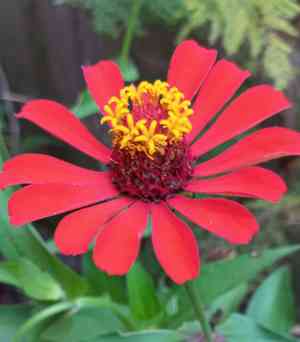
Zinnia peruviana (Zinnia peruviana)
Also known as: Peruvian Zinnia, Wild Zinnia
The Peruvian zinnia, known scientifically as Zinnia peruviana, belongs to the Asteraceae family and blooms annually. Its original habitats include North and South America.
In This Article
Attributes of Zinnia peruviana
Lifespan
Perennial
Plant Height
60-100 cm
Spread
30-40 cm
Leaf Color
Green
Flower Size
1-2 cm
Flower Color
Red
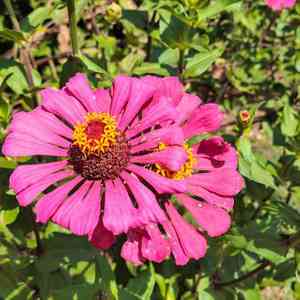
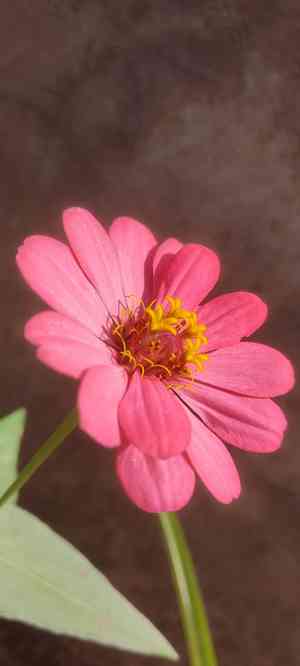
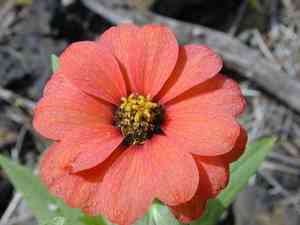
Images of Zinnia peruviana
Quickly Identify Zinnia peruviana
1
The plant can be identified by its red flowers which are about 1 to 2cm in diameter. The flowers have a cushion-like center and flat petals around the outside. The leaves of the plant are lance-shaped and around 7 to 10 cm long. The stems are erect and branched.
Scientific Classification of Zinnia peruviana
Phylum
Tracheophyta
Class
Magnoliopsida
Order
Asterales
Family
Asteraceae
Genus
Zinnia
Species
Z. peruviana
Planting and Growing of Zinnia peruviana
Care Difficulty
Easy
Watering Schedule
Every 4 days
Sunlight Requirements
Full sun
Sunshine Duration
4-8 hours
Ideal Temperature
65-77℉
Soil Type
Potting Mix, Peat Mix
Soil pH
6.5-7.5
Fertilizer Type
Balanced
Pruning Season
Spring, Summer
Pruning Area
Branches, Leaves
Pruning Frequency
2 times a year
Repotting Season
Spring
Pot Type
Plastic, Ceramic
 How to Water Zinnia peruviana?
Zinnia peruviana prefers evenly moist soil, but it shouldn't be soggy. Water the plant with approximately 250ml until the top 2-3 inches of soil are moist, allowing for proper drainage. This mimics natural rainfall and supports healthy root development.
What are the symptoms of an underwatered Zinnia peruviana?
›
What should I do if my Zinnia peruviana is not getting enough water?
›
What are the symptoms of an overwatered Zinnia peruviana?
›
How to save an overwatered Zinnia peruviana?
›
 What Are the Sunlight Requirements for Zinnia peruviana?
Zinnia peruviana prefers full sun exposure. Adequate light ensures maximum flower production, healthier growth, and vibrant colors. Full sun encourages a robust energy supply for photosynthesis, promoting thriving blossoms.
More About Sunlight Requirements Techniques→
What are the ideal sunlight conditions for Zinnia peruviana?
›
How can I ensure ideal light exposure for my Zinnia peruviana?
›
What benefits does Zinnia peruviana gain from optimal light exposure?
›
 What Is the Ideal Temperature Range for Zinnia peruviana?
For optimal growth, Zinnia peruviana thrives in temperatures ranging between 65°F and 77°F. This range ensures the plant receives adequate warmth for photosynthesis and growth processes without the risk of heat stress or cold damage.
 What Soil is Best for Zinnia peruviana?
Zinnia peruviana thrives in well-draining soil which prevents waterlogging and root rot. Well-draining soil ensures the roots receive adequate oxygen and nutrients, leading to healthy, vibrant plants. This plant benefits from a nutrient-rich medium, loaded with organic matter, which supports rapid and robust growth. The nutrients help the plant produce beautiful, colorful blooms. While requiring nutrients, Zinnia peruviana prefers soil with moderate fertility to avoid excessive foliage growth at the expense of its flowers. This balance is key to maintaining its flowering vigor.
 How to Fertilize Zinnia peruviana?
For Zinnia peruviana, a balanced, water-soluble fertilizer applied at half strength is recommended. Use about ¼ teaspoon per gallon of water to ensure that the nutrients are adequately delivered to the roots without overwhelming them.
 How to Prune Zinnia peruviana?
Begin by identifying flowers that have passed their prime. These will show signs of wilting or browning. Snip just above the next set of leaves down the stem, which encourages new growth below the cut point. Inspect the plant for any leggy or overly tall growth that disrupts the plant's natural shape. Trim these back to maintain a bushy, attractive form. Follow natural lines of growth for a more aesthetically pleasing result.
More About Pruning Techniques→
 How to Propagate Zinnia peruviana plant?
1
Begin by selecting a well-draining soil medium, enriched with organic compost, to provide the seeds with essential nutrients. Break up any large clumps and ensure the soil is moist but not waterlogged to offer an ideal environment for germination.
2
Evenly distribute the Zinnia peruviana seeds across the surface of the prepared soil. Cover them lightly with a thin layer of soil or vermiculite, taking care not to bury them too deep, as they require light to germinate successfully.
3
Water the seeds gently using a fine spray or mist to avoid dislodging them. Maintain consistent moisture by checking daily and watering as necessary until the seedlings emerge. Once established, reduce watering frequency to promote root strength.
 How to Repot Zinnia peruviana plant?
1
It's time to repot Zinnia peruviana when you notice signs like roots poking through the drainage holes, soil drying out rapidly, or the plant becoming top-heavy. Additionally, if growth appears stunted or the plant wilts soon after watering, it may indicate the need for a bigger space for the roots.
2
Select a pot that is 1-2 inches larger in diameter than the current one. Ensure it has adequate drainage holes to prevent water logging, which can lead to root rot. Using a slightly larger pot allows room for growth while preventing excessive soil moisture retention that can harm the roots.
3
Choose a well-draining potting mix with organic matter, such as peat or coco coir. This type of soil ensures good aeration and adequate moisture retention, providing an ideal growing medium for Zinnia peruviana without risking waterlogging or nutrient deficiency.
Learn More About Zinnia peruviana Diseases
Anthracnose
Bacterial Leaf Spot
Bacterial Wilt
Black Spot
Chemical Injury
Damping-off
Downy Mildew
Drought Stress
Fusarium Wilt
Gray Mold
Leaf Curl
Leaf Spot
Mosaic
Nutrient Deficiency
Nutrient Toxicity
Powdery Mildew
Root Rot
Root-knot Nematode
Rusts
Sooty Mold
Spider Mites
Temperature Stress
Thrips Damage
White Mold



