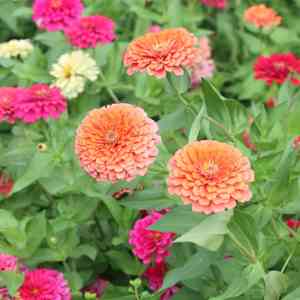
Common zinnia (Zinnia elegans)
Also known as: Youth-And-Old-Age, Youth and Old Age, Elegant zinnia, Zinnia
Common zinnias are popular garden plants known for their vibrant colors and ease of growth. They thrive best in:
1. **Full Sunlight:** Ensure they receive at least 6 hours of direct sunlight each day.
2. **Well-Drained Soil:** Preferably loamy or sandy soil with excellent drainage.
3. **Moderate Watering:** Keep the soil consistently moist but avoid overwatering.
4. **Warm Temperatures:** Ideal growing temperatures range from 70-85°F (21-29°C).
5. **Proper Spacing:** Ensure good air circulation by spacing plants adequately to prevent diseases.
Plant them in your garden after the last frost for optimal growth.
In This Article
Attributes of Common zinnia
Lifespan
Annual, Biennial
Plant Type
Herb
Plant Height
15 cm to 1 m
Spread
30 cm to 60 cm
Leaf Color
Green
Flower Size
5 cm to 7 cm
Flower Color
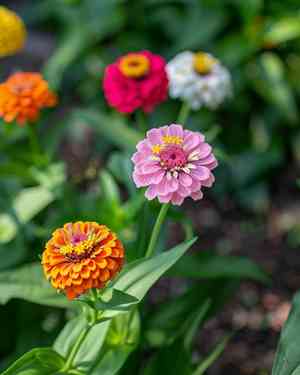
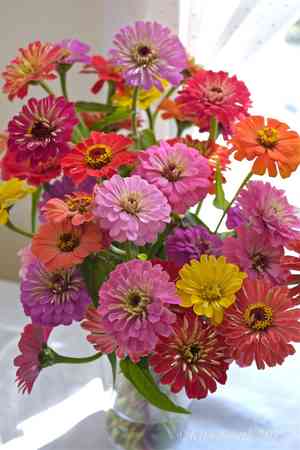
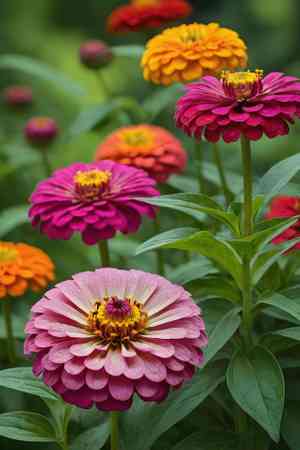
Yellow Red Orange White Purple Pink Green Cream Gold
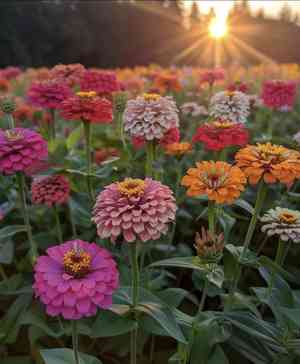
Images of Common zinnia
Quickly Identify Common zinnia
1
Robust stems reaching 8 inches to 3.3 feet (20 cm to 1 m) in height.
2
Solitary, composite flowers with petals ranging from white to deep red, 1 to 4 inches (2.5 to 10 cm) in diameter.
3
Large to gigantic flowers with heads 4-8 inches (10-20 cm) in diameter, excluding blue colors.
4
Obtuse, bicolored involucral bracts in semidouble to double flowers, with showy, reflexed ray flowers up to 8 inches (20 cm) long.
5
Opposite, sessile, ovate to elliptic leaves with entire margins, 2-4 inches (5-10 cm) wide, showcasing 5 prominent palmate veins.
Scientific Classification of Common zinnia
Phylum
Vascular plants
Class
Dicotyledons
Order
Asters bellflowers fanflowers and allies
Family
Daisy
Genus
Zinnias
Species
Common zinnia
Planting and Growing of Common zinnia
Care Difficulty
Easy
Watering Schedule
Every 8 days
Sunlight Requirements
Full sun
Sunshine Duration
6-8 hours
Ideal Temperature
65-75℉
Soil Type
Potting Mix, Peat Mix
Soil pH
6.5-7.5
Fertilizer Type
Balanced
Pruning Season
Spring, Summer
Pruning Area
Branches, Leaves
Pruning Frequency
2 times a year
Repotting Season
Spring
Pot Type
Plastic, Terracotta
 How to Water Common zinnia?
When watering Zinnia elegans, aim for about 250 ml per session, ensuring the soil is evenly moist but not waterlogged. You should allow the top two inches of soil to dry out between watering to prevent root rot and ensure the plant remains healthy.
More About Watering Techniques→
What are the symptoms of an underwatered Common zinnia?
›
What should I do if my Common zinnia is not getting enough water?
›
What are the symptoms of an overwatered Common zinnia?
›
How to save an overwatered Common zinnia?
›
 What Are the Sunlight Requirements for Common zinnia?
Zinnia elegans prefers full sun, meaning it requires at least 6 to 8 hours of sunlight daily. Ideal light conditions ensure prolific blooming and reduce the risks of disease by keeping the plant healthy and vigorous.
More About Sunlight Requirements Techniques→
What is the ideal lighting environment?
›
How can I ensure it gets the proper light exposure?
›
What are the benefits of ideal light conditions?
›
 What Is the Ideal Temperature Range for Common zinnia?
The ideal temperature range for Zinnia elegans lies between 65 and 75 degrees Fahrenheit. This range supports optimal growth and vibrant flowering, as Zinnias thrive in warm conditions. Consistent temperature within this range helps maintain healthy foliage and encourages prolific blooming. Maintaining this temperature range minimizes stress and maximizes the plant’s development potential.
 What Soil is Best for Common zinnia?
Zinnia elegans thrives in well-drained soils, where excess water can easily flow away. This prevents root rot and allows roots to absorb nutrients efficiently, leading to healthier and more vibrant growth. The plant benefits greatly from soils that are rich in organic matter. Organic content provides a steady supply of nutrients essential for strong stem and flower development, ensuring robust bloom cycles. While zinnias prefer well-drained soils, they also benefit from a moderate ability to retain moisture. This helps in keeping the plant hydrated during dry spells without waterlogging, maintaining a balance beneficial to their growth.
More About Soil→
 How to Fertilize Common zinnia?
Zinnia elegans, also known as the common zinnia, thrives with moderate fertilization. Generally, you should apply a balanced 10-10-10 NPK fertilizer. When using a liquid form, dilute it to half strength; about 1 tablespoon (15ml) mixed into 1 gallon (4 liters) of water is a good guideline. With slow-release granules, use about 1 to 1.5 teaspoons (5-7 grams) per plant.
More About Fertilizing Techniques→
 How to Prune Common zinnia?
Begin by inspecting the plant for spent blooms and dead or damaged stems. Use clean and sharp pruning shears to snip these off just above a leaf node. This promotes new growth and helps the plant focus energy on developing fresh blooms. Regularly check for any signs of disease, like discolored leaves or stems, and remove those parts immediately. This process should be carried out every two weeks during the growing seasons to maintain optimal health and appearance.
More About Pruning Techniques→
 How to Propagate Common zinnia plant?
1
Prior to planting, soak Zinnia elegans seeds in lukewarm water for a few hours to soften their tough outer shell, enhancing germination rates.
2
Use a well-draining potting mix enriched with organic matter to ensure optimal growing conditions for seedlings and cuttings.
3
Plant the seeds or cuttings in a warm, sunny location; ensure regular watering without waterlogging, and monitor for any signs of disease or pest activity.
 How to Repot Common zinnia plant?
1
Zinnia elegans should be repotted when you notice the roots are coming out of the drainage holes or when the plant appears cramped at the pot edges. Signs such as wilting leaves or stunted growth can also indicate it's time for a new home. Make sure to choose a warm day during spring or summer for repotting, as these seasons offer optimal growth conditions that can help your plant adapt more easily to its new environment.
2
Select a pot that is about 2 inches larger in diameter than the current one to give your Zinnia elegans room to grow. Ensure it has adequate drainage holes to prevent waterlogging, which can lead to root rot. A terracotta pot is an excellent choice as it allows excess moisture to evaporate through its porous walls, keeping the root system healthy.
3
Opt for a well-draining garden soil with a loamy texture to ensure good air circulation around the roots. This type of soil facilitates rapid water drainage while retaining sufficient moisture and nutrients. Adding a small amount of perlite or sand can enhance drainage, helping to prevent overwatering issues and keeping your Zinnia comfortable.



