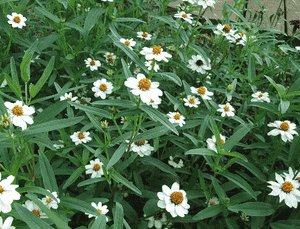
Narrow leaf zinnia (Zinnia angustifolia)
Also known as: Narrow-leaf zinnia, Zinnia, Youth-and-old-age
Dahlia is a flowering perennial plant native to Mexico and the southwestern United States. Widely favored in ornamental gardens, Dahlias are especially popular when hybridized with other varieties, producing an array of striking color combinations.
In This Article
Attributes of Narrow leaf zinnia
Lifespan
Annual, Perennial
Plant Type
Herb
Plant Height
50 cm
Spread
15 cm to 30 cm
Leaf Color
Green
Flower Size
3.5 cm to 5 cm
Flower Color
White Yellow Orange Red Brown
Images of Narrow leaf zinnia
Quickly Identify Narrow leaf zinnia
1
Compact cluster with a height of 8 to 16 inches (20 to 40 cm)
2
Opposite, sessile linear leaves, up to 1 inch (2.5 cm) wide
3
Vibrant solitary flowers with central disk and colorful ray florets
4
Composite flower heads, 1 inch (2.5 cm) diameter, on elongated peduncles
5
Yellow disc flowers and reflexed white or yellow ray florets up to 6 inches (15 cm)
Scientific Classification of Narrow leaf zinnia
Phylum
Vascular plants
Class
Dicotyledons
Order
Asters bellflowers fanflowers and allies
Family
Daisy
Genus
Zinnias
Species
Narrow leaf zinnia
Planting and Growing of Narrow leaf zinnia
Care Difficulty
Easy
Watering Schedule
Every 4 days
Sunlight Requirements
Full sun
Sunshine Duration
6-10 hours
Ideal Temperature
75-85℉
Soil Type
Potting Mix, Peat Mix
Soil pH
6.5-7.5
Fertilizer Type
Balanced
Pruning Season
Spring, Summer
Pruning Area
Branches, Leaves
Pruning Frequency
2 times a year
Repotting Season
Spring
Pot Type
Plastic, Ceramic
 How to Water Narrow leaf zinnia?
Zinnia angustifolia thrives on a moderate watering schedule. The aim is to keep the soil consistently moist without allowing it to become waterlogged. Ensure the soil absorbs all the water, which should slightly moisten the entire root zone.
What are the symptoms of an underwatered Narrow leaf zinnia?
›
What should I do if my Narrow leaf zinnia is not getting enough water?
›
What are the symptoms of an overwatered Narrow leaf zinnia?
›
How to save an overwatered Narrow leaf zinnia?
›
 What Are the Sunlight Requirements for Narrow leaf zinnia?
Full sun exposure is ideal. This optimal range ensures the plant develops strong, healthy blooms, vibrant leaf coloration, and supports active growth.
More About Sunlight Requirements Techniques→
What is the optimal location?
›
How to maximize light exposure?
›
What are the benefits of ideal lighting?
›
 What Is the Ideal Temperature Range for Narrow leaf zinnia?
The ideal temperature for growing Zinnia angustifolia ranges from 75°F to 85°F. These conditions mimic the warm climate that zinnias thrive in naturally, encouraging good growth and vibrant blooms. When temperatures fall within this range, zinnias are most healthy and can blossom to their full potential, exhibiting lush foliage and colorful flowers.
 What Soil is Best for Narrow leaf zinnia?
Zinnia angustifolia thrives in well-drained soil to prevent root rot. Proper drainage ensures that water doesn't stagnate around the roots, promoting healthy growth and vibrant blooms. This plant benefits from soil enriched with organic matter, which provides essential nutrients for optimal growth and flowering. It encourages a robust root system and more prolific blooms, enhancing the plant's overall vitality. The soil should retain enough moisture to keep the plant hydrated but not waterlogged. Moderate moisture retention ensures that the plant receives consistent watering, reducing the stress on its growth cycle.
 How to Fertilize Narrow leaf zinnia?
When applying fertilizer to Zinnia angustifolia, use a balanced liquid fertilizer diluted to half strength. For slow-release fertilizers, follow the package instructions for the appropriate amount, generally around 1-2 tablespoons per square foot. Be cautious not to over-fertilize as this can harm the plant.
 How to Prune Narrow leaf zinnia?
Begin by inspecting your Zinnia angustifolia for any dead or damaged stems. These stems should be removed first as they can host diseases and pests, affecting the overall health of the plant. Cut them back to the base or to a healthy part of the stem. To promote bushier growth, look for stems with faded blooms and cut them back to a set of leaves or a branching point. This encourages the plant to produce more side shoots and flowers, resulting in a fuller appearance.
More About Pruning Techniques→
 How to Propagate Narrow leaf zinnia plant?
1
Fill the seed tray with potting soil up to about an inch below the rim. Gently tap the tray on a flat surface to settle the soil, ensuring a firm bed for planting.
2
Sprinkle Zinnia angustifolia seeds evenly across the surface of the soil in the prepared seed tray. Cover them lightly with a thin layer of soil about 1/4 inch thick to provide protection and encourage germination.
3
Moisten the soil gently with a spray bottle to ensure seeds are not disturbed. Maintain consistent moisture by checking the soil daily, avoiding both over-watering and drought.
 How to Repot Narrow leaf zinnia plant?
1
Zinnia angustifolia should be repotted when you notice that the roots are becoming cramped in the pot. A signal to repot is when the plant shows slowed growth or yellowing of leaves, indicating that it has outgrown its current container and needs more space for root expansion. Ideally, consider repotting in spring or early summer to give the plant the best conditions to thrive in its new pot.
2
When selecting a pot for Zinnia angustifolia, look for one that is roughly an inch or two larger in diameter than the current pot. The pot should have good drainage holes to prevent root rot, which is vital for maintaining healthy plants. A slightly larger pot allows room for growth without overwhelming the plant with too much space where water can collect.
3
Opt for a well-draining potting mix with a balanced mix of peat, perlite, and sand to allow adequate aeration and prevent water accumulation. Zinnias thrive in soil that facilitates easy root growth and ensures roots are not sitting in wet conditions, reducing the risk of fungal infections.



