Zingiber striolatum (Zingiber striolatum)
Also known as: Striped Ginger
**Zingiber striolatum** is a tropical perennial herb celebrated for its distinctive banded foliage. Emerging from robust rhizomes, its leaves exhibit a striking pattern of alternating light and dark green streaks. This plant thrives in warm, humid conditions and prefers areas with dappled sunlight. Occasionally, it produces unique yellow flowers, enhancing its decorative value and making it a popular choice for subtropical gardens.
In This Article
Attributes of Zingiber striolatum
Lifespan
Perennial
Plant Type
Herb
Plant Height
1 to 1.5 meters
Spread
Approximately 0.5 meters
Leaf Color
Green with yellow or white stripes
Flower Size
2 to 3 centimeters
Flower Color
Yellow with red markings
Images of Zingiber striolatum
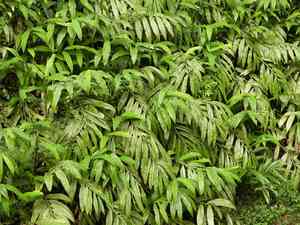
Quickly Identify Zingiber striolatum
1
Look for its unique striped leaves and clusters of yellow flowers with red markings.
Scientific Classification of Zingiber striolatum
Phylum
Vascular plants
Class
Monocotyledons
Order
Gingers, bananas, and allies
Family
Ginger
Genus
Gingers
Species
Zingiber striolatum
Planting and Growing of Zingiber striolatum
Care Difficulty
Moderate
Watering Schedule
Every 2 days
Sunlight Requirements
Partial sun
Sunshine Duration
4-8 hours
Ideal Temperature
63-77℉
Soil Type
Potting Mix, Peat Mix
Soil pH
6.5-7.5
Fertilizer Type
Balanced
Pruning Season
Spring, Summer
Pruning Area
Branches, Leaves
Pruning Frequency
2 times a year
Repotting Season
Spring
Pot Type
Terracotta, Plastic
 How to Water Zingiber striolatum?
For Zingiber striolatum, water the plant until the soil is evenly moist but not soggy, approximately 250 ml per session. Always ensure the excess water drains well to prevent root rot.
What are the symptoms of an underwatered Zingiber striolatum?
›
What should I do if my Zingiber striolatum is not getting enough water?
›
What are the symptoms of an overwatered Zingiber striolatum?
›
How to save an overwatered Zingiber striolatum?
›
 What Are the Sunlight Requirements for Zingiber striolatum?
Partial sunlight conditions are ideal for Zingiber striolatum, as they enhance leaf coloration and promote healthy growth patterns that support the plant’s overall health and flowering potential.
What type of sunlight does Zingiber striolatum prefer?
›
How can you achieve these ideal lighting conditions for Zingiber striolatum?
›
What are the benefits if Zingiber striolatum receives optimal light?
›
 What Is the Ideal Temperature Range for Zingiber striolatum?
For optimal growth and development of Zingiber striolatum, it is best to maintain the temperature between 63°F and 77°F. This range closely mimics the plant's natural habitat, allowing it to thrive and produce vibrant foliage. Adequate warmth typically ensures proper photosynthesis rates and overall plant health.
 What Soil is Best for Zingiber striolatum?
Zingiber striolatum thrives in well-drained soil, which prevents waterlogging. This type of soil helps avoid root rot and allows the plant to absorb nutrients efficiently, ultimately leading to healthier growth. While the plant requires consistent moisture, it doesn't tolerate soggy conditions. Maintaining moderate moisture levels in the soil is crucial for ensuring proper nutrient uptake and healthy rhizome development. Adding organic matter to the soil enhances its fertility and texture, supporting the plant's nutritional needs. This practice boosts the plant's overall vigor and promotes robust blooms.
 How to Fertilize Zingiber striolatum?
For Zingiber striolatum, optimal fertilization requires moderate quantities. When applying liquid fertilizer, a solution diluted to about one-quarter of the recommended strength on the fertilizer label is ideal. Use just enough to moisten the soil evenly, avoiding waterlogging. When using slow-release fertilizers, a small handful spread evenly around the plant base will suffice. Keep it about 2 inches from the stem to prevent any potential damage.
 How to Prune Zingiber striolatum?
Begin by assessing the plant for any dead, damaged, or diseased stems. Using clean, sharp pruning shears, carefully cut these stems back to healthy tissue. Next, thin out any overcrowded areas to improve light penetration and air circulation, which is crucial for the plant's health and growth. Aim for a balanced shape to enhance aesthetic appeal and structural integrity. For those looking to achieve a specific shape or size, you may employ techniques such as tip pruning or heading. Tip pruning involves cutting back the tips of stems to encourage bushier growth, whereas heading is used to reduce the size by trimming larger sections back to a lateral branch. Both methods should be done with precision to avoid harming the plant.
 How to Propagate Zingiber striolatum plant?
1
Before dividing the rhizomes, ensure they are healthy and disease-free. Gently clean them with water to remove any soil and inspect for any signs of rot or pest damage.
2
Plant seeds or rhizome divisions in well-draining soil. Place divisions with the eyes facing upwards and cover with a layer of soil. Water gently to settle the soil around the planting material.
3
Maintain consistent soil moisture without waterlogging. Keep the soil warm, ideally between 20-25°C, which facilitates successful seed germination and growth of divisions.
 How to Repot Zingiber striolatum plant?
1
Zingiber striolatum should be repotted when you notice roots growing out of the bottom of the pot or when the growth slows down significantly, indicating the plant is root-bound. The best time to do this is during early spring or summer when the plant is actively growing. This timing ensures that the plant can quickly recover and adapt to its new pot.
2
Select a pot that is approximately two inches larger in diameter than the current one. Ensure it has good drainage holes to prevent waterlogging, which can lead to root rot. A well-chosen pot gives the roots room to expand without overwhelming them with too much space, promoting healthy growth.
3
Opt for well-draining, rich compost with organic matter. This choice ensures that the roots receive adequate air circulation and nutrients necessary for the plant's development. Overly compact soils lead to poor drainage and can stifle root health, so a light, crumbly texture is ideal.
Learn More About Zingiber striolatum Diseases
Anthracnose
Bacterial Leaf Spot
Bacterial Soft Rot
Bacterial Wilt
Damping-off
Downy Mildew
Fusarium Wilt
Gray Mold
Leaf Spot
Mosaic
Powdery Mildew
Root Rot
Root-knot Nematode
Rusts
Sooty Mold
White Mold
Chemical Injury
Drought Stress
Nutrient Deficiency
Nutrient Toxicity
Temperature Stress
Spider Mites
Thrips Damage



