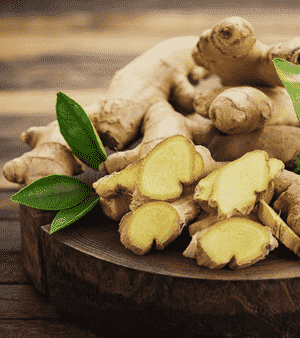
Zingiber officinale (Zingiber officinale)
Also known as: Ginger, Garden Ginger
Zingiber officinale, commonly known as ginger, is a flowering plant whose rhizome, ginger root or ginger, is widely used as a spice and a folk medicine. It is a herbaceous perennial which grows annual pseudostems about a meter tall bearing narrow leaf blades.
In This Article
Attributes of Zingiber officinale
Lifespan
Zingiber officinale, commonly known as ginger, is a perennial plant that can grow up to two years under favorable conditions.
Plant Height
60 - 120 cm
Spread
Not Applicable
Leaf Color
Green
Flower Size
1 - 1.5 cm
Flower Color
Yellow-Green with purple edges
Images of Zingiber officinale
Quickly Identify Zingiber officinale
1
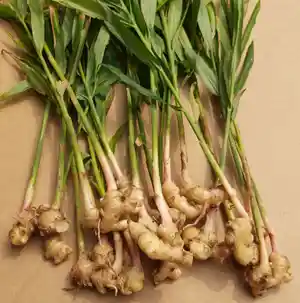
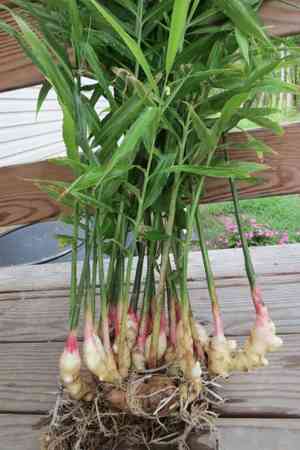
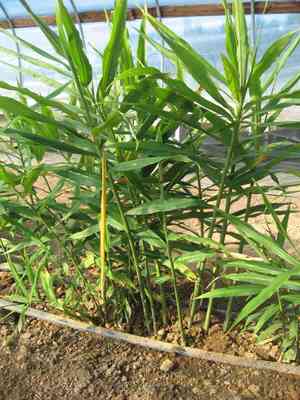
Look for the distinctive ribbed green leaves that grow in an alternate pattern along the unbranched stalk. The plant also produces three-petaled flowers that are pale yellow to green with purple edges. The rhizomes have thick lobed fingers and a characteristic, refreshing scent.
Scientific Classification of Zingiber officinale
Phylum
Tracheophyta
Class
Magnoliopsida
Order
Zingiberales
Family
Zingiberaceae
Genus
Zingiber
Species
officinale
Planting and Growing of Zingiber officinale
Care Difficulty
Easy
Watering Schedule
Every 3 days
Sunlight Requirements
Partial sun
Sunshine Duration
4-8 hours
Ideal Temperature
68-86℉
Soil Type
Potting Mix, Peat Mix
Soil pH
5.5-6.5
Fertilizer Type
Balanced
Pruning Season
Spring, Summer
Pruning Area
Branches, Leaves
Pruning Frequency
2 times a year
Repotting Season
Spring
Pot Type
Plastic, Ceramic
 How to Water Zingiber officinale?
Zingiber officinale, commonly known as ginger, requires a careful balance when it comes to watering. The goal is to keep the soil consistently moist but not waterlogged. Pour approximately 250 milliliters of water, ensuring the water reaches the root zone and avoiding sitting water to prevent root rot.
More About Watering Techniques→
What are the symptoms of an underwatered Zingiber officinale?
›
What should I do if my Zingiber officinale is not getting enough water?
›
What are the symptoms of an overwatered Zingiber officinale?
›
How to save an overwatered Zingiber officinale?
›
 What Are the Sunlight Requirements for Zingiber officinale?
Zingiber officinale thrives in partial sun, receiving 2-5 hours of indirect sunlight daily. Adequate light encourages vibrant foliage and high-quality rhizome development, crucial for both culinary and medicinal uses.
More About Sunlight Requirements Techniques→
Light Intensity
›
Light Duration
›
Seasonal Adjustments
›
 What Is the Ideal Temperature Range for Zingiber officinale?
The ideal temperature range for growing Zingiber officinale, commonly known as ginger, is between 68°F and 86°F. This tropical plant thrives in warm climates and requires consistently warm temperatures to ensure optimal growth and development. Maintaining this temperature range helps the plant in photosynthesis and nutrient absorption, leading to healthier and more robust growth.
 What Soil is Best for Zingiber officinale?
Zingiber officinale thrives in well-drained soil to prevent root rot and promote healthy growth. The loose texture allows for adequate air and water flow, essential for the rhizomes. While good drainage is key, the soil must retain enough moisture to keep ginger roots hydrated. Consistent moisture helps in the development of juicy, flavorful roots. This plant prefers a rich soil with good organic matter content. Nutrients support vigorous growth, strong rhizomes, and increase resistance to pests and diseases.
More About Soil→
 How to Fertilize Zingiber officinale?
When fertilizing Zingiber officinale, it's crucial to avoid overfeeding. Use a balanced liquid fertilizer, like a 10-10-10, diluted to half strength. Only about 1-2 tablespoons per plant every two weeks during the growing season is needed for optimal health.
More About Fertilizing Techniques→
 How to Prune Zingiber officinale?
Begin by inspecting the plant for any dead, damaged, or diseased stems. Use sterilized sharp scissors to cut these back to the base. Focus on thinning out crowded areas to improve aeration and encourage new growth. Avoid removing more than one-third of the plant at a time to prevent stress. To shape your ginger plant, cut back any wayward stems to maintain an attractive form. This is particularly important for potted plants, as it keeps them manageable and aesthetically pleasing. Aim to create a balanced look by evenly trimming around the plant. Focus on cutting back taller shoots to direct energy towards the rhizomes. This will help them develop better underground. Be sure to check the soil and remove any debris to ensure maximum nutrient absorption and robust root growth.
More About Pruning Techniques→
 How to Propagate Zingiber officinale plant?
1
Select healthy and mature rhizomes for division. Choose rhizomes that have visible eyes or buds, as these are indicators of potential growth points for new plants.
2
Carefully use a sharp knife to divide the rhizome into sections, ensuring each section has at least one eye or bud. This step is critical to ensure the sections have the ability to grow into independent plants.
3
Plant each divided section into well-draining soil at the appropriate depth. Make sure to water the divisions slightly to establish initial moisture, supporting the formation of roots and shoots.
 How to Repot Zingiber officinale plant?
1
Zingiber officinale, commonly known as ginger, should be repotted when you notice the roots are coming out of the drainage holes or when the soil is compacted and not retaining moisture properly. It's a sign that the plant needs more room to grow and fresh nutrients.
2
Select a pot that is one size larger than the current one, with good drainage holes. A slightly larger pot gives the plant enough space to grow without overwhelming the roots with excess soil. This ensures healthy root development and prevents waterlogging.
3
Opt for a well-draining potting mix rich in organic matter. This type of soil provides essential nutrients while ensuring excess water drains away, reducing the risk of root rot. A balanced soil mix promotes healthy growth and robust rhizome development.
Learn More About Zingiber officinale Diseases
Anthracnose
Bacterial Leaf Spot
Bacterial Soft Rot
Bacterial Wilt
Chemical Injury
Damping-off
Downy Mildew
Drought Stress
Fusarium Wilt
Gray Mold
Leaf Spot
Mosaic
Nutrient Deficiency
Nutrient Toxicity
Powdery Mildew
Root Rot
Root-knot Nematode
Sooty Mold
Spider Mites
Temperature Stress
Thrips Damage
White Mold



