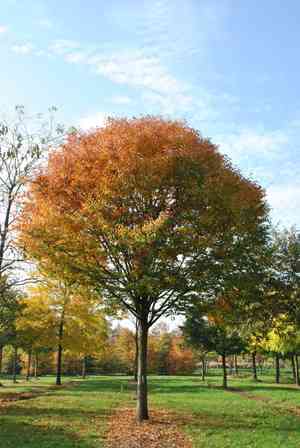
Japanese zelkova (Zelkova serrata)
Also known as: Saw-leaf zelkova, Keyaki
This dense shade tree is particularly useful for planting near streets and in parking lots and lawns. It is also popularly used as a bonsai tree. Japanese zelkova is resistant to Dutch elm disease and has therefore been increasingly used in place of American elms.
In This Article
Attributes of Japanese zelkova
Lifespan
Perennial
Plant Type
Tree
Plant Height
15 m to 30 m
Spread
15 m to 24 m
Leaf Color
Green Orange Yellow Red
Flower Size
2.5 cm
Flower Color
Green
Images of Japanese zelkova
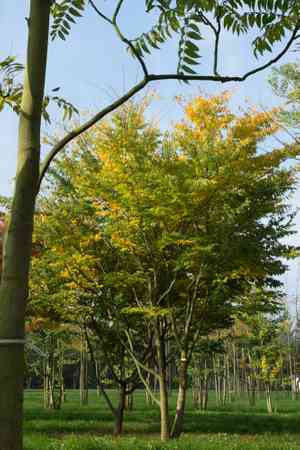
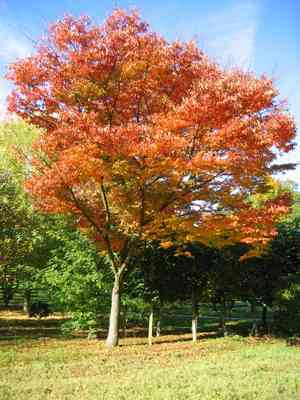
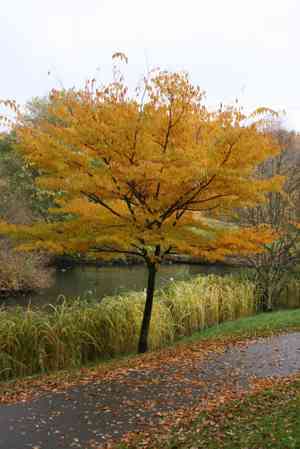
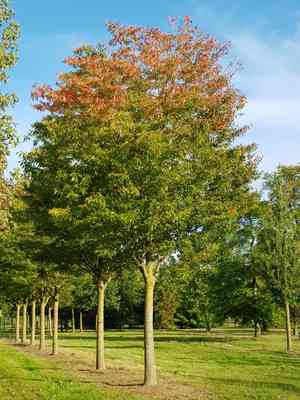
Quickly Identify Japanese zelkova
1
Distinct serrated leaves providing a saw-like appearance.
2
Smooth bark exfoliating to reveal orange-brown inner layer.
3
Ovoid, reniform fruit with twin diminutive beaks.
4
Simple, oblong-elliptic leaves with acute teeth.
5
Unique honeycomb-patterned bark peeling in patches.
Scientific Classification of Japanese zelkova
Phylum
Vascular plants
Class
Dicotyledons
Order
Rosales
Family
Elm
Genus
Zelkova
Species
Japanese zelkova
Planting and Growing of Japanese zelkova
Care Difficulty
Easy
Watering Schedule
Every 4 days
Sunlight Requirements
Full sun
Sunshine Duration
6-10 hours
Ideal Temperature
59-77℉
Soil Type
Potting Mix, Peat Mix
Soil pH
6-7.5
Fertilizer Type
Balanced
Pruning Season
Spring, Summer
Pruning Area
Branches, Leaves
Pruning Frequency
2 times a year
Repotting Season
Spring
Pot Type
Plastic, Ceramic
 How to Water Japanese zelkova?
For Zelkova serrata, each watering session should moisten the soil thoroughly without leaving it soggy; aim for about 500 ml per watering. The goal is to allow the water to reach the roots, ensuring even distribution throughout the soil. Soil should feel damp to the touch but not soaked.
More About Watering Techniques→
What are the symptoms of an underwatered Japanese zelkova?
›
What should I do if my Japanese zelkova is not getting enough water?
›
What are the symptoms of an overwatered Japanese zelkova?
›
How to save an overwatered Japanese zelkova?
›
 What Are the Sunlight Requirements for Japanese zelkova?
Partial to full sun exposure maximizes photosynthesis and enhances growth. Ideal light conditions foster rich coloration and vigorous branching.
More About Sunlight Requirements Techniques→
Optimal Light Exposure
›
Solution for Best Light Conditions
›
Effects of Ideal Light
›
 What Is the Ideal Temperature Range for Japanese zelkova?
Zelkova serrata thrives optimally in a temperature range between 59°F and 77°F. This range ensures proper growth and health, offering just the right amount of warmth without stressing the plant. The plant acclimatizes well in temperate zones that do not experience extreme temperature fluctuations.
 What Soil is Best for Japanese zelkova?
Zelkova serrata thrives in soil rich in organic matter as it provides essential nutrients and enhances water retention, crucial for the tree's health and growth. The tree requires well-draining soil to prevent waterlogging, which can lead to root rot. Proper drainage ensures healthier root development. While Zelkova serrata is adaptable, it prefers soils that retain moderate moisture, which supports its vigorous growth and prevents stress during dry spells.
More About Soil→
 How to Fertilize Japanese zelkova?
Zelkova serrata prefers moderate fertilization. Apply a balanced liquid fertilizer with a ratio of 10-10-10 at a concentration of 1/4 to 1/2 the recommended strength every two weeks during the growing season. Be cautious not to over-fertilize, as it can harm the plant.
More About Fertilizing Techniques→
 How to Prune Japanese zelkova?
Begin by inspecting the tree for any dead, diseased, or damaged branches. Carefully cut these back to the nearest healthy part of the tree to prevent disease spread. Selectively remove overcrowded branches to improve light penetration and air circulation within the canopy. Focus on crossing branches or those growing inward. Establish an attractive and balanced shape by shortening long branches that disrupt the overall form. Cut back to a lateral branch or bud pointing in a desired direction.
More About Pruning Techniques→
 How to Propagate Japanese zelkova plant?
1
Gather seeds from mature Zelkova serrata trees in autumn. Ensure the seeds are healthy and free from any visible signs of disease or pest infestation.
2
Select healthy branches from the tree. Make a clean cut just below a node using sterilized pruning shears. Each cutting should be 15-20 cm long with several leaves attached.
3
Plant seeds in trays filled with a well-draining seed-starting mix. For cuttings, dip the cut end in rooting hormone before planting in potting mix. Ensure the medium remains moist but not waterlogged.
 How to Repot Japanese zelkova plant?
1
Look for roots poking through the drainage holes, soil compacted and hard, or slow growth despite proper care. These signs indicate it's time to provide Zelkova serrata a fresh potting environment and space to grow.
2
Choose a pot that's one to two inches larger in diameter than the current one. Ensure it has sufficient drainage holes. This prevents waterlogging, mimicking its natural preference for dry conditions and allowing room for root expansion.
3
Opt for well-draining loamy soil. It retains moisture without becoming waterlogged, giving the tree the right balance of moisture and aeration, similar to its native habitat. It helps maintain healthy root systems.



