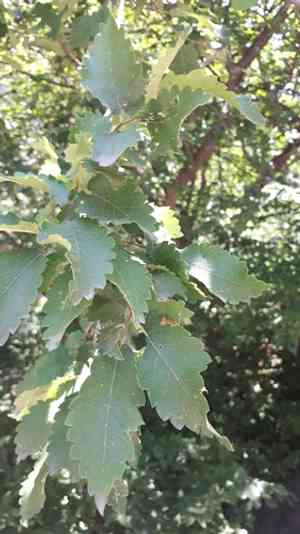
Caucasian elm (Zelkova carpinifolia)
Also known as: Caucasian Zelkova, Caucasian Elm
The crown is a highly distinctive vase-shape, with a short broad trunk dividing low down into numerous nearly erect branches. The leaves are alternate, 4 to 10 cm long and 2.5 to 6 cm broad, the margin bluntly serrated with 7–12 teeth on each side. The flowers are inconspicuous and greenish, with no petals, and are wind-pollinated. The fruit is a small nutlet 4.5 to 6 mm in diameter.
In This Article
Attributes of Caucasian elm
Lifespan
Perennial
Plant Type
Tree
Plant Height
30 m
Spread
25 m
Leaf Color
Green Orange Brown
Flower Size
Small and inconspicuous, less than 1 cm
Flower Color
Green
Quickly Identify Caucasian elm
1
Zelkova carpinifolia can be recognized by its broad, ovate leaves with a serrated edge and distinct venation. The bark is smooth and grayish, becoming secondary with age. The tree also features small, inconspicuous flowers and nut-like drupe fruits.
Scientific Classification of Caucasian elm
Phylum
Vascular plants
Class
Dicotyledons
Order
Rosales
Family
Elm
Genus
Zelkova
Species
Caucasian elm
Planting and Growing of Caucasian elm
Care Difficulty
Easy
Watering Schedule
Every 2 days
Sunlight Requirements
Partial sun
Sunshine Duration
6-10 hours
Ideal Temperature
59-77℉
Soil Type
Potting Mix, Peat Mix
Soil pH
6-7.5
Fertilizer Type
Balanced
Pruning Season
Spring, Summer
Pruning Area
Branches, Leaves
Pruning Frequency
2 times a year
Repotting Season
Spring
Pot Type
Plastic, Ceramic
 How to Water Caucasian elm?
Zelkova carpinifolia, known for its robust nature, requires a watering amount of about 500 ml per session. Ensure the soil is moistened thoroughly but not soaked, allowing excess water to drain to prevent root rot. Aim to achieve consistently moist soil without waterlogging.
What are the symptoms of an underwatered Caucasian elm?
›
What should I do if my Caucasian elm is not getting enough water?
›
What are the symptoms of an overwatered Caucasian elm?
›
How to save an overwatered Caucasian elm?
›
 What Are the Sunlight Requirements for Caucasian elm?
Zelkova carpinifolia's ideal light range involves partial sun to full sun exposure. This balanced lighting ensures the plant receives sufficient energy for vigorous growth while minimizing the risk of potential heat damage or light stress.
What is the ideal lighting condition for Zelkova carpinifolia?
›
How can I ensure Zelkova carpinifolia gets the ideal lighting condition?
›
What benefits will Zelkova carpinifolia receive from ideal lighting conditions?
›
 What Is the Ideal Temperature Range for Caucasian elm?
The ideal temperature range for growing Zelkova carpinifolia lies between 59°F and 77°F. This range ensures optimal growth conditions, promoting healthy leaf development and overall vitality. Consistently maintaining this temperature range supports the plant's metabolic processes efficiently.
 What Soil is Best for Caucasian elm?
Zelkova carpinifolia thrives in well-draining soils that prevent waterlogging. A well-draining substrate ensures roots get adequate air and prevents root rot, promoting healthier growth. This species prefers soil with moderate fertility levels. Adequate nutrients enhance its growth and help maintain its lush foliage without overwhelming the plant with excess minerals. Zelkova carpinifolia does best in slightly acidic to neutral soils with a pH between 6.0 and 7.5. This pH range optimizes nutrient uptake and supports robust growth.
 How to Fertilize Caucasian elm?
For Zelkova carpinifolia, an appropriate amount of liquid fertilizer would be about 1/2 strength of the recommended dosage on the fertilizer package. Ensure the soil is moist before applying liquid fertilizers to avoid root burn. For slow-release fertilizers, use around 100-150 grams per square meter, spreading it evenly around the base of the tree.
 How to Prune Caucasian elm?
Begin by identifying any dead or diseased wood. Cut these branches back to the main trunk or to a healthy bud. Removing deadwood not only enhances the plant's appearance but also reduces the likelihood of disease spreading. Look for areas where branches are rubbing against each other. Thin out these sections to improve air circulation. This step is crucial for preventing fungal diseases and gives the tree a more balanced, open canopy. Shape the tree’s canopy by cutting back overly long or stray branches. This helps maintain the tree's elegant, vase-like structure. Always cut back to a bud pointing in the direction you want the branch to grow.
More About Pruning Techniques→
 How to Propagate Caucasian elm plant?
1
Select healthy stems, ideally semi-hardwood, and cut them at a 45-degree angle to maximize the surface area for rooting. Remove any leaves from the bottom half to reduce moisture loss.
2
Dip the cut end of each cutting into rooting hormone to enhance root development. Different concentrations are available depending on the hardness of the wood; consult the product guide for appropriate use.
3
Insert the prepared cuttings into a well-draining propagation mix, leaving space between each to avoid crowding. Firm the soil around the base of the cuttings to ensure stability.
 How to Repot Caucasian elm plant?
1
Zelkova carpinifolia should be repotted when roots show through the bottom of the pot, or when growth slows noticeably. The best signal is when the plant looks visibly crowded and water drains more slowly.
2
Select a pot slightly larger than the current one, with good drainage holes. A larger pot promotes healthy root growth, while adequate drainage prevents waterlogging and root rot.
3
Choose well-draining soil that retains some moisture but doesn’t stay soggy. This prevents waterlogging, ensuring roots have adequate air circulation while minimizing the risk of root diseases.



