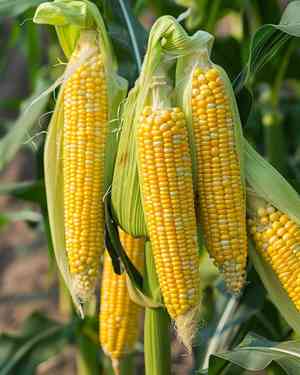
Maize (Zea mays)
Also known as: Indian corn, Flint corn
Maize, also known as corn, is a domesticated cereal grain that originated in Mexico. It has become the most widely grown grain globally, outpacing both wheat and rice in terms of cultivation. Due to its sensitivity to cold, maize is typically planted in the spring.
In This Article
Attributes of Maize
Lifespan
Annual, Biennial
Plant Type
Grass
Plant Height
1 m to 4 m
Spread
30 cm to 60 cm
Leaf Color
Green Variegated
Flower Size
10 cm to 25 cm
Flower Color
Yellow Gold
Images of Maize
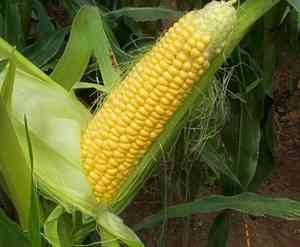
Quickly Identify Maize
1
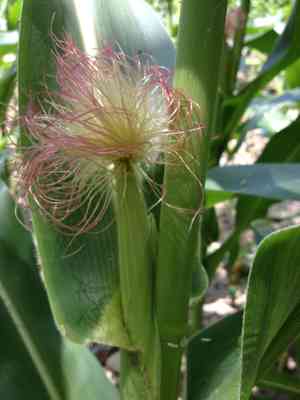
Distinct sexual dimorphism in flowers with tassels and ears
2
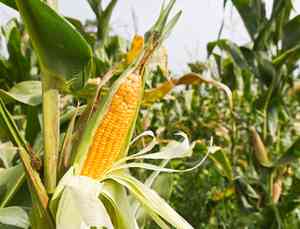
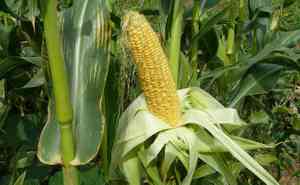
Kernels in various colors (yellow, white, red, and blue)
3
Large lanceolate leaves with waxy surface and parallel venation
4
Robust annual plant with erect stem, reaching over 6 feet (183 cm)
5
Harvestable maturity within 70-200 days post-planting, depending on cultivar
Scientific Classification of Maize
Phylum
Vascular plants
Class
Monocotyledons
Order
Grasses, sedges and allies
Family
Grass
Genus
Zea
Species
Maize
Planting and Growing of Maize
Care Difficulty
Easy
Watering Schedule
Every 8 days
Sunlight Requirements
Full sun
Sunshine Duration
6-8 hours
Ideal Temperature
60-95℉
Soil Type
Potting Mix, Peat Mix
Soil pH
6-7.5
Fertilizer Type
Balanced
Pruning Season
Spring, Summer
Pruning Area
Branches, Leaves
Pruning Frequency
2 times a year
Repotting Season
Spring
Pot Type
Plastic, Ceramic
 How to Water Maize?
For Zea mays, the watering amount should be around 500 milliliters each time. This amount ensures that water reaches the root zone effectively without causing waterlogging. The principle here is to water deeply, so the moisture is absorbed thoroughly, but make sure the soil doesn't stay soggy.
What are the symptoms of an underwatered Maize?
›
What should I do if my Maize is not getting enough water?
›
What are the symptoms of an overwatered Maize?
›
How to save an overwatered Maize?
›
 What Are the Sunlight Requirements for Maize?
Corn thrives under full sun conditions, ideally requiring 8 to 10 hours of daily sunlight. This optimal light exposure improves chlorophyll synthesis, fosters robust growth, and increases the likelihood of a bountiful harvest.
More About Sunlight Requirements Techniques→
What is the ideal lighting condition for Zea mays?
›
How can I achieve ideal lighting for Zea mays?
›
What benefits does optimal light provide to Zea mays?
›
 What Is the Ideal Temperature Range for Maize?
The ideal temperature range for growing Zea mays is between 60°F and 95°F. This range provides the optimal conditions for photosynthesis, nutrient absorption, and overall plant development, resulting in healthy growth and maximum yield potential.
 What Soil is Best for Maize?
Zea mays thrives in soil that allows excess water to drain effectively, preventing root rot and nutrient leaching. Proper drainage supports robust growth and a healthy root system, crucial for nutrient uptake and plant stability. Corn requires soil rich in organic matter to supply essential nutrients and improve soil structure. Organic amendments enhance soil fertility and promote microbial activity, leading to a more productive crop yield. Consistent moisture levels are vital for Zea mays, ensuring steady growth and optimal development. Excessive dryness can stress the plant and reduce yield, while overwatering can cause suffocation of roots.
More About Soil→
 How to Fertilize Maize?
Zea mays, commonly known as corn or maize, requires a balanced supply of nutrients, especially nitrogen, phosphorus, and potassium. Apply about 1/2 cup (around 120 grams) of 10-10-10 NPK granular fertilizer per 10 square feet (approximately 1 square meter) of soil at planting time, then supplement with additional feedings during its growing season.
 How to Prune Maize?
Begin by examining your corn plants for any leaves or stalks that appear to be damaged, diseased, or dried out. Use a clean, sharp pair of pruning shears to remove these parts. Focus on the lower leaves that no longer receive adequate sunlight and are more prone to disease. Be gentle to avoid damaging the main stalk or healthy parts of the plant. Regularly disposing of debris and plant waste helps prevent the spread of diseases and pests.
 How to Propagate Maize plant?
1
Choose high-quality seeds from a reputable source to ensure successful germination. This step is crucial as it determines the viability and quality of the plants, with good seeds leading to healthy growth.
2
Sow seeds in a seed tray filled with a light potting mix. Plant them at a depth of about 1-2 inches, ensuring adequate space between each seed to prevent overcrowding and to promote optimal growth conditions.
3
Once the seedlings have developed several true leaves, transplant them into larger pots or directly into the field. Handle the seedlings carefully to avoid damaging the roots and water them immediately after transplanting.
 How to Repot Maize plant?
1
Look for signs such as roots growing through the drainage holes, the plant becoming root-bound, or the soil drying out too quickly. These indicate it's time to repot your Zea mays. The ideal time to do so is during the growth season when the plant can recover quickly.
2
Select a pot that is one size larger than the current pot. Opt for containers with ample drainage holes to prevent waterlogging. A well-chosen pot aids in healthy root development and reduces the risk of root rot, thus promoting robust plant growth.
3
Choose well-drained, loamy soil to provide adequate aeration and moisture retention. The right soil ensures optimal nutrient absorption and minimizes water retention issues, facilitating healthier and more vigorous development of your Zea mays.
Learn More About Maize Diseases
Anthracnose
Bacterial Leaf Spot
Bacterial Soft Rot
Bacterial Wilt
Cyst Nematode
Damping-off
Downy Mildew
Drought Stress
Fusarium Wilt
Gray Mold
Leaf Spot
Mosaic
Nutrient Deficiency
Nutrient Toxicity
Powdery Mildew
Root Rot
Root-knot Nematode
Rusts
Sooty Mold
Spider Mites
Temperature Stress
Thrips Damage
White Mold



