
Szechuan Pepper (Zanthoxylum simulans)
Also known as: Sichuan pepper, Flatspine prickly ash, Prickly ash
One reason for the popularity of Szechuan Pepper as an ornamental plant is its appealing, ash-like foliage and its pleasant aroma, which comes from its fruit, bark, and leaves. This fragrance contributes significantly to its widespread use in gardens. Additionally, its nickname "Chinese pepper" stems from its common use as a pepper substitute in Asian cuisine.
In This Article
Attributes of Szechuan Pepper
Lifespan
Perennial
Plant Type
Tree, Shrub
Plant Height
8 m to 15 m
Spread
3 m to 7 m
Leaf Color
Green
Flower Size
4 mm to 5 mm
Flower Color
Green Yellow
Images of Szechuan Pepper

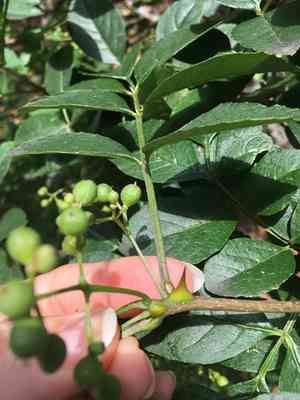
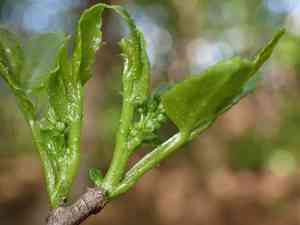
Quickly Identify Szechuan Pepper
1
Vase-shaped deciduous shrub with a broad, flat-topped crown reaching 10-15 feet (3-4.5 meters).
2
Compound leaves with 7-11 lanceolate leaflets, emitting a fragrant aroma when crushed.
3
Dark red berries within fragrant, split-open spheres measuring around 0.2 inches (5mm).
4
Distinctive trunk with smooth bark, broad spines, and aromatic qualities typical of Rutaceae family.
5
Dioecious plant requiring both male and female specimens for fruit production in mid-summer.
Scientific Classification of Szechuan Pepper
Phylum
Vascular plants
Class
Dicotyledons
Order
Maples, mangos, mahogany, citrus, and allies
Family
Rue
Genus
Prickly ash
Species
Szechuan Pepper
Planting and Growing of Szechuan Pepper
Care Difficulty
Easy
Watering Schedule
Every 2 days
Sunlight Requirements
Partial sun
Sunshine Duration
4-8 hours
Ideal Temperature
60-77℉
Soil Type
Potting Mix, Peat Mix
Soil pH
6.5-7.5
Fertilizer Type
Balanced
Pruning Season
Spring, Summer
Pruning Area
Branches, Leaves
Pruning Frequency
2 times a year
Repotting Season
Spring
Pot Type
Plastic, Terracotta
 How to Water Szechuan Pepper?
For Zanthoxylum simulans, known for its resilience and drought tolerance, a watering session should saturate the soil without leaving standing water. Ensure the soil is moist but not soggy, which allows the roots to breathe and access enough moisture.
What are the symptoms of an underwatered Szechuan Pepper?
›
What should I do if my Szechuan Pepper is not getting enough water?
›
What are the symptoms of an overwatered Szechuan Pepper?
›
How to save an overwatered Szechuan Pepper?
›
 What Are the Sunlight Requirements for Szechuan Pepper?
Partial sun or full sun is optimal, balancing bright light in the morning and avoiding intense afternoon heat. This helps maximize photosynthesis and plant resilience, fostering overall vigor.
More About Sunlight Requirements Techniques→
Optimal Sunlight Duration
›
Solutions for Ideal Lighting
›
Benefits of Proper Lighting
›
 What Is the Ideal Temperature Range for Szechuan Pepper?
Zanthoxylum simulans thrives best within a temperature range of 60°F to 77°F. Maintaining this range ensures optimal growth and health. Temperatures within this range promote effective photosynthesis and nutrient uptake, leading to vibrant foliage and robust plant structure. It's imperative to monitor your environment to maintain these conditions for your plant’s well-being.
 What Soil is Best for Szechuan Pepper?
Zanthoxylum simulans thrives when planted in well-drained soil. Such soil prevents root rot by ensuring excess water is effectively removed, keeping the roots healthy and promoting vigorous plant growth. Providing nutrient-rich soil is essential for the growth of Zanthoxylum simulans. The presence of organic matter ensures the plant receives all the vital nutrients, enhancing its resilience and productivity. Zanthoxylum simulans benefits from soil that maintains moderate moisture levels, as it helps maintain hydration without waterlogging. This balance is crucial for sustained growth and overall plant health.
 How to Fertilize Szechuan Pepper?
For Zanthoxylum simulans, a moderate amount of fertilizer is beneficial. When using liquid fertilizers, mix 1 teaspoon of liquid fertilizer per gallon of water. For slow-release fertilizers, use 1 to 2 ounces spread evenly over the soil surface.
 How to Prune Szechuan Pepper?
Begin by identifying dead, damaged, or diseased branches and remove them with clean, sharp pruners. This encourages healthy growth and prevents the spread of disease. Also, thin out crowded areas to improve air circulation within the plant. Focus on trimming back the longer shoots to maintain the desired shape of the plant. This can also help in controlling the size of the Zanthoxylum simulans, especially if it is part of a hedge or landscape design.
More About Pruning Techniques→
 How to Propagate Szechuan Pepper plant?
1
Before sowing, stratify the seeds by placing them in a mixture of moist sand and keeping them in a cold, dark area for several weeks to break dormancy.
2
Select semi-hardwood cuttings during late spring. Dip the cut end in rooting hormone and plant it in a well-draining soil mix to encourage rooting.
3
Divide larger plants carefully to ensure each new section has roots and shoots. Replant immediately in nutrient-rich soil to minimize transplant shock.
 How to Repot Szechuan Pepper plant?
1
You can tell it's time to repot your Zanthoxylum simulans when roots start appearing at the drainage holes, the growth slows down, or the plant seems too top-heavy. These are clear signs that the plant has outgrown its current pot and needs more space.
2
Select a pot that is slightly larger than the current one but not excessively large—typically 2 inches wider. This prevents root rot from excessive moisture while giving the roots new space to expand, promoting healthier growth.
3
Opt for a well-draining loamy mix. This type of soil offers excellent aeration and retains necessary moisture without becoming waterlogged, ensuring the health and vigor of your Zanthoxylum simulans.
Learn More About Szechuan Pepper Diseases
Anthracnose
Bacterial Leaf Spot
Bacterial Wilt
Crown Gall
Damping-off
Downy Mildew
Drought Stress
Fusarium Wilt
Gray Mold
Leaf Curl
Leaf Spot
Mosaic
Nutrient Deficiency
Nutrient Toxicity
Powdery Mildew
Root Rot
Root-knot Nematode
Rusts
Sooty Mold
Spider Mites
Temperature Stress
Thrips Damage
White Mold



