Coontie(Zamia pumila)

Coontie (Zamia pumila)

Also known as: Florida arrowroot, Seminole bread, Sago palm, Zamia

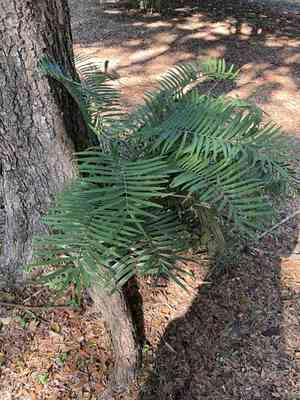
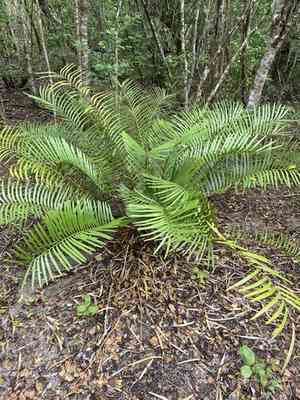
The Coontie (Zamia pumila) is often mistaken for a palm because of its palm-like leaves, though it is actually a small shrub. Despite its sensitivity to transplanting, once established, it becomes a hardy ornamental plant. It thrives in warm climates and is ideal for use as borders, small hedges, and even in containers.

Attributes of Coontie

Lifespan
Perennial
Plant Type
Shrub
Plant Height
30 cm to 91 cm
Spread
1.5 m
Leaf Color
Green
Flower Size
None, produces strobili (cones)
Flower Color
Red Brown

PlantJoy - Identify plants with a snap

Identify and diagnose plants, get toxicity alerts, and explore safety guides for all types of fungi.

Try for Free

Images of Coontie

Coontie(Zamia pumila)

Quickly Identify Coontie

1
Distinct evergreen foliage provides year-round visual interest.
2
Male cones cylindrical, female cones elongate-ovoid, displaying a reddish hue.
3
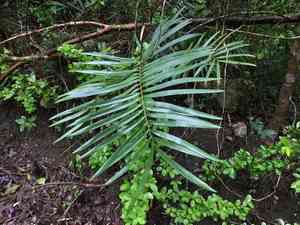
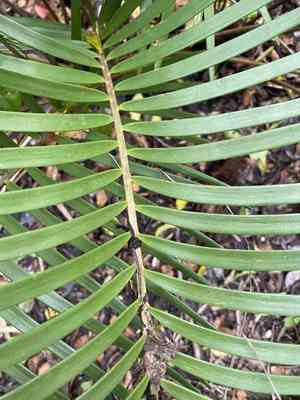
Pinnately compound leaves with feathery appearance, each leaflet lined with toothed margins.

Scientific Classification of Coontie

Phylum
Vascular plants
Class
Cycads
Order
Cycads
Family
Sago-palm
Genus
Cardboard palms
Species
Coontie

Planting and Growing of Coontie

Care Difficulty
Easy
Watering Schedule
Every 2 days
Sunlight Requirements
Partial sun
Sunshine Duration
4-8 hours
Ideal Temperature
65-75℉
Soil Type
Potting Mix, Peat Mix
Soil pH
6.5-7.5
Fertilizer Type
Balanced
Pruning Season
Spring, Summer
Pruning Area
Branches, Leaves
Pruning Frequency
2 times a year
Repotting Season
Spring
Pot Type
Plastic, Ceramic

water icon How to Water Coontie?

Each time you water Zamia pumila, ensure that you use approximately 250 milliliters. This amount should adequately moisten the soil without causing waterlogging. The soil should feel consistently damp but never overly saturated. It's best to water it until you see a small trickle coming out of the drainage holes at the bottom of the pot, signifying that the soil is thoroughly watered.
What are the symptoms of an underwatered Coontie?
What should I do if my Coontie is not getting enough water?
What are the symptoms of an overwatered Coontie?
How to save an overwatered Coontie?
More About Watering Techniques

sunlight icon What Are the Sunlight Requirements for Coontie?

Sunlight Requirements: Partial sun
Duration of light: 4-6 hours daily
Partial sun is ideal for Zamia pumila, allowing it exposure to such balanced lighting that facilitates efficient growth along with maintaining lush, vibrant foliage.
Why is specific lighting important for Zamia pumila?
How to achieve ideal lighting conditions for Zamia pumila?
Benefits of achieving ideal lighting conditions for Zamia pumila
More About Sunlight Requirements Techniques

temperature icon What Is the Ideal Temperature Range for Coontie?

Ideal Temperature: 65 ~ 75℉
Zamia pumila thrives best in temperatures ranging from 65°F to 75°F. This range allows for optimal photosynthesis, ensuring robust growth and healthy foliage. Maintaining this temperature consistently helps in avoiding stress-induced damage and promoting vibrant plant development.

soil icon What Soil is Best for Coontie?

Soil type: Sandy soil, Loam
Soil PH: 6.5 ~ 7.5
Zamia pumila thrives in soil that offers excellent drainage. Well-drained soil prevents waterlogging around the roots, which is crucial as excessive moisture can lead to root rot. This ensures the plant maintains healthy root systems, promoting vibrant foliage and robust growth. This plant requires rich organic matter within its soil. Nutrient-dense soils provide essential minerals that support Zamia pumila's growth, helping it to develop its signature lush and frond-like leaves. Fertile soil ensures strong, and healthy foliage. The roots of Zamia pumila need well-aerated soil. This allows for proper oxygen exchange, which is vital for root respiration and overall plant vigor. Soil that facilitates good air circulation enriches the plant's metabolic processes and enhances root health. More About Soil

fertilize icon How to Fertilize Coontie?

Fertilizer type: Balanced
Zamia pumila generally requires a modest amount of fertilizer. Typically, this plant benefits from about 1/4 cup of a balanced 10-10-10 NPK fertilizer per application. For liquid fertilizers, dilute them to half strength to ensure that the plant does not suffer from over-fertilization.

prune icon How to Prune Coontie?

Pruning Time: Spring, Summer
Start by examining your Zamia pumila for any dead, damaged, or yellowing fronds. These fronds can be safely removed to improve the plant's appearance and focus energy on healthy growth. When pruning fronds, cut them as close to the base as possible without damaging the stem. This prevents unsightly stubs and promotes better regrowth. To prevent the spread of disease, disinfect your pruning tools with alcohol or a bleach solution before and after each cut, especially if you suspect plant infection. More About Pruning Techniques

propagate icon How to Propagate Coontie plant?

Propagate Time: Spring, Early summer
1
Collect ripe seeds from the plant's cones. Rinse them under water to remove pulp and store them in a dry place until ready to sow.
2
Use a well-draining potting mix in seed trays or pots. Amend with sand or perlite to enhance drainage, essential for preventing seed rot.
3
Plant seeds at a depth twice their diameter. Keep the soil moist but not waterlogged during the germination period to avoid damping-off.
More About Propagating Techniques

repot icon How to Repot Coontie plant?

Repotting frequency: Every 2-3 years
1
Repotting Zamia pumila should be done when you notice roots coming out of the drainage holes or the growth seems stunted. This is usually an indication that the plant has outgrown its current pot and needs more space to thrive. It's best to do this during the active growing seasons of spring or summer.
2
Select a pot that is only slightly larger than the current one. The pot should have adequate drainage holes to prevent waterlogging, which can lead to root rot. An ideal pot allows room for growth while ensuring excess water drains away, which keeps the roots healthy and prevents rotting.
3
Opt for a well-draining sandy soil mix for Zamia pumila. A good mix allows air circulation and prevents water retention, reducing the risk of root rot. This loose soil structure helps roots to penetrate easily, facilitating healthy growth.
More About Repotting Techniques

PlantJoy - Identify plants with a snap

Find the best spots for them to optimize their health, simply using your phone.

Try for Free

Toxicity of Coontie

Is Coontie toxic to humans?

When ingested, coontie poses a risk to humans. Generally, the symptoms are of moderate severity, but in certain instances, they can escalate to severe levels, potentially becoming life-threatening. The plant's toxins, which may impact the central nervous system, are predominantly located in the roots and seeds. Consumption of the seeds can lead to symptoms such as vomiting, abdominal pain, bloody stools, diarrhea, extreme thirst, and bruising. In the most severe scenarios, liver failure or even death could ensue. Some individuals may consume the roots as a wild edible, without adequately preparing them or recognizing the presence of harmful toxins.

Is Coontie toxic to cat?

The leaves, seeds, and nuts of the coontie plant can inflict significant harm to a cat's liver upon consumption, and every part of the plant carries some level of toxicity. Signs of poisoning may manifest within a mere fifteen minutes following ingestion, including drooling, vomiting, diarrhea, and lethargy. If you believe your pet has consumed any component of this plant, it is crucial to seek veterinary care promptly.

Is Coontie toxic to dog?

Coonties are extremely harmful to dogs, and if you suspect your dog has consumed any portion of this plant, you must obtain prompt veterinary assistance. The seeds possess the greatest level of toxins, but toxicity is present throughout the entire plant. Consumption of coonties can lead to gastrointestinal disturbances such as vomiting and/or diarrhea, alongside symptoms like lethargy, anorexia, and intense thirst. Ingesting one or more seeds may lead to serious liver damage, coma, or even fatality.

Identify toxic plants for your safety

Learn which plants are harmful to you and your pets, and make informed choices for a safer home!

Try for Free
WARNING
The judgment on toxicity and danger is for reference only. We DO NOT GUARANTEE any accuracy of such judgment. Therefore, you SHALL NOT rely on such judgment. It is IMPORTANT TO SEEK PROFESSIONAL ADVICE in advance when necessary.
More About Toxic Techniques