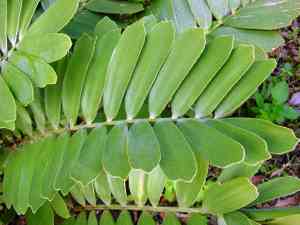
Cardboard palm (Zamia furfuracea)
Also known as: Mexican cycad, Cardboard sago
The Cardboard palm (Zamia furfuracea) is a cycad, not an actual palm, and dates back to the time of dinosaurs. When grown indoors, it thrives with moderate to bright indirect light. This plant is toxic, with its seeds being particularly hazardous, so it's important to keep it out of reach of pets.
Attributes of Cardboard palm
Images of Cardboard palm
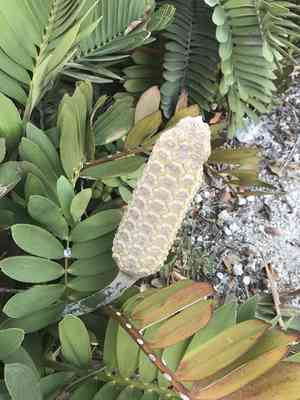
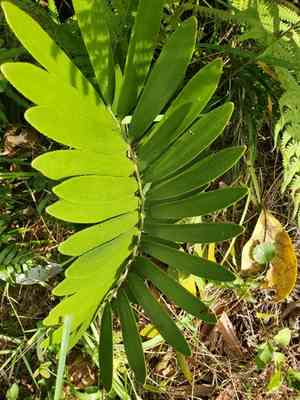
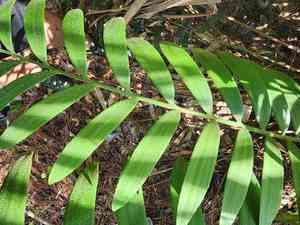
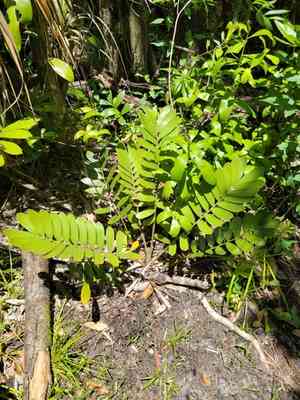
Quickly Identify Cardboard palm
Scientific Classification of Cardboard palm
Planting and Growing of Cardboard palm
 How to Water Cardboard palm?
 What Are the Sunlight Requirements for Cardboard palm?
 What Is the Ideal Temperature Range for Cardboard palm?
 What Soil is Best for Cardboard palm?
 How to Fertilize Cardboard palm?
 How to Prune Cardboard palm?
 How to Propagate Cardboard palm plant?
 How to Repot Cardboard palm plant?
Toxicity of Cardboard palm
Is Cardboard palm toxic to humans?
The most critical aspect to understand about the cardboard palm regarding its toxicity is that there is currently no known remedy for poisoning caused by it. It is vital to treat this plant with appropriate caution and ensure it is kept out of reach of small children and individuals who are vulnerable. In addition to inducing nausea, vomiting, and diarrhea as the body attempts to eliminate the toxic substances, those who ingest it may experience rapid dehydration, as well as damage to their kidneys and liver, potential paralysis, and ultimately, death. Young children are at an increased risk of consuming a fatal dose; every part of the plant is toxic, including its attractive red berries, which may entice children.
Is Cardboard palm toxic to cat?
The cardboard palm presents a significant toxicity hazard for cats. Every part of this plant is harmful and could cause poisoning if ingested by felines. Interaction with the cardboard palm may lead to signs of physical distress and require urgent veterinary attention. It is crucial for cat owners to restrict their pets' access to any portion of the cardboard palm and to swiftly seek medical assistance at a veterinary clinic in the event of ingestion.
Is Cardboard palm toxic to dog?
The cardboard palm presents a significant toxicity hazard for dogs. Ingesting any component of this plant can result in poisoning because of its elevated toxicity levels. Dogs may experience poisoning after consuming parts of the cardboard palm, including leaves, seeds, and roots. Poisoning symptoms in dogs can differ but may encompass vomiting, diarrhea, lethargy, abdominal discomfort, and more severe reactions like liver failure or seizures. Considering the gravity of these symptoms and the rapid deterioration that may ensue, it is vital for dog owners to promptly pursue veterinary assistance if they suspect their dog has eaten any part of the cardboard palm. Timely medical intervention is essential for effectively managing the consequences of this hazardous plant.



