
Schott's yucca (Yucca schottii)
Also known as: Mountain yucca, Schott's yucca
The Adam's Needle (Yucca filamentosa) is a naturally-occurring hybrid that has adapted well to various environments. Known for its resilience, this rosette-forming plant is popular as an ornamental. When in bloom, it sends up a tall stalk that showcases ivory flowers.
In This Article
Attributes of Schott's yucca
Lifespan
Perennial
Plant Type
Herb, Shrub
Plant Height
5 m
Spread
90 cm to 1.8 m
Leaf Color
Green Blue Gray
Flower Size
2-3 inches (5-7.5 cm)
Flower Color
White Cream
Images of Schott's yucca
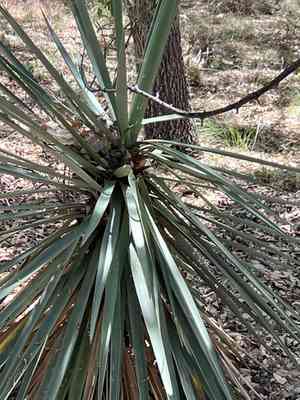
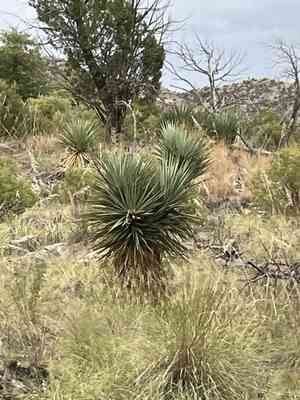
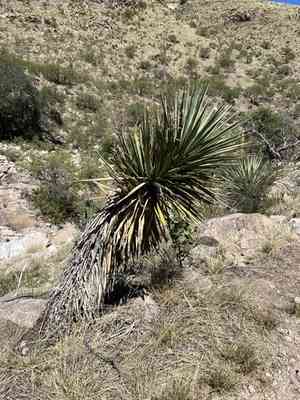
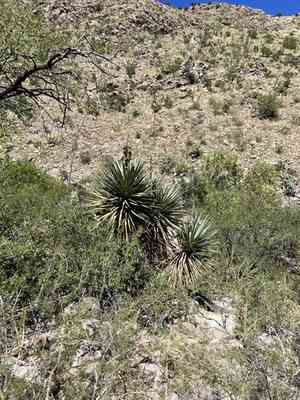
Quickly Identify Schott's yucca
1
Yucca schottii can be identified by its sword-shaped leaves, which are long, narrow, and stiff, with a bluish-green color. The plant typically produces tall flower spikes with clusters of creamy white flowers, especially from late spring to early summer.
Scientific Classification of Schott's yucca
Phylum
Vascular plants
Class
Monocotyledons
Order
Asparagales
Family
Asparagus
Genus
Yuccas
Species
Schott's yucca
Planting and Growing of Schott's yucca
Care Difficulty
Easy
Watering Schedule
Every 2 days
Sunlight Requirements
Full sun
Sunshine Duration
4-6 hours
Ideal Temperature
60-80℉
Soil Type
Potting Mix, Peat Mix
Soil pH
6.5-7.5
Fertilizer Type
Balanced
Pruning Season
Spring, Summer
Pruning Area
Branches, Leaves
Pruning Frequency
2 times a year
Repotting Season
Spring
Pot Type
Ceramic, Plastic
 How to Water Schott's yucca?
Yucca schottii prefers to be watered deeply but infrequently. Allow the water to soak the soil thoroughly until it drains from the bottom of the pot. Aim for about 500ml of water per session, ensuring the entire root system is nourished but not soggy.
What are the symptoms of an underwatered Schott's yucca?
›
What should I do if my Schott's yucca is not getting enough water?
›
What are the symptoms of an overwatered Schott's yucca?
›
How to save an overwatered Schott's yucca?
›
 What Are the Sunlight Requirements for Schott's yucca?
Yucca schottii benefits most from full sun to partial sun; this range promotes vigorous growth, rich leaf coloration, and overall plant health, optimizing photosynthesis while minimizing stress.
More About Sunlight Requirements Techniques→
How much sunlight does Yucca schottii need?
›
How to ensure Yucca schottii gets ideal sunlight?
›
What benefits does ideal sunlight provide to Yucca schottii?
›
 What Is the Ideal Temperature Range for Schott's yucca?
For Yucca schottii, the ideal temperature range is between 60°F to 80°F. These temperatures provide optimal conditions for growth and overall health. At these temperatures, the plant can efficiently perform photosynthesis and maintain its metabolic processes.
 What Soil is Best for Schott's yucca?
Yucca schottii thrives best in well-drained soil, which prevents root rot by ensuring excess water doesn’t linger around the plant's roots, promoting overall health and resilience. This plant is tolerant of nutrient-poor conditions, meaning it does not require rich, fertilized soil. It can adapt well, making it an ideal choice for areas with less fertile conditions. Yucca schottii prefers dry soils and can tolerate prolonged periods of drought. This characteristic helps in reducing the water needs of the plant, making it perfect for xeriscaping.
 How to Fertilize Schott's yucca?
For Yucca schottii, it is important to ensure that fertilization aligns with both its size and growth stage. Typically, you should apply a balanced 20-20-20 liquid fertilizer at half strength during the growing months. This means preparing a solution by diluting half the recommended dosage on the product packaging per gallon of water. Slow-release fertilizers should be used sparingly, applying a quarter cup per plant per application, ensuring the product is well mixed into the top layer of soil.
 How to Prune Schott's yucca?
Yucca schottii is a slow-growing plant, and over-pruning can stunt its growth or stress the plant. Always err on the side of caution and only trim back a third of the plant at most in any given pruning session. Always sanitize your pruning tools before and after use to prevent the spread of any potential infections. This can be done using a solution of water and mild bleach. Clean tools ensure cuts heal faster and reduce the risk of plant disease.
More About Pruning Techniques→
 How to Propagate Schott's yucca plant?
1
Harvest seeds from mature Yucca schottii plants when the seed pods have turned brown and dried. Carefully remove seeds from pods to avoid damaging them.
2
Select a healthy shoot and cut it at a 45-degree angle using sharp shears. Remove the lower leaves and let the cutting callous for a day before planting.
3
Carefully dig around the base of the Yucca schottii to access offshoots. Use a sharp spade to separate them, ensuring that each offshoot has roots attached.
 How to Repot Schott's yucca plant?
1
Yucca schottii signals its need for repotting when its roots begin to grow through drainage holes, or when it becomes top-heavy and unstable. Observing rapid drying of soil shortly after watering also indicates it's time for a new pot.
2
Select a pot that is about 1 to 2 inches wider than the current one. The pot should have ample drainage holes to prevent waterlogging. Using a slightly larger pot allows the roots to expand without overwhelming the plant with excess soil.
3
Opt for a well-draining cactus mix that allows quick water run-off. Such soil mimics the natural arid habitats of Yucca schottii, reducing the risk of root rot and ensuring the plant thrives in its new environment.
Learn More About Schott's yucca Diseases
Anthracnose
Bacterial Leaf Spot
Bacterial Soft Rot
Chemical Injury
Crown Gall
Cyst Nematode
Drought Stress
Fusarium Wilt
Gray Mold
Leaf Spot
Mosaic
Nutrient Deficiency
Nutrient Toxicity
Powdery Mildew
Root Rot
Root-knot Nematode
Rusts
Sooty Mold
Spider Mites
Temperature Stress
Thrips Damage
White Mold



