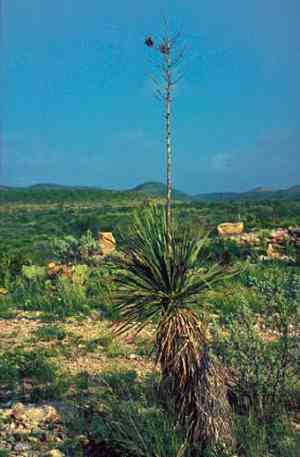
Buckley's yucca (Yucca constricta)
Also known as: Thinleaf Yucca, Buckley's Yucca
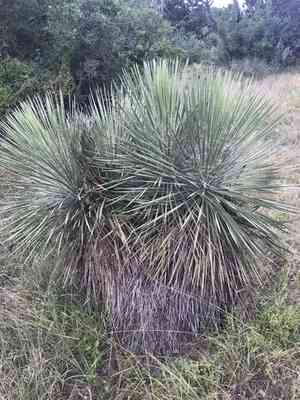
Yucca constricta typically grows without a visible stem and often forms clumps, spreading through trailing stems. The flowering stalks can grow up to 50 cm (about 20 inches) tall and bear hanging, greenish-white flowers. The fruit produced is a dry capsule containing shiny black seeds.
In This Article
Attributes of Buckley's yucca
Lifespan
Perennial
Plant Type
Succulent, Shrub
Plant Height
30 cm to 91 cm
Spread
Up to 3 feet (0.9 meters)
Leaf Color
Green with white margins
Flower Size
1 to 2 inches (2.5 to 5 cm)
Flower Color
White to cream
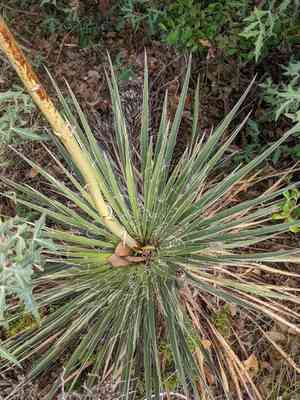
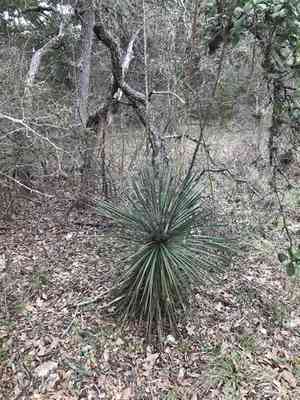
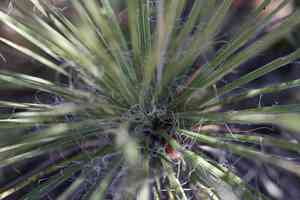
Images of Buckley's yucca
Quickly Identify Buckley's yucca
1
Yucca constricta can be identified by its narrow, long, and flexible leaves edged with white fibers, its tall flower spikes that produce clusters of white or cream-colored flowers, and its tendency to form dense clumps.
Scientific Classification of Buckley's yucca
Phylum
Vascular plants
Class
Monocotyledons
Order
Asparagales
Family
Asparagus
Genus
Yuccas
Species
Buckley's yucca
Planting and Growing of Buckley's yucca
Care Difficulty
Easy
Watering Schedule
Every 2 days
Sunlight Requirements
Full sun
Sunshine Duration
4-8 hours
Ideal Temperature
65-80℉
Soil Type
Potting Mix, Peat Mix
Soil pH
6.5-7.5
Fertilizer Type
Balanced
Pruning Season
Spring, Summer
Pruning Area
Branches, Leaves
Pruning Frequency
2 times a year
Repotting Season
Spring
Pot Type
Plastic, Ceramic
 How to Water Buckley's yucca?
Yucca constricta requires about 250 milliliters of water per session. The key principle is to imitate their natural arid habitat by allowing the soil to dry completely between waterings. Overwatering can lead to root rot, so it's essential to ensure proper drainage and avoid letting water sit in the pot. Always water the plant until you see excess water draining from the bottom of the pot.
What are the symptoms of an underwatered Buckley's yucca?
›
What should I do if my Buckley's yucca is not getting enough water?
›
What are the symptoms of an overwatered Buckley's yucca?
›
How to save an overwatered Buckley's yucca?
›
 What Are the Sunlight Requirements for Buckley's yucca?
Yucca constricta flourishes in full sunlight, requiring clear, direct exposure to receive the maximum benefits. Ideal lighting fortifies its growth, brightens foliage, and ensures its robust desert-like stature.
What is the ideal amount of sunlight for Yucca constricta?
›
How can I ensure my Yucca constricta gets ideal lighting?
›
What are the benefits of ideal lighting conditions for Yucca constricta?
›
 What Is the Ideal Temperature Range for Buckley's yucca?
The ideal temperature range for Yucca constricta is between 65°F and 80°F. This range ensures optimal growth and health, allowing the plant to photosynthesize effectively and maintain its metabolic processes without stress. Staying within these temperatures promotes vigorous growth and flowering.
 What Soil is Best for Buckley's yucca?
Yucca constricta thrives in well-drained soil, which prevents water from accumulating around the roots, thus avoiding root rot and promoting healthy growth. This type of soil replicates its natural habitat conditions, ensuring the plant remains sturdy and vibrant. While Yuccas are not overly demanding, having soil with moderate fertility supports sustained growth. Enough nutrients are critical for the plant to maintain its robust appearance and for new shoots to develop efficiently. A coarser soil texture, such as sandy soil, provides the aeration Yucca constricta requires. Good airflow through the soil promotes healthy root development and prevents fungal diseases, making the plant more resilient.
 How to Fertilize Buckley's yucca?
Yucca constricta requires a balanced approach to fertilization. During the growing season, it benefits from a half-strength liquid fertilizer diluted in water, ensuring not to saturate the roots. A gentle layer of slow-release fertilizer in spring stabilizes nutrient availability throughout the year.
 How to Prune Buckley's yucca?
Begin by inspecting the entire plant for any dead, damaged, or diseased leaves—these should be the first to be removed. Using a sharp pair of pruning shears, cut the leaves close to the base of the plant, taking care to make clean cuts to avoid tearing. For overgrown Yuccas, consider cutting back the stem to the desired height, cutting just above a leaf node. Ensure that each cut is made at an angle to help the plant shed water effectively and prevent disease.
More About Pruning Techniques→
 How to Propagate Buckley's yucca plant?
1
Select a healthy mother plant free from diseases and pests. This ensures that the cuttings or seeds are strong and more likely to succeed in propagation.
2
Use a sterilized knife to take a 4-6 inch cutting from the mother plant. Ensure there are several leaves on the cutting to support photosynthesis during root development.
3
Plant the cutting in well-draining potting soil, ensuring at least two nodes are buried. Keep the soil slightly moist until roots have developed satisfactorily.
 How to Repot Buckley's yucca plant?
1
Yucca constricta shows it's ready for repotting when its roots start emerging from the drainage holes or become overly crowded within the pot. This typically occurs every two to three years. If growth appears stunted and the potting mix deteriorates rapidly after watering, it’s also time to consider a move to a new container.
2
Select a pot that's only slightly larger than the current one, ideally, 1-2 inches wider. Opting for a pot with ample drainage holes prevents water from pooling, thereby reducing the risk of root rot. Terra-cotta or clay pots are preferable as they allow better air circulation, keeping the roots healthier.
3
For Yucca constricta's repotting, use a well-draining cactus mix. Such soil mimics their natural arid environment, ensuring minimum water retention, which is crucial to avoid root rot. The addition of perlite or sand further enhances drainage, allowing the plant to adjust seamlessly to its new home.
Learn More About Buckley's yucca Diseases
Anthracnose
Bacterial Leaf Spot
Bacterial Soft Rot
Bacterial Wilt
Black Spot
Chemical Injury
Crown Gall
Cyst Nematode
Damping-off
Drought Stress
Fusarium Wilt
Gray Mold
Leaf Curl
Leaf Spot
Mosaic
Nutrient Deficiency
Nutrient Toxicity
Powdery Mildew
Root Rot
Root-knot Nematode
Rusts
Sooty Mold
Spider Mites
Temperature Stress
Thrips Damage
White Mold



