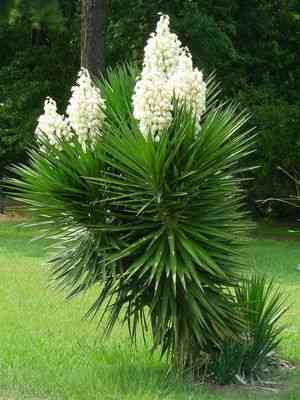
Aloe yucca (Yucca aloifolia)
Also known as: Spanish bayonet
Yucca filamentosa is a yucca species native to the southeastern United States and parts of Mexico, thriving in dry, sandy soils. Its flowers and fruit are edible, whether raw or cooked. The plant's leaves provide strong fibers suitable for making twine, and its roots can be used to produce soap.
In This Article
Attributes of Aloe yucca
Lifespan
Perennial
Plant Type
Shrub
Plant Height
1.5 m to 7 m
Spread
90 cm to 1.5 m
Leaf Color
Green
Flower Size
13 cm
Flower Color
White Purple
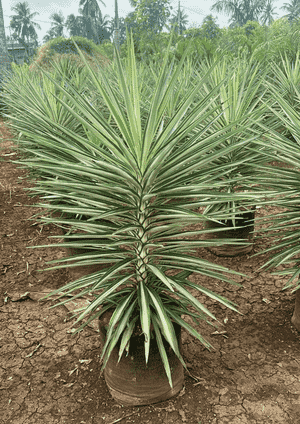
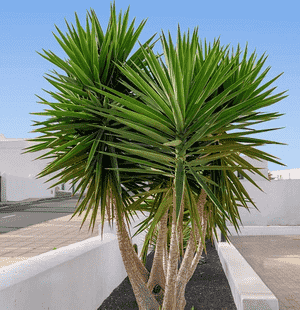
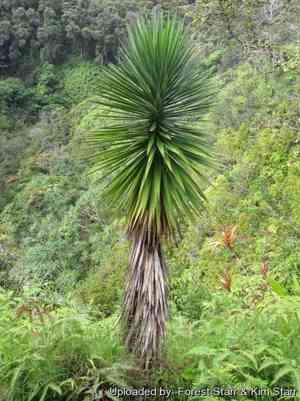
Images of Aloe yucca
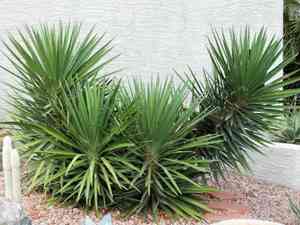
Quickly Identify Aloe yucca
1
Sword-shaped leaves lacking filaments, key for identification.
2
Bell-shaped white flowers in hanging clusters with slight purple tints.
3
Dry, brown capsules, 1-3 inches (2.5-7.6 cm) long.
4
Dark green, linear leaves with sharp terminal spine.
5
Thick, unbranched stems, 2-4 inches (5-10 cm) in diameter, storing water.
Scientific Classification of Aloe yucca
Phylum
Vascular plants
Class
Monocotyledons
Order
Asparagales
Family
Asparagus
Genus
Yuccas
Species
Aloe yucca
Planting and Growing of Aloe yucca
Care Difficulty
Easy
Watering Schedule
Every 2 days
Sunlight Requirements
Full sun
Sunshine Duration
4-10 hours
Ideal Temperature
65-75℉
Soil Type
Potting Mix, Peat Mix
Soil pH
6.5-7.5
Fertilizer Type
Balanced
Pruning Season
Spring, Summer
Pruning Area
Branches, Leaves
Pruning Frequency
2 times a year
Repotting Season
Spring
Pot Type
Terracotta, Plastic
 How to Water Aloe yucca?
Yucca aloifolia prefers its soil to dry out completely between waterings. A thorough soaking once every couple of weeks, allowing the water to drain completely, is ideal. Aim for 500 ml, ensuring excess water drains to avoid root rot.
More About Watering Techniques→
What are the symptoms of an underwatered Aloe yucca?
›
What should I do if my Aloe yucca is not getting enough water?
›
What are the symptoms of an overwatered Aloe yucca?
›
How to save an overwatered Aloe yucca?
›
 What Are the Sunlight Requirements for Aloe yucca?
Yucca aloifolia thrives best in full sun to partial sun conditions for 6-8 hours daily. Adequate light ensures hearty growth, vibrant foliage, and increases resistance to stress factors.
More About Sunlight Requirements Techniques→
Why does Yucca aloifolia need full sun?
›
What happens in partial sun conditions?
›
How can I ensure optimal light exposure for Yucca aloifolia?
›
 What Is the Ideal Temperature Range for Aloe yucca?
Yucca aloifolia thrives best in temperatures ranging from 65°F to 75°F. This range is optimal for the plant's metabolic processes, promoting healthy growth and resilient foliage. Anything below or above can stress the plant, leading to reduced vitality.
 What Soil is Best for Aloe yucca?
Yucca aloifolia thrives in well-draining soil, which prevents water from stagnating around the roots. This helps in reducing the risk of root rot, a common problem in less permeable soils, and ensures healthy plant growth. A loose and aerated soil texture allows oxygen to reach the roots efficiently. This promotes robust root development and enhances nutrient uptake, increasing the plant’s vitality and resilience against diseases. While Yucca aloifolia does not require extremely rich soil, a moderate level of nutrients will facilitate steady growth. This ensures that the plant has access to necessary nutrients without the risk of over-fertilization, which can harm the plant.
More About Soil→
 How to Fertilize Aloe yucca?
For Yucca aloifolia, apply a balanced liquid fertilizer diluted to half strength. Use approximately 1 tablespoon per gallon of water. Avoid over-fertilizing as it can damage the plant's roots.
More About Fertilizing Techniques→
 How to Prune Aloe yucca?
Ensure you have clean, sharp pruning shears. Clean tools help prevent disease transmission. Wear gloves to protect your hands from the plant’s sharp leaves and spines. Carefully identify and remove any dead or yellowing leaves at the base of the plant. This not only improves aesthetics but also allows the plant to redirect energy to new growth. Trim any leaves that are growing out of the plant's desired shape. This helps maintain an aesthetically pleasing form and prevents the plant from becoming too top-heavy. If the plant becomes too tall, consider cutting the trunk back to a manageable height. Cut just above a leaf node to encourage new growth. This drastic pruning can rejuvenate the plant.
More About Pruning Techniques→
 How to Propagate Aloe yucca plant?
1
Collect seeds from mature Yucca aloifolia pods. Clean them under running water to remove any pulp and prepare them for planting by drying them in sunlight for a day.
2
Select a healthy stem and cut a section about 6 inches long. Plant the cutting in a pot filled with well-draining soil, and ensure it is watered adequately and kept under indirect sunlight.
3
Identify and gently separate offshoots from the mother plant. Ensure each offshoot has a sufficient root system before planting them in individual pots or prepared ground.
 How to Repot Aloe yucca plant?
1
Yucca aloifolia needs repotting when you observe root circles become tight in the container. Another signal is when the plant shows stunted growth or roots emerging from the drainage holes. Ideally, repot during active growth in spring or early summer.
2
Select a pot that is slightly larger than the current one, ensuring it has ample drainage holes. A pot too large can hold excess moisture, leading to root rot. The new pot should allow room for future growth, promoting healthy development.
3
Opt for a well-draining cactus or succulent soil mix. This soil prevents waterlogging and ensures adequate aeration for the roots, mimicking the plant's native arid environment. This promotes healthy root growth and prevents root rot.
Toxicity
Ingestion
WARNING
The judgment on toxicity and danger is for reference only. We DO NOT GUARANTEE any accuracy of such judgment. Therefore, you SHALL NOT rely on such judgment. It is IMPORTANT TO SEEK PROFESSIONAL ADVICE in advance when necessary.



