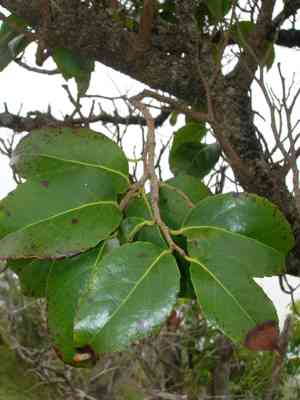
Xylosma (Xylosma) (Xylosma)
Also known as: Cherry Wood
The genus **Pittosporum** comprises roughly 100 species of evergreen shrubs and trees. These plants feature alternate, simple leaves that can be either entire or finely toothed. They produce small, yellowish flowers on racemes, which are often dioecious and emit a strong fragrance. The fruit is typically a small, purple-black berry containing 2 to 8 seeds. This genus is mainly found in tropical and subtropical regions, with two species occurring in the warm-temperate areas of eastern Asia.
In This Article
Attributes of Xylosma (Xylosma)
Lifespan
Perennial
Plant Height
3-10 meters
Spread
2-3 meters
Leaf Color
Green
Flower Size
0.5-1 cm
Flower Color
Yellowish Green
Images of Xylosma (Xylosma)
Quickly Identify Xylosma (Xylosma)
1
Xylosma can be identified by its glossy, serrated leaves, small yellowish flowers, and the presence of thorns in some species. The plants also have a bushy habit and can form dense thickets.
Scientific Classification of Xylosma (Xylosma)
Phylum
Tracheophyta
Class
Magnoliopsida
Order
Malpighiales
Family
Salicaceae
Genus
Xylosma
Planting and Growing of Xylosma (Xylosma)
Care Difficulty
Moderate
Watering Schedule
Every 2 days
Sunlight Requirements
Partial sun
Sunshine Duration
6-10 hours
Ideal Temperature
65-75℉
Soil Type
Potting Mix, Peat Mix
Soil pH
6.5-7.5
Fertilizer Type
Balanced
Pruning Season
Spring, Summer
Pruning Area
Branches, Leaves
Pruning Frequency
2 times a year
Repotting Season
Spring
Pot Type
Plastic, Terracotta
 How to Water Xylosma (Xylosma)?
Xylosma requires a thoughtful watering approach where the soil is drenched thoroughly until water drains out from the bottom of the pot. Maintain consistent moisture without waterlogging, ensuring each watering session provides approximately 500 ml per plant, depending on the pot size and soil condition.
What are the symptoms of an underwatered Xylosma (Xylosma)?
›
What should I do if my Xylosma (Xylosma) is not getting enough water?
›
What are the symptoms of an overwatered Xylosma (Xylosma)?
›
How to save an overwatered Xylosma (Xylosma)?
›
 What Are the Sunlight Requirements for Xylosma (Xylosma)?
Partial sun, ideally allowing Xylosma to bask in 4 to 6 hours of filtered sunlight daily, promotes lush growth and prevents excessive stress. This balanced light exposure fosters a healthy and vibrant plant ecosystem.
What is the best lighting condition for Xylosma?
›
How to ensure Xylosma receives ideal sunlight?
›
What benefits come from optimal lighting for Xylosma?
›
 What Is the Ideal Temperature Range for Xylosma (Xylosma)?
Xylosma thrives at temperatures between 65°F and 75°F. This range allows for optimal growth and development, as the plant's metabolic processes function best within these limits. Maintaining this temperature range encourages healthy foliage and overall vitality.
 What Soil is Best for Xylosma (Xylosma)?
Xylosma thrives in soil with good drainage. This prevents waterlogging, which can lead to root rot, affecting the plant's health adversely. Well-drained soil ensures that roots have access to adequate air, promoting healthy growth. Using soil enriched with organic matter, such as compost or well-rotted manure, can significantly benefit Xylosma. This enriches the soil with essential nutrients that facilitate optimal plant growth and vigor. The soil should retain consistent moisture without becoming overly saturated. Regularly watered loamy soil ensures that Xylosma remains hydrated, supporting strong foliage and promoting photosynthesis.
 How to Fertilize Xylosma (Xylosma)?
For Xylosma, apply a balanced liquid fertilizer at half the recommended strength. This ensures that the plant receives adequate nutrition without risking burn from excessive nutrients. Adjust according to plant size and growth rate.
 How to Prune Xylosma (Xylosma)?
Prune Xylosma to maintain a compact, appealing shape. Start by trimming back shoots that extend beyond the desired outline of the plant. This can be done lightly over the growing season, ensuring the shape remains attractive and tidy. For denser foliage, focus on thinning rather than topping. Selectively remove a few branches in crowded areas at their point of origin. This encourages new growth from the base, giving the plant a fuller, more lush appearance.
 How to Propagate Xylosma (Xylosma) plant?
1
Gather ripe seeds from Xylosma plants, ensuring they are mature for optimum germination rates. Soak them in water for 24 hours prior to planting to soften the seed coat.
2
Select semi-hardwood cuttings from healthy Xylosma plants. Cuttings should be approximately 6 inches long, with several nodes and healthy leaves. Trim off any excess foliage.
3
For layering, select a healthy, low-growing branch. Bury a section of it under the soil, ensuring the bark is slightly wounded to encourage rooting, then secure it with a pin or a stone.
 How to Repot Xylosma (Xylosma) plant?
1
You should consider repotting Xylosma when you notice roots growing out of the drainage holes or the soil is drying out much faster than usual. These signs indicate that the plant is becoming root-bound, and it's time to provide it with a larger pot to grow healthier.
2
Select a pot with adequate drainage holes, preferably one or two sizes larger than the current pot. This ensures that the roots have enough space to expand without overwhelming them, promoting robust growth and preventing waterlogging issues.
3
Opt for a well-draining humus-rich soil mix. This type of soil maintains a perfect balance of moisture and aeration, which is essential for Xylosma's roots to thrive. It reduces the risk of root rot and provides essential nutrients for the plant.

