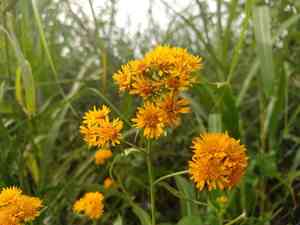
San pedro matchweed (Xanthocephalum gymnospermoides)
Also known as: Goldenweed
San Pedro matchweed thrives in dry, arid regions and showcases vibrant yellow flowers resembling daisies. Adapted to withstand harsh, sunny climates, its slender stems and tiny, scale-like leaves help reduce water loss. This hardy perennial flourishes even in nutrient-deficient, rocky soils, demonstrating remarkable resilience in challenging environments.
In This Article
Attributes of San pedro matchweed
Lifespan
Annual
Plant Type
Herb
Plant Height
30 cm to 91 cm
Spread
15-30 cm
Leaf Color
Green
Flower Size
1-2 cm
Flower Color
Yellow
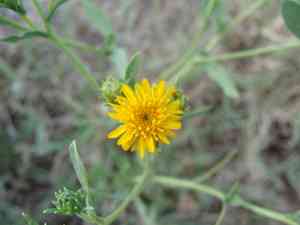
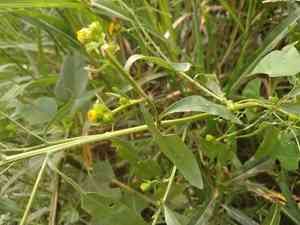
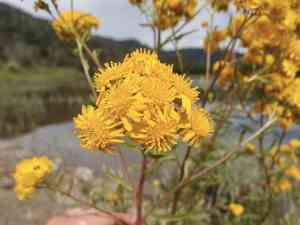
Images of San pedro matchweed
Quickly Identify San pedro matchweed
1
Look for the plant\'s yellow flower heads which typically bloom in late summer to early fall. The leaves are narrow, linear to lanceolate, and alternate along the stem. The plant typically grows to about 30-60 cm in height.
Scientific Classification of San pedro matchweed
Phylum
Vascular plants
Class
Dicotyledons
Order
Asterales
Family
Daisy
Genus
Xanthocephalum
Species
San pedro matchweed
Planting and Growing of San pedro matchweed
Care Difficulty
Hard
Watering Schedule
Every 2 days
Sunlight Requirements
Full sun
Sunshine Duration
6-10 hours
Ideal Temperature
60-75℉
Soil Type
Potting Mix, Peat Mix
Soil pH
6.5-7.5
Fertilizer Type
Balanced
Pruning Season
Spring, Summer
Pruning Area
Branches, Leaves
Pruning Frequency
Once a year
Repotting Season
Spring
Pot Type
Plastic, Ceramic
 How to Water San pedro matchweed?
When watering Xanthocephalum gymnospermoides, aim to thoroughly moisten the soil without causing waterlogging. Use about 300 ml of water per watering session, making sure that the water penetrates at least several inches of soil depth but does not leave the soil overly soggy or wet.
What are the symptoms of an underwatered San pedro matchweed?
›
What should I do if my San pedro matchweed is not getting enough water?
›
What are the symptoms of an overwatered San pedro matchweed?
›
How to save an overwatered San pedro matchweed?
›
 What Are the Sunlight Requirements for San pedro matchweed?
Xanthocephalum gymnospermoides thrives in full sun conditions with at least 6 to 8 hours of direct light. This optimal range aids in photosynthesis, supporting robust growth, flowering, and overall plant vitality.
What type of sunlight does Xanthocephalum gymnospermoides prefer?
›
How can I ensure my plant gets optimal light?
›
What are the benefits of ideal lighting for this plant?
›
 What Is the Ideal Temperature Range for San pedro matchweed?
The ideal temperature range for cultivating Xanthocephalum gymnospermoides is between 60°F and 75°F. This temperature range promotes healthy growth and optimal photosynthesis. Providing such stability mimics the plant's natural habitat, ensuring robust development.
 What Soil is Best for San pedro matchweed?
Xanthocephalum gymnospermoides thrives in well-draining soil to prevent root rot. Good drainage ensures aeration, which is crucial for healthy root development and nutrient absorption. This plant prefers a soil pH of 6.5 to 7.5, allowing essential nutrient availability. Maintaining this range helps in optimal growth and flowering. Soil with moderate fertility supports the balanced growth of Xanthocephalum gymnospermoides. Avoid overly rich soils, which can lead to excessive foliage production at the expense of flowers.
 How to Fertilize San pedro matchweed?
For Xanthocephalum gymnospermoides, optimal fertilization requires a balanced approach. Use a diluted liquid fertilizer to prevent overpowering the plant. Typically, apply a half-strength solution of an all-purpose liquid fertilizer, around 1/4 teaspoon per gallon of water, during the growing season.
 How to Prune San pedro matchweed?
Begin by removing any dead or diseased wood. Then, focus on cutting back any branches that negatively impact the plant's overall form, especially those crossing over each other. Prune the interior branches where necessary to enhance air circulation. Improved air flow reduces the likelihood of fungal infections, which is vital for plant health.
 How to Propagate San pedro matchweed plant?
1
Begin by collecting seeds from mature plants. Clean and dry them thoroughly before sowing. Use a well-draining seed starting mix and fill the seed trays to encourage optimal growth conditions.
2
Select a healthy, non-flowering stem from the parent plant and use pruning shears to make a clean cut below a node. Remove any lower leaves to reduce evaporation and place the cutting in a moisture-retentive substrate.
3
For both seeds and cuttings, ensure they are placed in an area with indirect sunlight and kept consistently moist. Avoid overwatering as this can cause root rot or fungus issues.
 How to Repot San pedro matchweed plant?
1
The ideal moment to repot Xanthocephalum gymnospermoides is when the plant shows signs of overgrowth. This might manifest as roots visibly growing through the drainage holes of its current container or the plant’s growth appearing stunted despite regular care. Generally, fulfill this need every two to three years as the environment demands.
2
Select a pot that is one size larger than the current one. The pot should have ample drainage holes at the bottom to prevent over-watering issues which could lead to root rot. Using a pot made of breathable material like clay will facilitate moisture retention balance, promoting healthy root development.
3
Opt for a well-draining sandy mix that mimics the plant's natural environment. This will allow excess water to escape easily and prevent root rot. Incorporating some perlite or gravel can further improve drainage, simulating a native habitat and encouraging robust growth.
Learn More About San pedro matchweed Diseases
Anthracnose
Bacterial Leaf Spot
Bacterial Wilt
Crown Gall
Cyst Nematode
Damping-off
Downy Mildew
Drought Stress
Fusarium Wilt
Gray Mold
Leaf Spot
Mosaic
Nutrient Deficiency
Nutrient Toxicity
Powdery Mildew
Root Rot
Root-knot Nematode
Rusts
Sooty Mold
Spider Mites
Temperature Stress
Thrips Damage
White Mold
Chemical Injury



