Narrowleaf Mule Ears(Wyethia angustifolia)

Narrowleaf Mule Ears (Wyethia angustifolia)

Also known as: Narrowleaf Mule's Ears

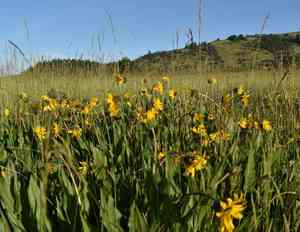
Narrowleaf Mule Ears (Wyethia angustifolia) is a perennial herbaceous plant native to western North America. It belongs to the sunflower family and typically grows up to 3 feet tall. Key features include:

- **Leaves**: Long and narrow, resembling the ears of a mule.
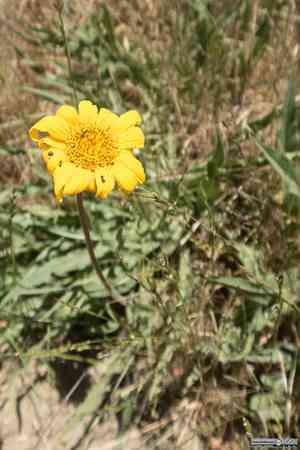
- **Flowers**: Bright yellow, daisy-like flowers with golden centers, blooming from late spring to early summer. These attract bees and butterflies.
- **Growth Habit**: Winter deciduous, meaning it sheds its leaves in winter.

Growing conditions:
- **Sunlight**: Requires full sun for optimal growth.
- **Soil**: Prefers well-drained soil, whether sandy or loamy.
- **Water**: Drought-tolerant once established, needing minimal watering.

Adapted to dry, temperate climates, Narrowleaf Mule Ears are ideal for low-maintenance gardens and natural settings.

Attributes of Narrowleaf Mule Ears

Lifespan
Perennial
Plant Type
Herb
Plant Height
46 cm to 61 cm
Spread
30 cm to 90 cm
Leaf Color
Green
Flower Size
4.5 cm
Flower Color
Yellow

ForwardPlant - Identify plants with a snap

Identify and diagnose plants, get toxicity alerts, and explore safety guides for all types of fungi.

Try for Free

Images of Narrowleaf Mule Ears

Narrowleaf Mule Ears(Wyethia angustifolia)

Quickly Identify Narrowleaf Mule Ears

1
Look for large, bright yellow flower heads that resemble sunflowers and long, narrow leaves that give the plant its common name. The leaves are typically lance-shaped and may appear somewhat rough or hairy.

Scientific Classification of Narrowleaf Mule Ears

Phylum
Vascular plants
Class
Dicotyledons
Order
Asterales
Family
Daisy
Genus
Mule's ears
Species
Narrowleaf Mule Ears

Planting and Growing of Narrowleaf Mule Ears

Care Difficulty
Easy
Watering Schedule
Every 4 days
Sunlight Requirements
Full sun
Sunshine Duration
6-10 hours
Ideal Temperature
60-75℉
Soil Type
Potting Mix, Peat Mix
Soil pH
6.5-7.5
Fertilizer Type
Balanced
Pruning Season
Spring, Summer
Pruning Area
Branches, Leaves
Pruning Frequency
2 times a year
Repotting Season
Spring
Pot Type
Plastic, Ceramic

water icon How to Water Narrowleaf Mule Ears?

For Wyethia angustifolia, aim to water the plant deeply but infrequently. Each watering session should ensure that the soil is soaked to a depth of several inches, fostering deep root development. The balance is crucial, so the soil should never stay soggy.
What are the symptoms of an underwatered Narrowleaf Mule Ears? ›
What should I do if my Narrowleaf Mule Ears is not getting enough water? ›
What are the symptoms of an overwatered Narrowleaf Mule Ears? ›
How to save an overwatered Narrowleaf Mule Ears? ›

sunlight icon What Are the Sunlight Requirements for Narrowleaf Mule Ears?

Sunlight Requirements: Full sun, Partial sun
Duration of light: 5-8 hours
The ideal lighting condition for Wyethia angustifolia is full to partial sun, providing the plant with enough energy to thrive, maintain health, and bloom successfully.
What is the best lighting for Wyethia angustifolia? ›
How to achieve ideal lighting for this plant? ›
What benefits does optimal lighting provide for Wyethia angustifolia? ›
More About Sunlight Requirements Techniques→

temperature icon What Is the Ideal Temperature Range for Narrowleaf Mule Ears?

Ideal Temperature: 60 ~ 75℉
The ideal temperature range for Wyethia angustifolia, commonly known as narrowleaf mule's ears, is between 60°F and 75°F. This range allows for optimal physiological processes such as photosynthesis and nutrient uptake, resulting in healthy growth and vibrant blooms. Maintaining temperatures within this range ensures that the plant's cellular structures remain stable, avoiding stress and promoting resilience.

soil icon What Soil is Best for Narrowleaf Mule Ears?

Soil type: Sandy loam, Loam
Soil PH: 6.5 ~ 7.5
Wyethia angustifolia thrives in soils with moderate nutrient levels. Rich in organic matter, these soils allow the plant to absorb essential minerals efficiently, promoting robust growth and vibrant foliage. This plant prefers well-drained soils that prevent waterlogging. Proper drainage ensures the roots receive adequate oxygen, reducing the risk of root rot and supporting healthy development. While well-drained, the soil should also retain enough moisture to sustain the plant during dry spells. Balancing drainage with moisture retention helps maintain consistent hydration and reduces stress on the plant.

fertilize icon How to Fertilize Narrowleaf Mule Ears?

Fertilizer type: Balanced
Wyethia angustifolia, commonly known as Narrowleaf Mule's Ears, thrives best with balanced nutrients. Use about one tablespoon of a balanced 10-10-10 liquid fertilizer per gallon of water every two weeks during the growing season. Be sure not to concentrate the solution heavily to avoid burning the roots.

prune icon How to Prune Narrowleaf Mule Ears?

Pruning Time: Spring, Summer
Start by removing any dead or damaged leaves and stems to prevent disease. Use sharp, clean pruning shears to make clean cuts just above a leaf node. Aim to cut back any overgrown parts to maintain the desired shape and size of the plant. To encourage bushier growth, selectively prune the taller stems to stimulate lateral branching. This not only enhances the plant's appearance but also increases its overall foliage density, which can lead to a more attractive display. More About Pruning Techniques→

propagate icon How to Propagate Narrowleaf Mule Ears plant?

Propagate Time: Spring, Early summer
1
Collect seeds when the plant’s seed heads are mature. This usually occurs late in the growing season. Ensure the seeds are completely dry before storage or planting to prevent mold.
2
Prepare a well-draining soil mix rich in organic matter. This will provide the necessary nutrients and help maintain moisture levels conducive for seed germination and division propagation.
3
Place the seeds on the soil surface and cover them lightly with a thin layer of soil. Mist the surface gently to ensure they are settled and start growing under optimal moisture conditions.
More About Propagating Techniques→

repot icon How to Repot Narrowleaf Mule Ears plant?

Repotting frequency: Every 2-3 years
1
Repot Wyethia angustifolia when you notice slower growth, roots emerging from drainage holes, or the plant becoming top-heavy. These signs indicate the plant has outgrown its current pot and requires more space for roots to develop.
2
Select a pot that is 1-2 inches larger in diameter than the current one, with drainage holes to allow excess water to escape. This prevents root rot and gives ample room for root expansion, promoting healthier growth.
3
Opt for a well-draining sandy loam soil mix, which mimics the plant's natural environment. This soil type prevents waterlogging, ensuring root health and supporting vigorous plant growth.

ForwardPlant - Identify plants with a snap

Find the best spots for them to optimize their health, simply using your phone.

Try for Free