Chinese wisteria(Wisteria sinensis)

Chinese wisteria (Wisteria sinensis)

Also known as: Wisteria

Chinese wisteria (Wisteria sinensis) is a popular ornamental vine in temperate areas, admired for its striking, hanging clusters of purple or blue flowers that emit a delightful, grape-like fragrance. While it makes a stunning addition to spring gardens, it's important to note that all parts of the plant are poisonous if ingested.

Attributes of Chinese wisteria

Lifespan
Perennial
Plant Type
Vine
Plant Height
3 m to 12 m
Spread
4 m
Leaf Color
Green
Flower Size
2 cm to 2.5 cm
Flower Color
Blue White Purple Violet Pink

PlantJoy - Identify plants with a snap

Identify and diagnose plants, get toxicity alerts, and explore safety guides for all types of fungi.

Try for Free

Images of Chinese wisteria

Chinese wisteria(Wisteria sinensis)

Quickly Identify Chinese wisteria

1
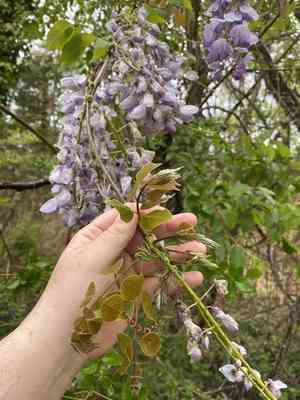
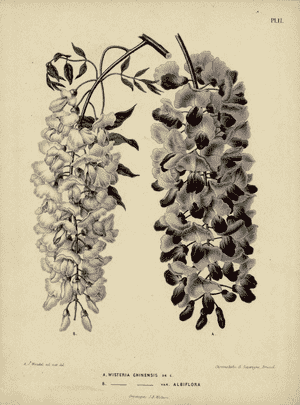
Cascading clusters of purple-blue pea-shaped flowers.
2
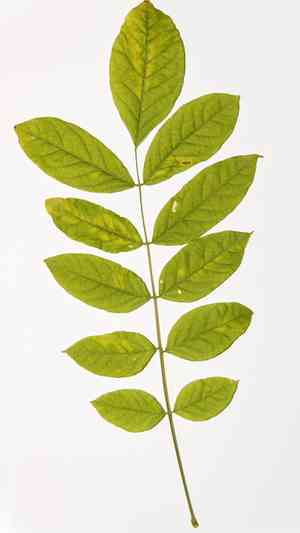
Compound, pinnate leaves with oval leaflets, reaching 1 foot (30 cm).
3
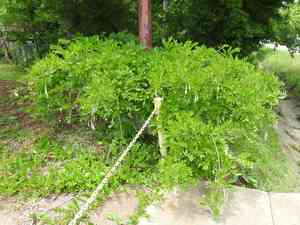
Woody twining stems that can grow up to 30 feet (9 meters).
4
Stunning 6-12 inch (15-30 cm) racemes of blue-violet flowers.
5
Elongated seed pods up to 6 inches (15 cm) in length, turning brown.

Scientific Classification of Chinese wisteria

Phylum
Vascular plants
Class
Dicotyledons
Order
Legumes, milkworts and allies
Family
Legume
Genus
Wisterias
Species
Chinese wisteria

Planting and Growing of Chinese wisteria

Care Difficulty
Easy
Watering Schedule
Every 4 days
Sunlight Requirements
Full sun
Sunshine Duration
6-10 hours
Ideal Temperature
60-75℉
Soil Type
Potting Mix, Peat Mix
Soil pH
6.5-7.5
Fertilizer Type
Balanced
Pruning Season
Spring, Summer
Pruning Area
Branches, Leaves
Pruning Frequency
Once a year
Repotting Season
Spring
Pot Type
Plastic, Ceramic

water icon How to Water Chinese wisteria?

Wisteria sinensis should be watered thoroughly, ensuring the soil is evenly moist but not waterlogged. It's essential to use around 1000 ml of water during each session. The aim is to have the water reach the root zone without leaving the soil soggy or drowning the roots, as proper drainage is essential for the plant's health.
What are the symptoms of an underwatered Chinese wisteria?
What should I do if my Chinese wisteria is not getting enough water?
What are the symptoms of an overwatered Chinese wisteria?
How to save an overwatered Chinese wisteria?
More About Watering Techniques

sunlight icon What Are the Sunlight Requirements for Chinese wisteria?

Sunlight Requirements: Full sun, Partial sun
Duration of light: 6 to 8 hours daily
Full sun exposure (6-8 hours) is ideal for bloom enhancement and plant vigor. Regular full sunlight accelerates flowering and supports robust plant health, promoting a spectacular floral display and strengthening the structural integrity of Wisteria sinensis.
What is the ideal lighting for Wisteria sinensis?
How to achieve the ideal light conditions?
What are the benefits of providing ideal light for Wisteria sinensis?
More About Sunlight Requirements Techniques

temperature icon What Is the Ideal Temperature Range for Chinese wisteria?

Ideal Temperature: 60 ~ 75℉
For Wisteria sinensis, the ideal temperature range for optimum growth falls between 60°F and 75°F. Within this range, the plant can thrive, producing lush foliage and abundant blooms. Consistent temperatures in this band will help in maintaining the health of the plant and promoting its flowering potential.

soil icon What Soil is Best for Chinese wisteria?

Soil type: Loam, Sandy loam
Soil PH: 6.5 ~ 7.5
Wisteria sinensis thrives in well-draining soil that prevents waterlogging. This type of soil ensures the roots receive adequate oxygen, preventing root rot and promoting healthy plant growth. The plant appreciates soil enriched with organic matter. Organic material, such as compost, enhances soil fertility, providing essential nutrients and improving moisture retention for robust wisteria growth. The ideal soil retains moisture yet stays aerated. This balance supports wisteria's growth by ensuring roots remain hydrated without being waterlogged, fostering a vibrant vine. More About Soil

fertilize icon How to Fertilize Chinese wisteria?

Fertilizer type: Balanced
Wisteria sinensis requires a balanced application of fertilizer. When using liquid feed, mix 10 ml of liquid fertilizer with 1 liter of water to cover the base of each plant. For solid fertilizers, use approximately 100 grams per square meter annually. Always ensure the soil is moist before applying fertilization to avoid root burn. More About Fertilizing Techniques

prune icon How to Prune Chinese wisteria?

Pruning Time: Spring, Summer, Winter
In early spring, inspect your Wisteria sinensis for any dead or weak stems. Trim these away and shape the plant by cutting back lateral shoots to allow room for new growth. This will promote a stronger framework and prepare the plant for an abundance of flowers. During summer, focus on controlling rampant growth by cutting back the long, whippy shoots. Trim these shoots back to six leaves to prevent the plant from overwhelming its surroundings and to channel energy into flower production rather than excessive foliage. In winter, prune the remaining summer shoots back further to around two or three buds. This sharp cutback helps in channeling energy into the buds closest to the main branches, resulting in a burst of blooms when spring arrives. More About Pruning Techniques

propagate icon How to Propagate Chinese wisteria plant?

Propagate Time: Spring,Late spring,Early spring
1
Use a mixture of potting soil and sand for drainage. Fill the propagation tray with this mix to allow roots to establish easily.
2
Select healthy, semi-hardwood stems. Cut sections around 6 to 8 inches long. Each cutting should have at least 3 leaf nodes.
3
Insert the cuttings into the prepared soil mixture. Leave at least one node above the soil surface. Water thoroughly but do not oversaturate.
More About Propagating Techniques

repot icon How to Repot Chinese wisteria plant?

Repotting frequency: Every 2-3 years
1
Wisteria sinensis should be repotted in early spring, before new growth starts. Indicators for repotting include roots emerging from the drainage holes, poor soil drainage, or a noticeable decrease in plant vigor and blooming.
2
Choose a pot that is slightly larger than the current one and has adequate drainage holes. A terracotta pot is ideal as it allows for better air exchange, thus preventing root rot and aiding in moisture regulation, which is beneficial for Wisteria's health.
3
Opt for a well-draining, nutrient-rich soil mix with a mix of loam, sand, and organic matter. This mixture ensures that excess water can drain easily, reducing the risk of root rot while providing essential nutrients for robust growth.

PlantJoy - Identify plants with a snap

Find the best spots for them to optimize their health, simply using your phone.

Try for Free

Toxicity of Chinese wisteria

Is Chinese wisteria toxic to humans?

Chinese wisteria is a hazardous plant that may trigger adverse reactions in humans upon contact or ingestion. The resulting symptoms can vary from mild to moderate in severity, though they can be severe and persist for several days. All components of the plant, particularly the seeds and pods, are poisonous due to the presence of glycosides. Ingesting these parts can lead to symptoms such as weakness, dizziness, a burning sensation in the mouth and throat, and abdominal pain; touching the plant may cause skin rashes. When handling this plant in your garden, it is advisable to wear gloves and prevent direct contact.

Is Chinese wisteria toxic to cat?

Chinese wisteria exhibits a moderate toxicity level for cats, presenting a possible risk if any plant parts are ingested. Consuming even small amounts of this plant can result in physical discomfort, making it important to monitor pets for any symptoms of illness after exposure. Should you suspect that your cat has interacted with Chinese wisteria, it is vital to obtain prompt veterinary assistance to secure the best possible outcome for your pet.

Is Chinese wisteria toxic to dog?

Chinese wisteria presents a moderate toxicity threat to dogs. Any part of the plant is toxic, meaning that canines are at risk of poisoning if they consume it. When dogs ingest portions of Chinese wisteria, they may show signs such as gastrointestinal distress, vomiting, diarrhea, or lethargy. It is vital for dog owners to vigilantly supervise their pets and restrict access to Chinese wisteria to prevent any accidental consumption. If poisoning is suspected, seeking prompt veterinary attention is crucial to safeguard the health of the affected dog.

Identify toxic plants for your safety

Learn which plants are harmful to you and your pets, and make informed choices for a safer home!

Try for Free
WARNING
The judgment on toxicity and danger is for reference only. We DO NOT GUARANTEE any accuracy of such judgment. Therefore, you SHALL NOT rely on such judgment. It is IMPORTANT TO SEEK PROFESSIONAL ADVICE in advance when necessary.
More About Toxic Techniques