
American wisteria (Wisteria frutescens)
Also known as: Texas wisteria
Consider planting the Clematis for a stunning addition to your trellis or fence. This climber showcases lush green leaves and elegant blue or lilac flowers, which are favorites of butterflies. Clematis requires regular watering, particularly in the summer, and will bring a touch of beauty and nature to your garden.
Attributes of American wisteria
Images of American wisteria
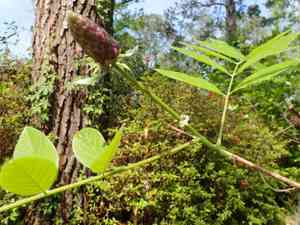
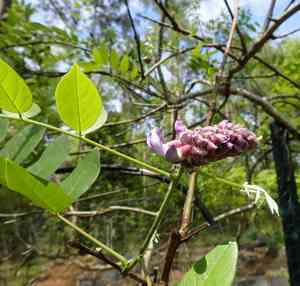
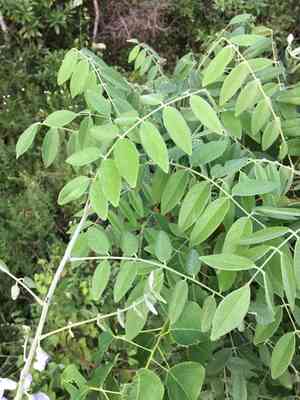
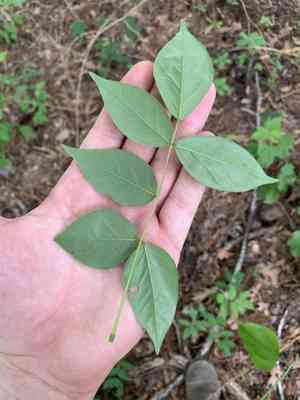
Quickly Identify American wisteria
Scientific Classification of American wisteria
Planting and Growing of American wisteria
 How to Water American wisteria?
 What Are the Sunlight Requirements for American wisteria?
 What Is the Ideal Temperature Range for American wisteria?
 What Soil is Best for American wisteria?
 How to Fertilize American wisteria?
 How to Prune American wisteria?
 How to Propagate American wisteria plant?
 How to Repot American wisteria plant?
Toxicity of American wisteria
Is American wisteria toxic to humans?
American wisteria is a plant known for its toxicity, which can lead to harmful reactions if consumed by humans. The symptoms typically range from mild to moderate and are caused by toxic compounds such as wisterin and lectin present in various parts of the plant. Every part of American wisteria is toxic, but the seeds along with their pods pose the greatest risk. Ingesting this plant can lead to symptoms including stomach upset, weakness, confusion, dizziness, a burning sensation in the mouth, diarrhea, and vomiting. Given that these ornamental plants are often cultivated in home gardens, there is a risk that children may be attracted to them and unknowingly consume dangerous parts of the plant.
Is American wisteria toxic to cat?
American wisteria exhibits a moderate toxicity level for cats, as every part of the plant presents a potential danger. If a cat consumes this plant, it may suffer from poisoning, resulting in various discomforting symptoms like gastrointestinal disturbances that could include vomiting or diarrhea. Given that cats are inherently curious animals, they might nibble on american wisteria, which underscores the importance of placing these plants beyond their reach. Should there be any concern that a cat has ingested american wisteria, it is vital to obtain prompt veterinary assistance to secure the best prognosis for the cat.
Is American wisteria toxic to dog?
The American wisteria presents a moderate level of toxicity risk to dogs. If canines ingest any component of this plant, they run the risk of poisoning, as every part is deemed toxic. Consumption of American wisteria can lead to symptoms in dogs such as gastrointestinal distress, vomiting, diarrhea, or signs of depression. Therefore, it is essential for pet owners to keep a close watch on their dogs and restrict their access to American wisteria to prevent any potential poisoning incidents. Should a dog display indications of poisoning from this plant, it is critical to seek prompt veterinary assistance to ensure the best possible recovery for the affected pet.



