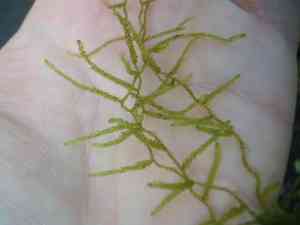
Weymouthia mollis (Weymouthia mollis)
Weymouthia mollis is a lush, evergreen fern with a velvety texture, featuring broadly triangular, cascading fronds that can grow up to 15 centimeters long. Its delicate appearance belies a hardy nature, thriving in moist, shady environments such as forest floors, which provide the high humidity and diffused light ideal for its growth.
In This Article
Attributes of Weymouthia mollis
Lifespan
Perennial
Plant Type
Moss
Plant Height
0.5-3 cm
Spread
Not applicable
Leaf Color
Light green
Flower Size
Not applicable
Flower Color
Not applicable
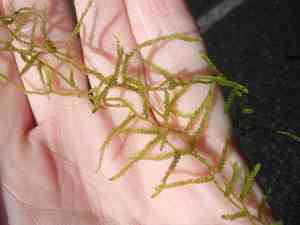
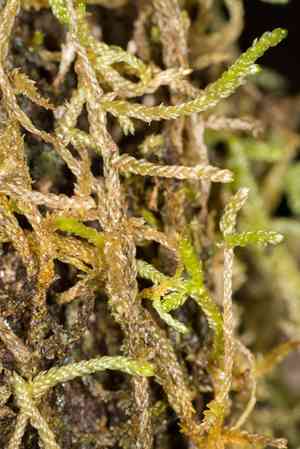
Images of Weymouthia mollis

Quickly Identify Weymouthia mollis
1
Weymouthia mollis can be identified by its soft, feathery texture, light green color, and the way it forms dense, cushiony mats on the surfaces it inhabits. The leaves are small and hook-shaped, giving it a distinctive look.
Scientific Classification of Weymouthia mollis
Phylum
Mosses
Class
True mosses
Order
Hypnales
Family
Meteoriaceae
Genus
Weymouthia
Species
Weymouthia mollis
Planting and Growing of Weymouthia mollis
Care Difficulty
Moderate
Watering Schedule
Every 3 days
Sunlight Requirements
Full shade
Sunshine Duration
4-8 hours
Ideal Temperature
50-68℉
Soil Type
Potting Mix, Peat Mix
Soil pH
6.5-7.5
Fertilizer Type
Balanced
Pruning Season
Spring, Summer
Pruning Area
Branches, Leaves
Pruning Frequency
2 times a year
Repotting Season
Spring
Pot Type
Plastic, Terracotta
 How to Water Weymouthia mollis?
Weymouthia mollis thrives with a watering amount that adequately moistens its soil but does not leave it soggy. You should aim for approximately 150 ml of water, ensuring it trickles through the soil to maintain an even moisture level without creating standing water.
What are the symptoms of an underwatered Weymouthia mollis?
›
What should I do if my Weymouthia mollis is not getting enough water?
›
What are the symptoms of an overwatered Weymouthia mollis?
›
How to save an overwatered Weymouthia mollis?
›
 What Are the Sunlight Requirements for Weymouthia mollis?
Weymouthia mollis flourishes in a mix of full shade and partial sun environments, which allows for balanced photosynthesis and growth without excessive stress on the plant.
What type of light does Weymouthia mollis prefer?
›
How can you achieve the ideal lighting for Weymouthia mollis?
›
What benefits arise from providing ideal light to Weymouthia mollis?
›
 What Is the Ideal Temperature Range for Weymouthia mollis?
The ideal temperature range for Weymouthia mollis is between 50°F and 68°F. This range provides the most conducive environment for photosynthesis and overall plant growth.
 What Soil is Best for Weymouthia mollis?
Weymouthia mollis thrives best in nutrient-rich soil, as it provides essential minerals that promote healthy growth and vibrant foliage. Ensuring soil is well-fertilized increases the plant's resilience and longevity. This plant requires well-drained conditions to prevent root rot. Consistently soggy soil can stifle roots and hinder oxygen flow, but well-drained soil ensures the roots receive adequate air and moisture balance. Incorporating organic matter into the soil boosts its ability to retain moisture and nutrients. Weymouthia mollis benefits from this added organic content with more robust growth and greater resistance to environmental stress.
 How to Fertilize Weymouthia mollis?
For Weymouthia mollis, the amount of fertilizer should be carefully controlled. Liquid fertilizers should be applied at a dilution rate of one-quarter of the recommended dose on the package. For slow-release fertilizers, use about 10 grams per plant, ensuring it is spread evenly across the soil surface to avoid overconcentration.
 How to Prune Weymouthia mollis?
Begin your pruning by removing any dead or damaged leaves. This will not only improve the appearance of the plant but also prevent disease spread. Use sharp, clean shears to make precise cuts. Aim to trim back excess growth that may be causing overcrowding. Cut back stems that are growing too long or in unwanted directions to maintain a tidy shape and allow light and air to reach the inner parts of the plant. Consider the natural shape of Weymouthia mollis and shape it to maintain its aesthetic property. This step requires a keen eye to enhance its overall form without over-pruning, which could stress the plant.
 How to Propagate Weymouthia mollis plant?
1
When propagating, it is essential to begin with a healthy parent plant. Choose a plant that shows no signs of disease or pest damage, ensuring the cutting will have the best chance to thrive and grow.
2
Cut segments of the plant, ideally around 4-6 inches long, ensuring each has several nodes. Remove leaves from the lower half to reduce water loss and encourage root development at the nodes.
3
Insert the cutting into a pot filled with a light, well-draining medium. Ensure that at least one node is below the surface as this is where roots will form. Water the cuttings to settle the soil.
 How to Repot Weymouthia mollis plant?
1
Look for signals like crowded roots peeking out through the drainage holes or the plant's growth slowing significantly. These are clear signs that it's time to repot. Repotting during the active growth periods in spring or autumn ensures the plant can adapt swiftly to its new environment.
2
Select a pot that is 1-2 inches larger in diameter than the current one to provide ample room for growth. Ensure it has sufficient drainage holes to prevent root rot. A pot with good drainage is crucial as it ensures the plant does not sit in water, promoting healthier root systems.
3
Opt for a well-draining acidic soil mix that mimics its natural habitat. This soil type supports root health and provides the necessary nutrients while allowing excess water to escape, preventing root rot, and ensuring the plant thrives.
Learn More About Weymouthia mollis Diseases
Anthracnose
Bacterial Leaf Spot
Black Spot
Chemical Injury
Damping-off
Downy Mildew
Drought Stress
Fusarium Wilt
Gray Mold
Leaf Curl
Leaf Spot
Mosaic
Nutrient Deficiency
Nutrient Toxicity
Powdery Mildew
Root Rot
Root-knot Nematode
Rusts
Sooty Mold
Spider Mites
Temperature Stress
Thrips Damage
White Mold

