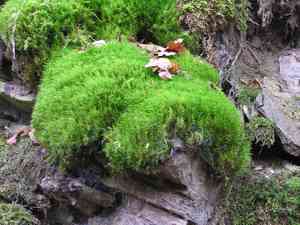
Controverial weissia moss (Weissia controversa)
Also known as: No common aliases
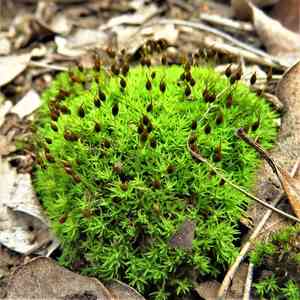
Weissia moss, a small, cushion-forming species, flourishes on calcareous substrates like limestone or chalk, and is commonly seen in rocky crevices and on stone walls. It is characterized by its tiny, lance-shaped green leaves and distinctive white, hair-like capsules that appear after rainfall. Preferring moist environments, this moss has a specialized structure to capture and retain water, which is crucial for its growth.
In This Article
Attributes of Controverial weissia moss
Lifespan
Annual
Plant Type
Moss
Plant Height
Typically up to 1cm tall
Spread
Forms dense mats rather than having a crown
Leaf Color
Green to yellow-green
Flower Size
Mosses do not produce flowers
Flower Color
Mosses do not produce flowers
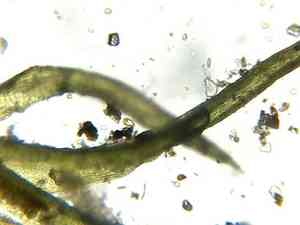
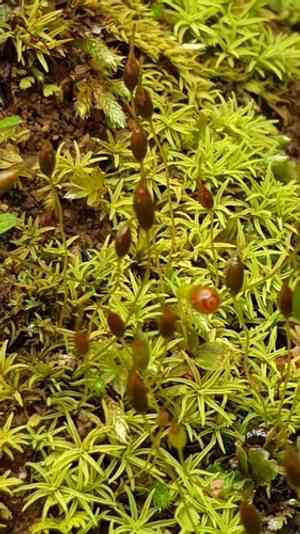
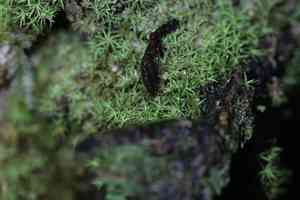
Images of Controverial weissia moss
Quickly Identify Controverial weissia moss
1
Weissia controversa can be identified by its small, tufted growth habit, and the presence of thin, straight leaves that are often slightly twisted when dry. The moss appears green to yellow-green and forms dense mats.
Scientific Classification of Controverial weissia moss
Phylum
Mosses
Class
True mosses
Order
Pottiales
Family
Pottiaceae
Genus
Weissia moss
Species
Controverial weissia moss
Planting and Growing of Controverial weissia moss
Care Difficulty
Moderate
Watering Schedule
Every 2 days
Sunlight Requirements
Partial sun
Sunshine Duration
6-10 hours
Ideal Temperature
50-68℉
Soil Type
Potting Mix, Peat Mix
Soil pH
6.5-7.5
Fertilizer Type
Balanced
Pruning Season
Spring, Summer
Pruning Area
Branches, Leaves
Pruning Frequency
2 times a year
Repotting Season
Spring
Pot Type
Plastic, Ceramic
 How to Water Controverial weissia moss?
For Weissia controversa, each watering session should deliver about 100 ml of water. This moss thrives on moderation, meaning it prefers to be consistently moist without being drenched. Water until the substrate feels slightly moist but not saturated.
What are the symptoms of an underwatered Controverial weissia moss?
›
What should I do if my Controverial weissia moss is not getting enough water?
›
What are the symptoms of an overwatered Controverial weissia moss?
›
How to save an overwatered Controverial weissia moss?
›
 What Are the Sunlight Requirements for Controverial weissia moss?
Partial sun or full shade is best, providing sufficient, but not overwhelming light for balance, promoting healthy, stable growth and minimizing stress-related issues.
What is the best lighting condition for Weissia controversa?
›
How can I ensure my plant gets the right lighting?
›
What are the benefits of ideal lighting for this plant?
›
 What Is the Ideal Temperature Range for Controverial weissia moss?
The ideal temperature range for Weissia controversa to thrive is between 50°F and 68°F. This range provides a suitable environment for its growth, promoting proper photosynthesis and nutrient absorption. When kept within these temperatures, the plant exhibits optimal health and vigor.
 What Soil is Best for Controverial weissia moss?
Weissia controversa thrives best in well-drained soil that prevents water from pooling around its roots, reducing the risk of root rot and promoting healthier growth. This plant requires soil with moderate nutrient levels to support its growth. Excess nutrients can lead to rapid growth but may weaken its structure. Adequate moisture retention in the soil is crucial for Weissia controversa, as it ensures a consistent supply of hydration without waterlogging.
 How to Fertilize Controverial weissia moss?
For Weissia controversa, apply liquid fertilizer at a diluted strength of 1/4 of the recommended dose. This ensures the bryophyte does not become overwhelmed by nutrients, as it is adapted to thrive in low-nutrient environments.
 How to Prune Controverial weissia moss?
To prune your Weissia controversa effectively, start by examining the plant for dead or damaged stems. Use a pair of clean, sharp scissors to cut these unwanted parts back to the base. Be careful to make clean cuts to avoid leaving jagged edges. This encourages the plant to channel energy into the healthy portions of growth.
 How to Propagate Controverial weissia moss plant?
1
Fill a seed tray with a well-draining growing medium. Make sure the soil is slightly moist before planting the seeds. This helps in providing a suitable environment for seed germination.
2
Scatter the Weissia controversa seeds thinly over the surface of the growing medium. Ensure they are not overcrowded to prevent damping off and to provide enough space for each seedling.
3
Place a humidity dome over the seed tray to retain moisture and place it in a location with indirect light. Keep the humidity dome on until germination occurs and seedlings appear.
 How to Repot Controverial weissia moss plant?
1
Weissia controversa should be repotted when you observe roots protruding from the drainage holes or when growth significantly slows down, indicating it may be root-bound. Spring and autumn are ideal seasons, as the plant is actively growing and can quickly adapt to a new environment. Repotting during these periods ensures that the plant can establish itself well before the dormant seasons.
2
Pick a pot that's slightly larger than the current one, with ample drainage holes to prevent water-logging. A clay pot is an excellent choice as it allows excess moisture to evaporate, protecting the delicate roots from rot. The size should provide enough room for growth without overwhelming the plant, ensuring both stability and optimal root development.
3
Opt for a well-draining substrate rich in organic matter, such as a mix of peat moss, perlite, and a small amount of sand. This combination mimics the plant's natural environment, providing both moisture retention and adequate aeration. Proper soil mix ensures healthy root growth and minimizes the risk of fungal infections.

