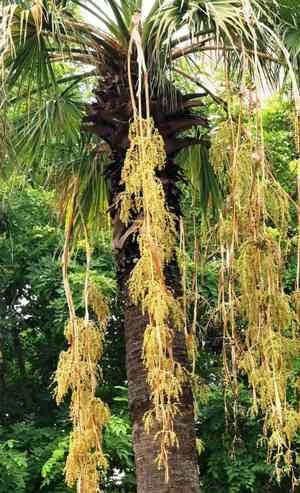
Washingtonia (Washingtonia) (Washingtonia)
Also known as: Desert Fan Palm, Cotton Palm, Petticoat Palm
Washingtonia is a small genus of fan-shaped palms named after George Washington. The trees produce edible fruit, which was historically consumed by Native Americans and also serves as a food source for birds, aiding in seed dispersal. Commonly, these palms are grown as ornamental trees.
In This Article
Attributes of Washingtonia (Washingtonia)
Lifespan
Perennial
Plant Height
20-30 meters
Spread
4-6 meters
Leaf Color
Green
Flower Size
Small, clustered
Flower Color
White to cream
Images of Washingtonia (Washingtonia)

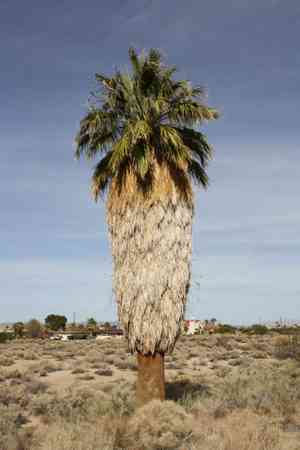
Quickly Identify Washingtonia (Washingtonia)
1
Identify Washingtonia palms by their tall, slender trunks that are often covered in dead leaves or \'petticoats.\' They have fan-shaped leaves with a long petiole.
Scientific Classification of Washingtonia (Washingtonia)
Phylum
Magnoliophyta
Class
Liliopsida
Order
Arecales
Family
Arecaceae
Genus
Washingtonia
Planting and Growing of Washingtonia (Washingtonia)
Care Difficulty
Easy
Watering Schedule
Every 2 days
Sunlight Requirements
Full sun
Sunshine Duration
4-8 hours
Ideal Temperature
70-85℉
Soil Type
Potting Mix, Peat Mix
Soil pH
6.5-7.5
Fertilizer Type
Balanced
Pruning Season
Spring, Summer
Pruning Area
Branches, Leaves
Pruning Frequency
2 times a year
Repotting Season
Spring
Pot Type
Terracotta, Plastic
 How to Water Washingtonia (Washingtonia)?
Washingtonia palms prefer deep watering, with about 600 ml each session. The key is ensuring the soil remains consistently moist but not waterlogged. Water until the soil feels evenly damp at a depth of about 2 inches. Allow excess water to drain completely.
What are the symptoms of an underwatered Washingtonia (Washingtonia)?
›
What should I do if my Washingtonia (Washingtonia) is not getting enough water?
›
What are the symptoms of an overwatered Washingtonia (Washingtonia)?
›
How to save an overwatered Washingtonia (Washingtonia)?
›
 What Are the Sunlight Requirements for Washingtonia (Washingtonia)?
Washingtonia flourishes under full sun to partial sunlight, with its ideal range being full exposure. This optimal light range promotes effective photosynthesis, resulting in energetic growth and lush foliage.
How much light does Washingtonia need?
›
What are the solutions for providing ideal light?
›
What benefits does ideal sunlight provide?
›
 What Is the Ideal Temperature Range for Washingtonia (Washingtonia)?
Washingtonia palms flourish in temperatures ranging from 70°F to 85°F. This range ensures optimal growth and metabolic activity, allowing for healthy leaf development and robust root systems. It also provides adequate conditions for photosynthesis, maximizing plant energy levels.
 What Soil is Best for Washingtonia (Washingtonia)?
Washingtonia requires well-drained soil to prevent root rot. Properly drained soil allows excess water to escape, ensuring the roots receive adequate oxygen and nutrients without drowning. This helps the plant maintain vigor and resist diseases. This plant thrives in soil enriched with essential nutrients. Incorporating organic matter like compost can enhance soil fertility, providing abundant nourishment for Washingtonia's growth and resilience. Aerated soil allows roots to breathe and expand healthily. Compacted soil can suffocate the roots, so occasional tilling or the application of soil conditioner keeps the soil loose and supportive for root development.
 How to Fertilize Washingtonia (Washingtonia)?
Washingtonia palm trees require a balanced fertilizer rich in essential nutrients like nitrogen, phosphorus, and potassium. The recommended rate is about 1 pound of nitrogen per 100 square feet annually. Ensure the fertilizer has a balanced N-P-K ratio such as 10-10-10, which complements the plant's nutrient requirements efficiently.
 How to Prune Washingtonia (Washingtonia)?
Begin by inspecting the Washingtonia palm for any dead, discolored, or damaged fronds. These are typically the ones hanging downward or appearing brown and desiccated. Identifying these fronds accurately prevents accidental removal of healthy, beneficial leaves. Position your pruning tool at the base of the unwanted frond, close to the trunk. Make a clean cut without tearing or peeling away the outer trunk layer. Aim for a smooth cut to prevent attracting pests or causing trunk injury that could lead to infection. After pruning, ensure all debris, fronds, and husks are cleaned up from around the base of the palm. This prevents pest infestations and helps maintain a tidy garden appearance. Consider composting or responsibly disposing of the waste as per local guidelines.
 How to Propagate Washingtonia (Washingtonia) plant?
1
Soak the Washingtonia seeds in warm water for 24 hours before sowing. This softens the seed coat, promoting faster germination by allowing moisture to penetrate more easily.
2
Scatter the soaked seeds evenly onto a tray filled with well-draining soil. Cover them with a thin layer of soil and gently pat it down. Ensure the soil stays consistently moist but never waterlogged.
3
Place the seed tray in a warm, bright location. Optimal temperatures for Washingtonia seed germination range between 70-85°F. Keep the soil moist and use a plastic cover to retain humidity if needed.
 How to Repot Washingtonia (Washingtonia) plant?
1
Repotting Washingtonia is necessary when the roots start to grow out of the drainage holes or the soil dries out too quickly. This usually happens every 2 to 3 years. Spring and summer are ideal seasons for repotting because the plant is in its active growth phase and can recover quickly from the disruption.
2
Choosing the right pot for your Washingtonia is crucial. Opt for a pot that is one size larger than the current one to accommodate growth. Ensure it has sufficient drainage holes to prevent waterlogging, which can lead to root rot. A heavier pot works best to anchor the tall palm and prevent it from toppling over.
3
For Washingtonia, selecting well-draining soil is essential. A mix containing sand, peat, and perlite ensures sufficient aeration and drainage. This type of soil prevents root rot and promotes healthy growth, allowing the roots to breathe and the plant to thrive.

