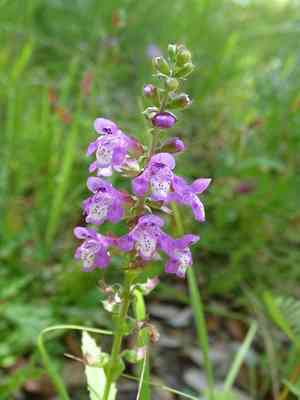
Prairie brazosmint (Warnockia scutellarioides)
Also known as: Coleus, Painted Nettle, Flame Nettle
Warnockia scutellarioides stands as the sole species within the genus Warnockia. It honors Barton Warnock, a 19th-century botanist from Texas. This plant, known as Prairie brazosmint, flourishes in Mexico and the south-central United States, offering crucial nourishment to native butterflies with its distinctive pink and purple flowers.
In This Article
Attributes of Prairie brazosmint
Lifespan
Annual
Plant Type
Herb
Plant Height
15 cm to 30 cm
Spread
1 to 3 feet
Leaf Color
Green, Red, Yellow, Pink, Variegated
Flower Size
8 mm to 9 mm
Flower Color
Purple
Images of Prairie brazosmint
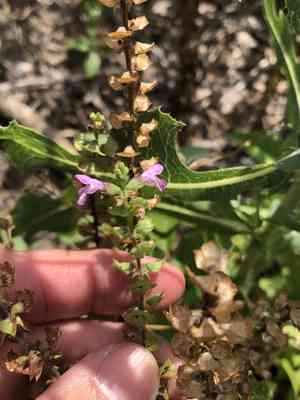
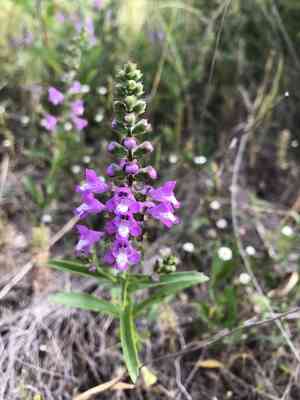
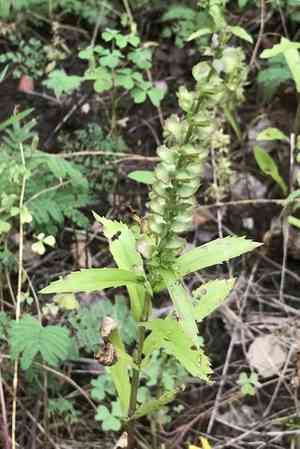
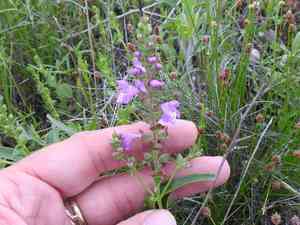
Quickly Identify Prairie brazosmint
1
Warnockia scutellarioides can be identified by its square stems, brightly colored leaves that are serrated or scalloped along the edges, and small blue to purple flowers that appear in spikes.
Scientific Classification of Prairie brazosmint
Phylum
Vascular plants
Class
Dicotyledons
Order
Lamiales
Family
Mint
Genus
Prairie Brazoria
Species
Prairie brazosmint
Planting and Growing of Prairie brazosmint
Care Difficulty
Easy
Watering Schedule
Every 3 days
Sunlight Requirements
Partial sun
Sunshine Duration
6-10 hours
Ideal Temperature
65-75℉
Soil Type
Potting Mix, Peat Mix
Soil pH
6.5-7.5
Fertilizer Type
Balanced
Pruning Season
Spring, Summer
Pruning Area
Branches, Leaves
Pruning Frequency
2 times a year
Repotting Season
Spring
Pot Type
Plastic, Ceramic
 How to Water Prairie brazosmint?
When watering Warnockia scutellarioides, aim to provide around 500 ml each time. The soil should remain consistently moist but not soggy, resembling a well-wrung-out sponge. Allow the top inch of soil to dry between waterings, ensuring the roots have time to breathe without becoming waterlogged.
What are the symptoms of an underwatered Prairie brazosmint?
›
What should I do if my Prairie brazosmint is not getting enough water?
›
What are the symptoms of an overwatered Prairie brazosmint?
›
How to save an overwatered Prairie brazosmint?
›
 What Are the Sunlight Requirements for Prairie brazosmint?
Warnockia scutellarioides benefits most from partial to full sun exposure. Ideally, it should bask in 6 to 8 hours of gentle morning sunlight, allowing it to thrive and maintain its striking foliage vibrancy while supporting its healthy growth.
What is the ideal exposure for Warnockia scutellarioides?
›
How can one create optimal lighting with varying weather conditions?
›
What benefits arise from providing ideal light conditions?
›
 What Is the Ideal Temperature Range for Prairie brazosmint?
The ideal temperature range for cultivating Warnockia scutellarioides is between 65°F and 75°F. These conditions mimic the plant’s natural habitat, promoting optimal growth and health. Consistent temperatures within this range support strong root development and robust foliage.
 What Soil is Best for Prairie brazosmint?
Warnockia scutellarioides thrives best in well-drained soil. It does not tolerate waterlogged conditions, as they can lead to root rot. Ensuring good drainage improves oxygen availability to the roots and promotes the overall health of the plant. This plant prefers soil with balanced fertility—neither too rich nor too poor. Adequate nutrients support robust growth and vibrant foliage, ensuring that Warnockia scutellarioides remains lush and healthy. Incorporating sandy soil into the mix helps enhance drainage and prevent compaction. This adaptation is particularly beneficial in heavy rain conditions, as it reduces the risk of waterlogging, protecting the roots and promoting plant vigor.
 How to Fertilize Prairie brazosmint?
For Warnockia scutellarioides, the appropriate fertilizer amount should be moderate, as over-fertilizing could harm its vibrant foliage. Typically, using half the recommended dosage on the fertilizer label is optimal. This amount provides enough nutrients without overwhelming the plant, ensuring that it receives the essentials for growth while maintaining its health and color.
 How to Prune Prairie brazosmint?
Begin by identifying dead or damaged leaves and stems, and use sharp scissors or pruning shears to cut at an angle, just above a leaf set. Trim back excessively long branches to maintain a bushy shape. Work gradually, taking your time to avoid over-pruning. Focus on choosing the stems that are the least healthy or are disrupting the plant’s desired shape. Remove only a small portion at first to encourage denser growth and to maintain the plant's natural beauty.
More About Pruning Techniques→
 How to Propagate Prairie brazosmint plant?
1
Choose healthy, non-flowering shoots from the parent plant. Ensure that the cutting is around 10 cm in length and has a few sets of leaves to support initial growth.
2
Collect mature seeds from the plant and store them in a dry, cool place. When ready, soak the seeds in water for 24 hours before planting to enhance germination.
3
Dip the base of the cuttings in rooting hormone and plant them into moist potting soil. Ensure that the soil covers at least one node, where new roots will emerge.
 How to Repot Prairie brazosmint plant?
1
Repot Warnockia scutellarioides when you notice roots growing out of the drainage holes, or the growth seems stunted despite adequate care. These signs indicate the plant has outgrown its pot and requires more space and nutrients. Ideally, repot during the growing seasons of spring or early summer to minimize stress.
2
Select a pot that is 1-2 inches larger in diameter than the current one. Ensure it has drainage holes to prevent waterlogging, which can lead to root rot. The pot material can affect the plant, with clay pots providing good breathability, while plastic pots retain moisture better, depending upon your environment's humidity.
3
Use a well-draining potting mix that retains some moisture but doesn't stay soggy. A mix of peat, perlite, and coarse sand makes an excellent medium for Warnockia scutellarioides, ensuring the roots get enough aeration and moisture without drowning.
Toxicity
Ingestion
WARNING
The judgment on toxicity and danger is for reference only. We DO NOT GUARANTEE any accuracy of such judgment. Therefore, you SHALL NOT rely on such judgment. It is IMPORTANT TO SEEK PROFESSIONAL ADVICE in advance when necessary.
Learn More About Prairie brazosmint Diseases
Bacterial Leaf Spot
Bacterial Soft Rot
Bacterial Wilt
Crown Gall
Cyst Nematode
Damping-off
Downy Mildew
Drought Stress
Fusarium Wilt
Gray Mold
Leaf Spot
Mosaic
Nutrient Deficiency
Nutrient Toxicity
Powdery Mildew
Root Rot
Root-knot Nematode
Rusts
Sooty Mold
Spider Mites
Temperature Stress
Thrips Damage
White Mold



